
Pruning
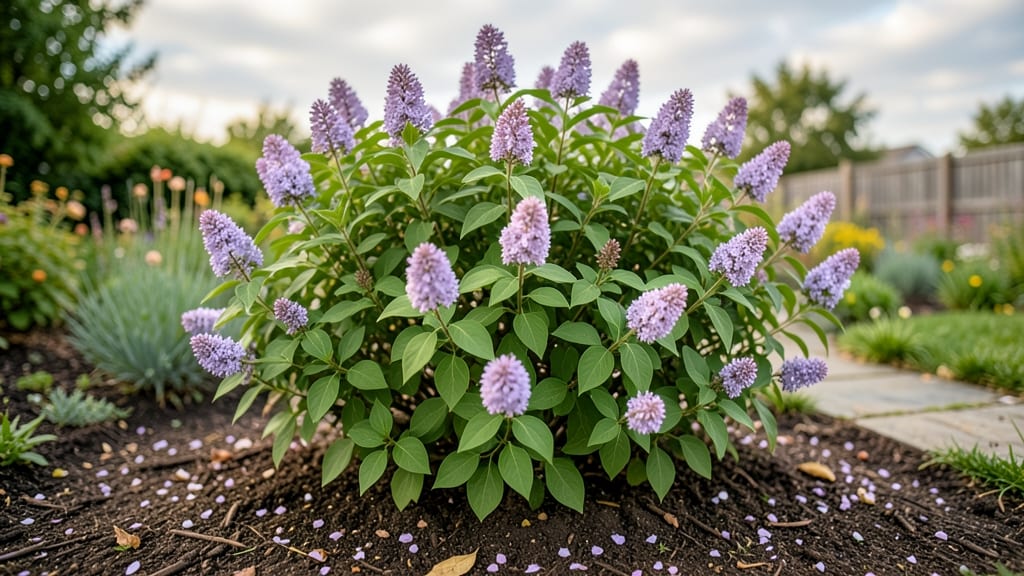
A dwarf lilac tree packs all that intoxicating fragrance into a space no bigger than a patio chair. 🌿 These compact shrubs—like 'Little Lila' or 'Mariesii'—grow just 3-6 feet tall, making them perfect for small yards, containers, or even urban balconies where standard lilacs would overwhelm.
The secret lies in their genetics: slower growth rates and naturally dense branching mean you get years of blooms without the sprawl.
Plant them in well-draining soil with morning sun and afternoon shade—critical for preventing heat stress in their smaller leaves. Space them 3-5 feet apart to allow airflow, which cuts back on fungal diseases that plague lilacs.
I’ve found that mulching with 2-3 inches of organic matter keeps roots cool and retains moisture, reducing the watering frequency from daily to just twice a week once established.
Pruning is where dwarf lilacs shine: you can shape them aggressively without sacrificing next year’s blooms. Cut back spent flowers in early summer, then do a light trim in late winter to maintain their tidy form.
The payoff? A shrub that stays neat, fragrant, and manageable for decades—no ladder required. Even my neighbor’s skeptical "too small to matter" comment changed after she smelled her first whiff of blooms.
Watch for lace bugs and powdery mildew, which love lilacs but can be deterred with neem oil sprays. With the right care, these little powerhouses reward you with prolonged blooming seasons and a garden that smells like spring, no matter how tight the space.
Ready to reclaim that corner of your yard?
📚 In This Guide
- What you need
- Instructions
- Tips and common mistakes
- Wrapping up and next steps
What you need
- ● Dwarf Lilac Tree: Choose a variety like 'Little Leaf', 'Munstead Dwarf', or 'Tinkerbell' (3–5 ft mature height). Purchase from a reputable nursery.
- ● Well-Draining Soil: 2–3 cubic yards of a mix of garden soil, compost, and perlite (ratio: 60% soil, 30% compost, 10% perlite).
- ● Organic Fertilizer: 5–10 lbs of slow-release 10-10-10 fertilizer or a balanced organic option (e.g., fish emulsion).
- ● Mulch: 2–3 bags of wood chips or shredded bark (for moisture retention and weed control).
- ● Garden Shovel & Trowel: For planting and soil prep.
- ● Pruning Shears: Bypass pruners (sharp, 5–7 inch blades) for shaping and maintenance.
- ● Gloves: Heavy-duty gardening gloves (to protect from thorns and sap).
- ● Watering Can or Hose: With a gentle spray nozzle for post-planting hydration.
- ● Measuring Tape: To ensure proper spacing (3–5 ft between dwarf lilacs).
- ● Soil pH Tester: Lilacs thrive in slightly alkaline soil (pH 6.5–7.5). Adjust with lime if needed.
- ● Tree Stake & Ties: For young saplings in windy areas.
- ● Slow-Release Watering System: Drip irrigation or soaker hoses for consistent moisture.
- ○ Pruning Sealant: To coat cuts and prevent disease (optional but recommended for larger cuts).
How to select and care for dwarf lilac varieties in small gardens
Dwarf lilacs bring that classic fragrance to tight spaces—here’s how to pick the right type and keep it thriving.
🌱 Step 1: Choose the Right Dwarf Lilac Variety
Start by picking a cultivar suited to your space and climate. Dwarf lilacs typically mature between 3-6 feet tall, making them perfect for small yards, containers, or foundation plantings. Popular choices include 'Miss Kim' (compact, dark purple blooms) or 'Little Lila' (reliable, early bloomer). Check your hardiness zone—most dwarf lilacs thrive in zones 3-8 but need winter protection in colder regions.
Here's the thing—avoid overcrowding. Even dwarf varieties need 3-4 feet of space to breathe. If planting near a wall or fence, leave 18-24 inches of clearance for airflow. I always sketch a rough layout first to visualize how the lilac will fit into the overall design without competing with other plants.
☀️ Step 2: Plant in the Right Spot with Full Sun
Dwarf lilacs demand 6-8 hours of direct sunlight daily for strong blooms. A south- or west-facing location works best, but avoid scorching afternoon sun in hot climates. If your yard has limited sun, choose 'Little Lila'—it tolerates partial shade better than most dwarf varieties.
Dig a hole twice as wide as the root ball but no deeper. The top of the root flare (where roots meet trunk) should sit 1-2 inches above ground level. This prevents water from pooling around the base, which can rot roots. Amend the native soil with compost if it’s heavy clay or sandy—dwarf lilacs prefer well-draining, slightly acidic soil (pH 6.0-7.0).
💧 Step 3: Water Deeply After Planting and During Drought
Water the lilac deeply right after planting to settle the soil and eliminate air pockets. Aim for 1-2 gallons of water, enough to moisten the root zone to 12 inches deep. You’ll know it’s right when water drains out the bottom of the hole. After that, water once a week unless rainfall provides 1 inch—dwarf lilacs are drought-tolerant once established but need consistent moisture the first year.
Don’t let the soil dry out completely, though. Wilting leaves or crispy edges signal thirst. Mulch around the base with 2-3 inches of organic mulch (like shredded bark) to retain moisture and regulate soil temperature. Keep mulch 6 inches away from the trunk to prevent rot.
✂️ Step 4: Prune After Blooming for Compact Shape
The best time to prune is right after flowering, typically in late spring or early summer. Remove 1/3 of the oldest stems at the base to encourage new growth and improve airflow. Cut just above a bud or leaf node—never leave stubs. For shaping, trim back any leggy branches to maintain a rounded form, but avoid heavy pruning unless reviving an overgrown lilac.
Real talk: Dwarf lilacs bloom on old wood, so pruning too late (after summer) risks cutting off next year’s flowers. If you miss the window, just focus on removing dead or crossing branches. I always sanitize my pruners with rubbing alcohol between cuts to prevent disease spread.
⏰ Step 5: Fertilize Lightly and Monitor for Pests
Feed dwarf lilacs once in early spring with a balanced, slow-release fertilizer (10-10-10). Use 1/4 cup per plant—too much fertilizer promotes leafy growth at the expense of flowers. Water thoroughly after applying to prevent root burn. Skip fertilizer in fall or winter, as lilacs enter dormancy and don’t need extra nutrients.
Watch for common pests like aphids or lilac borers. Aphids cluster on new growth and leave sticky residue; blast them off with a strong spray of water. For borers, remove infested branches and treat with neem oil in early spring. Healthy dwarf lilacs rarely struggle with pests, but stress (like overwatering or poor soil) invites problems.
Tips & tricks for perfect compact lilac growth
Here's what nobody tells you about keeping your dwarf lilacs thriving in tight spaces.
Variety Matters: When selecting your dwarf lilac, consider bloom time and fragrance intensity. 'Miss Kim' produces dark purple blooms with a strong scent, while 'Little Lila' offers early blooms and better shade tolerance. I always check the plant tag for height at maturity—some labeled "dwarf" varieties can still reach 6 feet if given too much space. The key is matching the cultivar to both your garden's light conditions and your personal fragrance preferences.
Soil Preparation Secret: Before planting, mix compost directly into the native soil for the first 12 inches of the planting hole. Dwarf lilacs prefer slightly acidic soil (pH 6.0-7.0), so test your soil if your area has alkaline conditions. I've seen dramatic improvements in plant health by amending the soil—especially in clay-heavy areas where drainage becomes an issue. This single step often makes the difference between a struggling plant and one that thrives from day one.
Watering Wisdom: The 1-2 gallons of water immediately after planting is crucial for settling the soil and eliminating air pockets around the roots. For the first year, I set up a simple drip irrigation system on a timer for 10 minutes daily—this ensures consistent moisture without overwatering. The 6-inch mulch barrier around the trunk helps maintain even soil moisture while preventing rot at the base. Remember that dwarf lilacs are drought-tolerant once established, but their first year is critical for root development.
Pruning Precision: When pruning in late spring, focus on removing 1/3 of the oldest stems at the base first—this encourages new growth from the center. I always make my cuts just above a bud or leaf node using sharp, sanitized pruners. For shaping, trim back any leggy branches that disrupt the plant's natural rounded form. The key is to avoid heavy pruning unless you're reviving an overgrown specimen, as this can reduce next year's blooms since lilacs flower on old wood.
Pro Tips for Lilac Tree Dwarf
- Here's what nobody tells you about keeping your dwarf lilacs thriving in tight spaces.
- Variety Matters: When selecting your dwarf lilac, consider bloom time and fragrance intensity. 'Miss Kim' produces da...
- Soil Preparation Secret: Before planting, mix compost directly into the native soil for the first 12 inches of the pl...
Frequently asked questions
Got questions about dwarf lilac trees?
Here are answers to the most common ones—from planting to pruning—so you can enjoy these fragrant beauties without the bulk!
What’s the best time to plant a dwarf lilac tree?
Plant your dwarf lilac in early spring or fall when the soil is workable but not frozen. Avoid summer heat or winter cold, which can stress young roots. Choose a spot with full sun (6+ hours/day) and well-draining soil for optimal growth.
How small do dwarf lilac trees really get?
While labeled as "dwarf," sizes vary! Most stay 3–6 feet tall and wide, but some varieties like ‘Munstead’ or ‘Little Lila’ max out at 2–3 feet. Always check the specific cultivar’s tag—some may grow taller over time.
Do dwarf lilacs need pruning? If so, when?
Yes! Prune right after flowering (late spring) to shape the tree and encourage bushier growth. Avoid heavy cuts—focus on removing dead wood, crossing branches, or overgrowth. Never prune in fall or winter, as it removes next year’s blooms.
Can I grow a dwarf lilac in a container?
Many dwarf varieties thrive in large pots (15+ gallons) with drainage holes. Use a balanced fertilizer in spring and water consistently (but avoid soggy soil). Just move the pot to a sheltered spot in winter if temperatures dip below **10°F (-12°C).
What pests or diseases should I watch for?
Dwarf lilacs are hardy, but keep an eye out for:
- Aphids (sap-sucking bugs)—spray with water or neem oil.
- Powdery mildew (white fungus)—improve airflow and avoid overhead watering.
- Borers (rare)—prune infected branches immediately and treat with insecticide.
Wrapping up and next steps
Growing a lilac tree dwarf variety is a fantastic way to enjoy fragrant blooms without sacrificing space! These compact beauties bring color and charm to even the smallest gardens, and with the right care—like proper pruning and placement—they’ll thrive for years.
Whether you’re a seasoned gardener or just starting, these varieties prove that big beauty comes in small packages. 🌸
Ready to transform your garden? Start by choosing the perfect dwarf lilac for your space, then roll up your sleeves and give it the love it deserves. Before you know it, you’ll be surrounded by intoxicating blooms and compliments from neighbors! Plant one today—your garden (and senses) will thank you.