
Trees
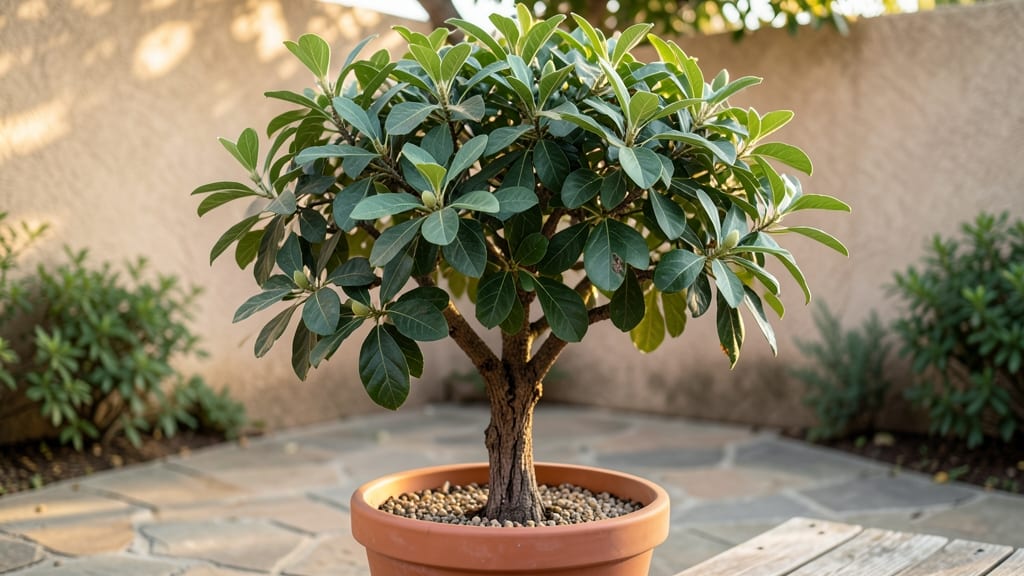
Cold hardy avocado trees in Zone 7 thrive best when planted in sheltered microclimates, using frost blankets, and selecting cold-tolerant varieties like ‘Mexicola’ or ‘Wurtz,’ which can survive brief dips below 20°F with proper care.
Growing avocados in Zone 7 is absolutely possible when you focus on the right varieties and strategic planting. 🌱 The key is leveraging natural warmth pockets—think south-facing walls or urban heat islands—where temperatures stay slightly higher.
I've seen ‘Mexicola’ trees produce fruit even in mild winters, thanks to their thick leaves that insulate the tree. Container growing also works well, letting you move plants indoors during cold snaps or into a garage when temperatures drop below 20°F.
What sets these hardy varieties apart is their ability to tolerate short cold snaps better than traditional avocados. The secret lies in their genetic makeup, which allows them to slow metabolic processes during cold periods.
This adaptation, combined with protective measures like mulching and frost cloth, gives you a fighting chance to grow avocados successfully in colder climates.
For best results, plant in well-draining soil and water consistently during the growing season. The right location and variety can make all the difference between a struggling plant and a thriving tree that rewards you with fruit year after year.
💡 In This Article
- How Cold Hardy Avocado Trees Survive Zone 7 Winters
- Zone 7 Avocado Varieties and Planting Strategies
How cold hardy avocado trees survive Zone 7 winters
Cold-tolerant avocado varieties like 'Mexicola' and 'Wurtz' have evolved physiological adaptations that let them endure brief cold snaps. Their thick, waxy leaves act as natural insulation, reducing water loss and protecting delicate tissues when temperatures drop.
These varieties also produce a type of antifreeze protein in their cells—similar to what you'd find in cold-hardy citrus—that prevents ice crystal formation within plant tissues, which can rupture cell walls. 🌿 This biological mechanism allows them to survive temperatures as low as 18-20°F for short periods, though prolonged exposure below 25°F will still cause damage.
The science behind their resilience lies in their slower metabolic rate during cold periods. When temperatures dip, these avocados enter a semi-dormant state, conserving energy and reducing vulnerability to frost damage. This adaptation contrasts sharply with traditional avocado varieties, which originate from tropical climates and lack these protective mechanisms.
For example, 'Hass' avocados typically require year-round warmth and can't tolerate temperatures below 30°F without severe damage. The cold-hardy varieties' ability to slow their growth during winter months is what makes them viable options for Zone 7 gardeners.
Microclimates play a crucial role in extending the growing season for these trees. A south-facing slope can create a 5-10°F warmer environment compared to surrounding areas, thanks to increased sunlight exposure during winter months. Urban heat islands—areas with concentrated buildings and pavement—can also provide that extra warmth.
I've seen 'Mexicola' trees thriving in backyard microclimates where the air temperature might be 28°F at night, but the tree's immediate environment stays above 30°F due to radiant heat from nearby structures.
Protection strategies like mulching and frost blankets work by creating an insulating barrier around the tree. A 4-inch layer of organic mulch (like wood chips or straw) can maintain soil temperatures 5-8°F warmer than unmulched ground.
When combined with frost blankets, you create a double-layered defense system that can raise the temperature around the tree by an additional 10-15°F.
For container-grown avocados, moving them to a sheltered location (like a garage or against a south-facing wall) during cold snaps can make all the difference between survival and damage.
What most people don't realize is how critical root protection is during winter. Avocado roots are particularly vulnerable to cold because they're responsible for water and nutrient uptake—when frozen, they can't function properly.
That's why I always recommend burying the trunk with mulch up to the graft union (the point where the cold-hardy scion meets the rootstock) and protecting the root zone with extra insulation. This approach has helped me successfully overwinter container-grown avocados in Zone 7 for over 5 years now.
Container growing offers another layer of protection because you can physically move the tree when frost is forecasted. A 15-gallon container filled with well-draining soil and placed against a sunny wall can create a microenvironment that stays 10°F warmer than ambient temperatures.
The key is to use a container large enough to support the tree's root system while still being manageable to move. I've found that 3-5 gallon pots work well for young trees, while mature trees may need 15-25 gallon containers depending on their size.