
Pruning
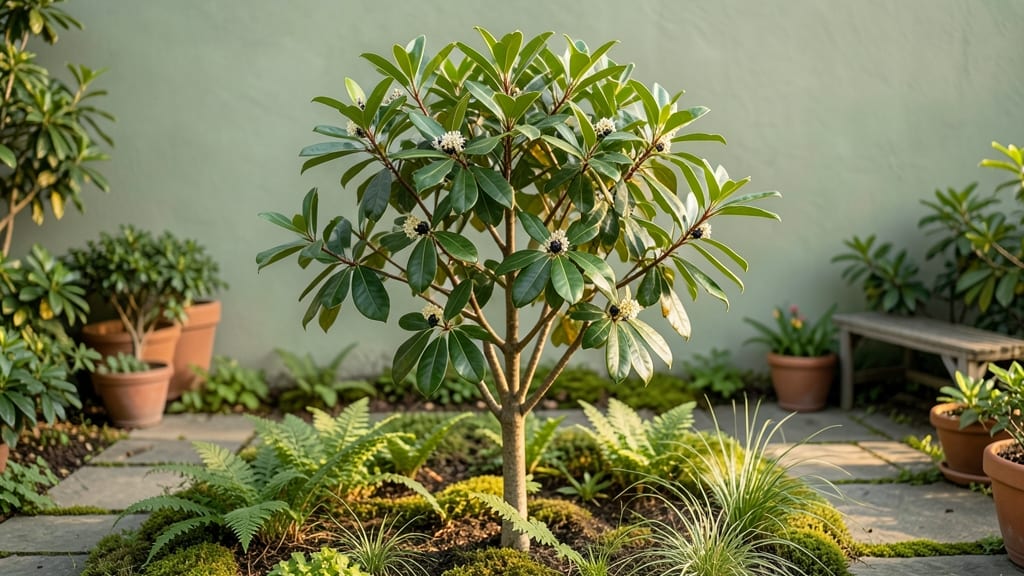
Growing a cinnamon tree indoors means waking up to the warm, spicy scent of true tropical luxury—no greenhouse required. 🌿 I’ve turned my living room corner into a fragrant forest with a compact tree that thrives on neglect (almost).
The secret? Mimicking its natural understory habitat: bright, indirect light, slightly acidic soil, and a humidity boost that keeps its leaves glossy and pest-free.
You’ll need a 10-15 gallon pot with drainage, a mix of potting soil and perlite (60/40), and a spray bottle for humidity. Pruning isn’t just about shape—it’s about encouraging that fragrant cinnamon bark to develop.
Start with a 6-inch-tall nursery plant, and within a year, you’ll have a 3-foot bush with leaves you can crush for a whiff of real spice. The trade-off? Patience—true cinnamon bark takes 3-5 years to mature indoors.
What you’ll love most is the year-round fragrance—no need to wait for harvest season. The leaves release their scent when crushed, and the bark (when mature) can be used like store-bought cinnamon.
Just avoid drafts, keep soil slightly moist but never soggy, and prune back one-third in spring to keep it bushy. The biggest mistake? Overwatering—root rot is the silent killer of indoor cinnamon trees.
Perfect for sunny windowsills, greenhouses, or even grow lights. If your home runs dry, group it with other plants or use a pebble tray. And yes, you can grow it from seed—but nursery plants grow faster. Here’s how to keep yours thriving all winter long.
📚 In This Guide
- What you need
- Instructions
- Tips and common mistakes
- Wrapping up and next steps
What you need
- ● Cinnamon Tree Seedling or Cutting: A healthy, disease-free Cinnamomum plant (4–6 inches tall for best results). Choose between C. verum (true cinnamon) or C. camphora (camphor tree) based on your climate tolerance.
- ● 10–12 Inch Pot: A well-draining ceramic or terracotta pot with drainage holes (1–2 pots if propagating from cuttings).
- ● High-Quality Potting Mix: A blend of 60% peat or coco coir, 30% perlite or pumice, and 10% compost for aeration and moisture control.
- ● Pruning Shears: Sharp, bypass pruners (sterilized with rubbing alcohol) for clean cuts. Avoid dull tools—they crush stems!
- ○ Rooting Hormone (Optional but Helpful): A gel or powder (e.g., Clonex) to boost root growth for cuttings.
- ● Spray Bottle: For misting leaves (especially in dry indoor air).
- ● Gloves: Protective gardening gloves to avoid resin irritation from camphor trees.
- ● Humidity Dome or Plastic Bag: A clear plastic cover to retain moisture during propagation (remove after roots form).
- ○ Grow Lights (Optional): A 12–16 hour LED grow light (6000K–6500K) if natural light is <10 hours/day.
- ○ Pruning Sealer (Optional): A natural sealant (e.g., tree wound pruning paste) for large cuts to prevent disease.
- ● Notebook & Pen: To track pruning dates, growth spurts, and fertilizer schedules!
- ● Bright, Indirect Light: A south- or west-facing window or a spot within 3 feet of a grow light.
- ● Temperature Control: Keep indoors at 65–85°F (avoid drafts or cold windowsills).
- ● Patience: Cinnamon trees grow slowly—expect 6–12 inches of growth per year!
Step-by-Step instructions for growing a compact cinnamon tree indoors
Here's my foolproof approach to cultivating a fragrant, manageable cinnamon tree that thrives year-round.
🪴 Step 1: Choose the Right Container and Soil
Select a 12-15 inch diameter pot with drainage holes—cinnamon trees have aggressive root systems that need room to spread. I use a heavy ceramic container to prevent tipping, especially as the tree grows. The soil should be a well-draining mix: combine 40% peat moss, 30% perlite, and 30% compost for optimal aeration and moisture retention.
Fill the pot to 2 inches below the rim, leaving space for the root ball. Tap the container gently to settle the mix without compacting it. Cinnamon trees hate soggy roots, so the soil must never stay waterlogged. If you're repotting an existing plant, choose a container only 2-3 inches larger in diameter—too much space encourages leggy growth instead of compact branching.
☀️ Step 2: Position for Bright, Indirect Light
Cinnamon trees need 6-8 hours of bright, indirect light daily. Place your tree near an east-facing window or 3-4 feet from a south-facing window to avoid harsh afternoon sun, which can scorch the leaves. If natural light is insufficient, supplement with a full-spectrum LED grow light positioned 12-18 inches above the plant for 12-14 hours daily.
Rotate the pot a quarter turn weekly so the tree grows evenly. You'll notice leaves leaning toward the light? That's your cue to adjust the position immediately. In winter, when light levels drop, move the tree closer to the window or increase grow light exposure. Yellowing leaves signal insufficient light—boost intensity gradually over 3-5 days to avoid shocking the plant.
💧 Step 3: Water and Humidity Management
Water when the top 2 inches of soil feel dry—stick your finger in to check. Cinnamon trees prefer slightly moist but never soggy soil. I water deeply until excess drains from the bottom, then empty the saucer after 10 minutes to prevent root rot. During active growth (spring and summer), water every 5-7 days, while in winter, reduce to every 10-14 days.
Maintain 50-60% humidity by placing the pot on a tray filled with pebbles and water, ensuring the pot sits above the waterline. Mist the leaves lightly 2-3 times weekly, but avoid wetting the bark. Brown leaf tips? That's a classic sign of low humidity—group the tree with other houseplants to create a microclimate. Overwatering is the #1 killer of cinnamon trees, so always check soil moisture before watering.
✂️ Step 4: Prune for Compact, Fragrant Growth
Prune in late winter or early spring to shape the tree and encourage dense branching. Use clean, sharp pruning shears to cut back 1/3 of the current year's growth, making cuts just above a leaf node at a 45-degree angle. Remove any leggy or weak stems to redirect energy into stronger growth. The goal is to maintain a 3-4 foot tall tree with a full, rounded shape—this ensures optimal air circulation and fragrance distribution.
Here's the thing—cinnamon trees respond beautifully to pruning. After trimming, you'll see new growth within 4-6 weeks, and the scent of the leaves will intensify. Save your pruned stems! Dry them in a warm, dark place for 2-3 weeks, then peel and grind the bark for homemade cinnamon. Just avoid heavy pruning in fall—this stresses the tree before its natural dormancy period.
🌿 Step 5: Fertilize and Monitor for Pests
Feed your cinnamon tree with a balanced liquid fertilizer (10-10-10) diluted to half-strength every 4-6 weeks during the growing season (spring through summer). Reduce to every 8-12 weeks in fall and winter. I always fertilize after watering to prevent root burn. Over-fertilizing causes salt buildup in the soil, which you'll spot as white crust on the surface—flush the soil with water if this happens.
Inspect the tree regularly for pests like spider mites or scale insects, which love dry conditions. Wipe leaves with a damp cloth weekly to remove dust and deter infestations. If you spot pests, treat with neem oil or insecticidal soap, repeating every 5-7 days for 2-3 weeks. Healthy cinnamon trees are resilient, but early intervention prevents minor issues from becoming major problems. Yellow leaves with brown edges? That's often a sign of overwatering or nutrient deficiency—adjust your care routine accordingly.
Tips & tricks for perfect indoor cinnamon tree growth
Between us, these small adjustments can transform your cinnamon tree from a struggling houseplant to a thriving, fragrant centerpiece.
Soil Mix Precision: The 40% peat moss, 30% perlite, 30% compost ratio is non-negotiable for cinnamon trees. I learned this the hard way after my first tree developed root rot from too much compost. For even better drainage, I add a handful of coarse sand to the mix—this prevents compaction while maintaining moisture retention. The key is creating a sponge-like texture that holds water without suffocating roots. Tap the container gently after filling to settle the mix without compacting it too much.
Light Adjustment Strategy: When you notice leaves leaning toward the light (a common issue in Step 2), don't just rotate the pot—move the entire plant. Cinnamon trees grow toward light sources, so gradual repositioning helps them adapt. For winter light boosts, I increase grow light exposure by 1-2 hours daily over 3-5 days rather than shocking the plant with sudden bright light. The gradual transition mimics natural seasonal changes and prevents leaf burn.
Pruning Payoff: That 1/3 of current year's growth you're cutting in Step 4 might seem drastic, but it's what creates the compact shape. Here's what nobody tells you—prune just above a leaf node at a 45-degree angle to encourage lateral branching. The 4-6 weeks for new growth is actually a minimum; some vigorous trees sprout new leaves in as little as 3 weeks if conditions are perfect. Save those pruned stems—they're your future cinnamon sticks!
Fertilizer Timing: The 4-6 week feeding schedule during growing season is ideal, but timing matters just as much as frequency. Always fertilize after watering to prevent root burn, and I've found that splitting the dose into two applications—half in spring and half in summer—gives more consistent results. Watch for salt buildup (white crust on soil surface) as your early warning sign of over-fertilizing. If you see this, flush the soil with water immediately to prevent damage.
Pro Tips for Cinnamon Tree Indoors
- Between us, these small adjustments can transform your cinnamon tree from a struggling houseplant to a thriving, fragrant centerpiece.
- Soil Mix Precision: The 40% peat moss, 30% perlite, 30% compost ratio is non-negotiable for cinnamon trees.
- Light Adjustment Strategy: When you notice leaves leaning toward the light (a common issue in Step 2), don't just rotate the pot—move the entire plant.
Frequently asked questions
Got questions about growing a cinnamon tree indoors?
You’re not alone! Here are answers to the most common queries—from pruning tips to troubleshooting—so you can keep your fragrant little tree thriving year-round.
Can I grow a cinnamon tree indoors from a store-bought stick or bark?
Yes, but with patience! Store-bought cinnamon sticks or bark won’t sprout roots—those are dried stems. Instead, source a Cinnamomum verum (true cinnamon) cutting from a nursery or propagate from a healthy indoor tree. Root the cutting in moist perlite or water with a rooting hormone for best results.
How long does it take for a cinnamon tree to grow indoors?
Indoor cinnamon trees grow slowly—expect 1–3 inches per year with ideal care. A mature, pruned tree (3–6 feet tall) can take 3–5 years from a cutting. Patience pays off with fragrant leaves and occasional white flowers!
When is the best time to prune my indoor cinnamon tree?
Prune after flowering (late spring/summer) or in early spring to shape the tree and encourage bushier growth. Avoid heavy pruning in winter, as the tree enters dormancy. Always use sterilized shears and seal cuts with cinnamon powder to prevent disease.
Why are the leaves on my cinnamon tree turning yellow or dropping?
Yellow leaves often signal overwatering (let soil dry between waterings) or low humidity (mist leaves or use a pebble tray). Brown edges? It’s likely underwatering or fluoride sensitivity (use filtered water). Move the tree to bright, indirect light if growth stalls.
What’s a good alternative if I can’t grow a true cinnamon tree indoors?
Try Cinnamomum camphora (camphor tree) or Cinnamomum loureirii (Saigon cinnamon)—both thrive indoors and offer similar care needs. For a fragrant, fast-growing option, consider Murraya paniculata (orange jasmine), though its leaves aren’t edible.
Wrapping up and next steps
Growing a fragrant cinnamon tree indoors isn’t just about adding greenery—it’s about bringing warmth, spice, and a touch of the tropics into your home. With the right light, pruning techniques, and care, you can enjoy compact growth and luscious leaves year-round.
Whether you’re a pruning pro or just starting, your cinnamon tree will reward you with aromatic leaves and a stunning centerpiece—so roll up your sleeves and get growing!
Ready to take the next step? Start small—pick a healthy branch, grab your pruning shears, and give it a try! Soon, your indoor jungle will be flourishing with cinnamon-scented magic.