
Pruning
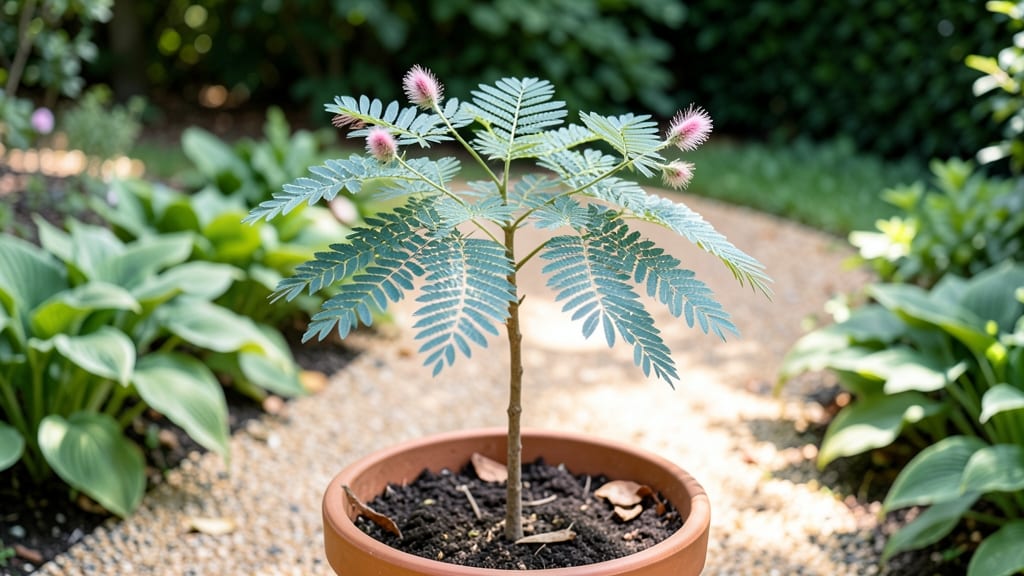
Your silk tree seedling could grow 3 feet in its first year with the right pruning—it’s all about timing and technique. 🌿 I learned this after watching my first seedling shoot up like a rocket when I started pruning early, and now I’m sharing the exact method that keeps these trees lush and fast-growing year-round.
The key is light, frequent cuts—never heavy pruning. Silk trees respond best to shaping in late winter or early spring, but you can trim lightly after major growth spurts too. Just avoid pruning when new buds are forming, or you’ll slow down that explosive growth you’re after.
You’ll end up with a tree that’s denser, fuller, and more resistant to pests—plus, the silky pink blooms arrive earlier and last longer. The secret is patience: wait until you see 3-4 sets of leaves before making your first major cut.
This method works for both container-grown silk trees and those planted in the ground. The only real challenge? Keeping up with the growth—these trees don’t like to be ignored!
📚 In This Guide
- What you need
- Instructions
- Tips and common mistakes
- Wrapping up and next steps
What you need
- ● Silk tree seedling: 1 healthy 1- to 3-year-old sapling (nursery-purchased or propagated).
- ● Pruning shears: 1 pair of bypass pruners (sharp, clean, and sterilized with rubbing alcohol).
- ● Loppers: 1 pair (for thicker branches, 1.5"–2" cutting capacity).
- ● Hand pruners: 1 pair (for delicate trimming, small blade).
- ● Pruning saw: 1 (for branches >2" in diameter).
- ● Garden gloves: 1 pair (cut-resistant, size medium/large).
- ○ Disinfectant: Rubbing alcohol (70% isopropyl) or pruning sealant (optional but recommended).
- ● Compost or mulch: 2–3 gallons (for post-pruning soil enrichment).
- ● Watering can or hose: 1 (with adjustable nozzle for gentle watering).
- ● Tree wound dressing: (e.g., Tanglefoot Tree Wound Pruning Seal for large cuts).
- ● Ladder or step stool: (if your silk tree is >6 ft tall).
- ● Label tags: (to mark pruned sections if training the tree).
- ● Safety glasses: (for debris-prone pruning sessions).
- ● Fertilizer: Slow-release balanced fertilizer (10-10-10 ratio, 1 lb per 100 sq ft).
Step-by-step pruning guide for silk tree seedlings
Here's how I keep silk tree seedlings growing thick and fast—no guesswork, just proven techniques.
✂️ Step 1: Identify the Right Time to Prune
Prune your silk tree seedlings in early spring just as new growth begins, or in late summer after the main flush of flowers has faded. This timing ensures you're cutting back when the plant has energy reserves to recover quickly. You'll know it's the right moment when you see fresh, vibrant leaves emerging from the tips of branches.
Never prune during dormancy or when the plant is under stress from drought or extreme heat. I always check the soil first—if it's dry to the touch, wait until after a good watering. Pruning stressed plants weakens them further and can invite pests.
✂️ Step 2: Use Clean, Sharp Tools for Precision Cuts
Grab your sterilized pruning shears—clean tools prevent disease from spreading to open wounds. I dip the blades in rubbing alcohol between cuts to keep everything sanitized. Make cuts at a 45-degree angle, about ¼ inch above a leaf node or outward-facing bud. This angle helps water run off and reduces the risk of rot.
For thicker branches, use bypass pruners instead of anvil pruners—they make cleaner cuts that heal faster. Avoid tearing the bark, which can leave the plant vulnerable to infections. If you're working with multiple seedlings, keep a small bowl of alcohol handy to wipe down tools between each plant.
☀️ Step 3: Shape for Airflow and Light Penetration
Start by removing any dead, diseased, or crossing branches—these compete for nutrients and block sunlight. Aim to open up the center of the plant so light reaches all the way to the inner leaves. You'll notice the plant's natural shape starts to emerge as you thin out crowded areas. For silk trees, I focus on creating an open, vase-like structure that encourages dense foliage.
Cut back overgrown branches by one-third to encourage bushier growth. If a branch is too long, prune it back to just above a strong outward-facing bud. This ensures the plant grows fuller rather than leggy. Watch for new shoots emerging from the nodes—these are your signal that the plant is responding well.
💧 Step 4: Water and Fertilize After Pruning
Give your silk tree seedlings a deep watering right after pruning to help them recover. The roots will need extra moisture as they adjust to the new growth demands. Water until you see 1-2 inches of soil evenly damp—don't let it pool, but make sure it penetrates deeply. I usually water in the early morning so the leaves have time to dry before evening.
Apply a balanced, water-soluble fertilizer (like 10-10-10) at half-strength a week after pruning. This gives the plant a gentle nutrient boost without overwhelming it. Avoid high-nitrogen fertilizers right after pruning—they encourage soft, weak growth that's prone to breakage. Instead, focus on root-strengthening fertilizers with phosphorus and potassium to support healing.
⏰ Step 5: Monitor Growth and Adjust as Needed
Keep an eye on your seedlings for the next 4-6 weeks—this is when you'll see the most dramatic changes. You'll know pruning was successful when you see new leaves emerging from the nodes you cut back to. If growth slows or leaves yellow, it might mean the plant needs more light or nutrients. Move it to a sunnier spot if possible, or adjust your fertilizer schedule.
For fast growth, I repeat the pruning process every 6-8 weeks during the growing season. This keeps the plant compact, encourages flowering, and prevents it from becoming too leggy. Silk trees respond well to regular pruning, so don't be afraid to trim back aggressively—just do it at the right time and with the right tools.
Tips & tricks for perfect silk tree seedling pruning
Real talk: Pruning silk tree seedlings can feel intimidating, but these simple tricks will turn you into a pruning pro.
The Timing Secret: Early spring and late summer are your golden windows because that's when the plant has stored energy to bounce back. I learned this the hard way after pruning in winter and watching my seedlings struggle to recover. Look for fresh, vibrant leaves—those are your cue that it's time to trim.
Tool Technique: Sterilizing your pruning shears between cuts is non-negotiable. I keep a small bowl of rubbing alcohol right next to my work area and dip the blades after every 3-4 cuts. This prevents disease from spreading between plants, especially when working with multiple seedlings. For thicker branches, bypass pruners create cleaner cuts that heal faster than anvil pruners.
Shape Strategy: When shaping, focus on creating that open vase-like structure by removing crossing branches first. This lets sunlight reach all parts of the plant, which is crucial for silk trees. I always cut back overgrown branches by one-third—this might seem aggressive, but it triggers bushier growth. Watch for new shoots emerging from the nodes you cut back to; those are your success indicators.
Recovery Boost: After pruning, give your seedlings a deep watering that penetrates 1-2 inches into the soil. I always do this in the early morning so the leaves have time to dry before evening. A week later, apply a balanced fertilizer at half-strength—this gentle boost helps the plant recover without overwhelming it. The key is patience: monitor growth for 4-6 weeks to see the full benefits.
Pro Tips for Silk Tree Seedling
- Real talk: Pruning silk tree seedlings can feel intimidating, but these simple tricks will turn you into a pruning pro.
- The Timing Secret: Early spring and late summer are your golden windows because that's when the plant has stored ener...
- Tool Technique: Sterilizing your pruning shears between cuts is non-negotiable. I keep a small bowl of rubbing alcoho...
Frequently asked questions
Got questions about nurturing your silk tree seedling? You’re not alone!
Whether you're a pruning pro or just starting out, these answers will help you keep your tree thriving year-round.
How often should I prune my silk tree seedling?
For young silk tree seedlings, prune lightly every 3–4 months to encourage bushier growth. Once established (after 2–3 years), you can prune twice a year—once in late winter/early spring (before new growth) and again in mid-summer to maintain shape. Avoid heavy pruning in fall, as it can stress the tree.
Can I prune my silk tree in winter?
Yes, but only light pruning is recommended in winter. Focus on removing dead, diseased, or crossing branches. Heavy pruning in cold months can expose the tree to frost damage. If you live in a harsh winter climate, wait until late winter (just before buds swell) for safer, more effective trimming.
What if my silk tree seedling isn’t growing after pruning?
Slow growth after pruning could mean a few things:
- Underwatering: Silk trees love moisture—keep soil consistently damp (but not soggy).
- Nutrient deficiency: Fertilize with a balanced, slow-release fertilizer in spring.
- Over-pruning: Avoid cutting more than 25% of the foliage at once.
Are there alternatives to silk trees for fast-growing shade?
If silk trees aren’t your style, consider these fast-growing, low-maintenance alternatives:
- Mimosa tree – Thrives in heat, drought-tolerant, and grows quickly.
- Paulownia tree – Giant leaves, cold-hardy, and loves full sun.
- Empress tree – Similar to silk trees but with larger, glossier leaves.
- Russian olive – Drought-resistant and great for arid climates.
What’s the best way to sterilize pruning tools for silk tree seedlings?
Always sterilize tools between cuts to prevent disease spread. Use 70% isopropyl alcohol or a 10% bleach solution (1 part bleach to 9 parts water), letting tools soak for 1–2 minutes. Rinse and dry thoroughly. For extra protection, carry a small spray bottle of rubbing alcohol in your pruning kit!
Wrapping up and next steps
Growing a thriving silk tree seedling is all about consistency—year-round pruning unlocks its full potential for rapid, lush growth. By mastering when and how to trim, you’ll shape a healthier, more vibrant tree while keeping pests at bay. 🌿
Ready to see your silk tree flourish? Start by scheduling your next pruning session—whether it’s a light trim in summer or a deeper cut in winter—and watch your seedling reward you with stunning foliage and resilience!