
Pruning
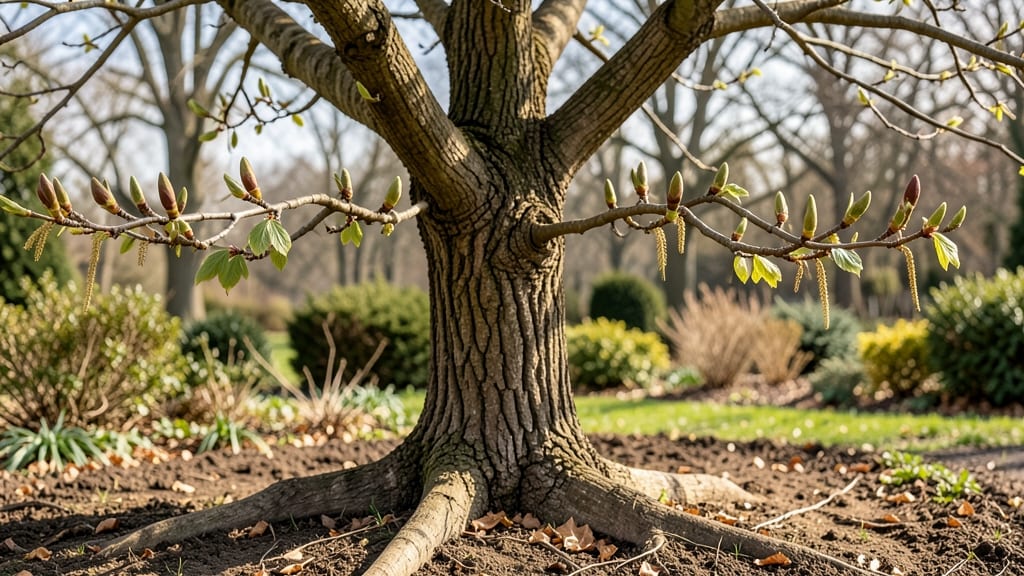
Your chestnut tree’s buds hold the key to next year’s harvest—and proper care now makes all the difference. 🌱 These tiny powerhouses determine whether your tree will produce sweet, edible nuts or struggle with weak growth. The secret lies in understanding their lifecycle and giving them the right conditions year-round.
Chestnut buds need three things to thrive: sunlight, proper pruning timing, and well-draining soil. I’ve learned the hard way that cutting too late in winter can shock the tree, while pruning too early risks damaging emerging buds.
The best time is late winter or early spring, just before new growth starts. Healthy buds look plump, reddish-brown, and tightly closed—like tiny footballs. If they’re shriveled, discolored, or covered in pests, your tree might be stressed.
A simple soil test and targeted pruning can turn things around, ensuring strong buds that lead to abundant harvests. This approach works for both American and European chestnut varieties, whether you’re managing a backyard tree or a larger grove. Let’s get those buds in top shape!
📚 In This Guide
- What you need
- Instructions
- Tips and common mistakes
- Wrapping up and next steps
What you need
- ● Pruning shears: Bypass pruners (for smaller branches, 1/4"–3/8" cut capacity)
- ● Loppers: For medium branches (3/8"–1.5" cut capacity)
- ● Pruning saw: For thicker branches (2"–4" cut capacity)
- ● Gloves: Heavy-duty, cut-resistant (e.g., mechanics’ or pruning gloves)
- ● Disinfectant: 70% isopropyl alcohol or bleach solution (1 part bleach to 9 parts water) for sterilizing tools
- ○ Pruning sealant: Optional but helpful for larger wounds (tree wound paint or pruning paste)
- ● Ladder or step stool: For reaching higher branches (ensure stability!)
- ● Safety goggles: To protect eyes from debris
- ● Extension pole: For hard-to-reach branches (e.g., 10–15 ft. telescoping pole)
- ● Sharpener: File or pruning saw sharpener to keep tools in top condition
- ● Work bag or bucket: For collecting pruned branches and debris
- ● Labeling tags: If grafting or propagating buds (waterproof markers + tags)
- ● First-aid kit: For minor cuts or scrapes
- ● Know your tree: Identify your chestnut species (e.g., American, European, or horse chestnut) and its growth habits.
- ● Timing: Prune dormant buds in late winter/early spring (before new growth) or summer for shaping.
- ● Weather check: Avoid pruning during wet or freezing conditions—tools slip, and wounds heal poorly.
- ● Local regulations: Some areas require permits for large-scale pruning (check before starting!)
Step-by-step guide to pruning chestnut tree buds for healthy growth
Pruning chestnut trees isn’t just about shaping—it’s about building a strong framework for future harvests.
🌱 Step 1: Identify the Right Time to Prune
Chestnut trees respond best to pruning during their dormant season, typically late winter to early spring before buds swell. This timing ensures you’re not removing energy the tree needs to fuel new growth. I like to prune in February or March when temperatures stay below 40°F—this prevents disease spread and gives the tree time to heal before spring.
Look for buds that are still tight and closed—these indicate dormancy. If you see any green emerging, wait a few weeks. Pruning too early can stress the tree, while pruning too late may interfere with the tree’s natural energy buildup for the season.
✂️ Step 2: Prepare Your Tools and Inspect the Tree
Start by sharpening your pruning shears and loppers—dull tools crush branches instead of making clean cuts, which invites disease. Disinfect them with rubbing alcohol between cuts to prevent spreading fungal spores. For larger branches, use a pruning saw with a fine-toothed blade to avoid tearing the bark.
Walk around the tree and assess its structure. Remove any dead, diseased, or crossing branches first—these compete for resources and can block sunlight or air flow. Focus on branches that are thinner than a pencil for your initial pruning; thicker branches should be addressed in later years.
☀️ Step 3: Prune for Light and Airflow
Start at the outer canopy and work your way inward. Remove branches that grow straight upward—these create weak, crowded growth. Aim to open the center of the tree so sunlight reaches the inner buds. You’ll see healthier buds forming along branches that receive at least 6 hours of sunlight daily.
Cut just outside the bud collar (the swollen area where the branch meets the trunk) at a 45-degree angle. Avoid leaving stubs—this can trap moisture and lead to rot. If a branch is too thick to cut cleanly, make two cuts: the first notch the underside, then cut above the notch to avoid tearing.
⏰ Step 4: Monitor and Maintain Through the Growing Season
After pruning, keep an eye on the tree for new growth—you should see fresh buds swelling within 4-6 weeks. Water deeply if your area experiences dry spells, especially in the first year after pruning. Chestnut trees need 1-1.5 inches of water per week, but avoid overwatering, which can drown roots.
In summer, remove any suckers (shoots growing from the base) and water sprouts (fast-growing vertical shoots). These steal energy from your main branches. By fall, assess the tree’s shape again—if any branches grew too long or crowded, plan to trim them in the next dormant season.
🌿 Step 5: Plan for Long-Term Health
Chestnut trees thrive with consistent pruning every 2-3 years. Over time, you’ll develop a rhythm: light pruning in winter, summer maintenance, and fall checks. The goal is to keep the tree open and balanced, so sunlight and air circulate freely to all buds.
Real talk: Don’t overdo it. Chestnut trees are resilient, but removing too much foliage at once can stress them. Aim to prune no more than 25% of the canopy in any single session. With patience, your tree will reward you with stronger buds, better harvests, and a healthier structure for decades.
Tips & tricks for pruning chestnut tree buds
Common mistakes can turn a healthy pruning session into a stressful one—here's how to avoid them.
Timing is Everything: The February or March window isn't just a suggestion—it's critical. I learned this the hard way after pruning too early when buds were just starting to swell. The tree's energy reserves are still low, and you'll see slower recovery. Look for those tight, closed buds as your green light. If you miss this window, wait until the next dormant season rather than pruning when buds are already active.
Tool Prep Makes All the Difference: I can't stress enough how important sharp tools are. Dull pruning shears tear bark and create jagged cuts that invite disease. Take 5 minutes to sharpen your blades before starting—it's time well spent. Also, that rubbing alcohol isn't optional. I've seen fungal infections spread through unsterilized tools, and once it's in your tree, it's hard to get rid of. Keep a small bottle handy and wipe between cuts, especially when moving from diseased to healthy branches.
The 45-Degree Angle Secret: That angled cut isn't just for looks—it's about directing water away from the cut. When you make a clean cut just outside the bud collar at a 45-degree angle, rainwater runs off instead of pooling. This simple technique prevents rot that can kill buds. For thicker branches, the two-cut method (notching first) prevents bark tearing, which is especially important for chestnut trees that heal more slowly than fruit trees.
Sunlight Tracking Through Seasons: After pruning, mark branches that receive at least 6 hours of sunlight daily—they're your high-performing buds. In summer, you'll notice these branches produce the most vigorous new growth. If you see buds struggling on shaded branches, consider selective thinning in the next dormant season to let more light penetrate. The goal is to create an open canopy where air circulates freely—this prevents fungal issues and encourages stronger bud development.
Pro Tips for Chestnut Tree Buds
- Common mistakes can turn a healthy pruning session into a stressful one—here's how to avoid them.
- Timing is Everything: The February or March window isn't just a suggestion—it's critical.
- Tool Prep Makes All the Difference: I can't stress enough how important sharp tools are.
Frequently asked questions
Got questions about chestnut tree buds and pruning?
Here are some of the most common ones—plus quick answers to keep your tree thriving!
When is the best time to prune chestnut tree buds for optimal growth?
The ideal time is late winter or early spring (before buds swell), but you can also prune in summer if needed. Avoid heavy pruning in fall—it stresses the tree and invites pests. Light shaping in late summer (after harvest) is fine, but focus on removing dead or diseased branches first.
How long does it take for chestnut tree buds to sprout after pruning?
New buds typically sprout within 4–8 weeks after pruning, depending on climate and tree health. Warmer regions may see faster regrowth, while cooler areas could take longer. Patience is key! If no buds appear after 2 months, check for root issues or over-pruning.
Can I prune chestnut tree buds in fall, or should I wait?
Fall pruning is risky—it can expose the tree to winter pests and diseases. If you must prune, do so early fall (September) and only remove dead/diseased branches. Save major cuts for dormancy (late winter) to protect your harvest.
What if my chestnut tree isn’t budding after pruning? Troubleshooting tips.
Try these fixes if buds aren’t forming:
- Check pruning cuts: Ensure cuts are clean (not torn) and at a <45° angle.
- Fertilize: Use a balanced 10-10-10 fertilizer in early spring.
- Water deeply: Drought stress delays budding—aim for <1–2 inches/week.
- Inspect for pests: Look for borers or aphids; treat with neem oil if found.
Are there alternatives to pruning buds for chestnut tree care?
While pruning is essential, you can also:
- Thin out dense canopies to improve airflow (reduces disease).
- Mulch heavily (3–4 inches) to retain moisture and protect roots.
- Use organic sprays (like copper fungicide) to prevent bud blight.
Wrapping up and next steps
From understanding the best times to prune your chestnut tree to mastering the art of selective cutting, you now have the tools to nurture a thriving tree year-round. 🌱 Healthy buds mean better harvests and stronger growth—so grab those pruners and get to work!
Your next step? Schedule a pruning session this season and watch your chestnut tree flourish with each careful cut.
Pro tip: Keep a pruning journal to track growth patterns and refine your technique over time! ✨