
Pruning
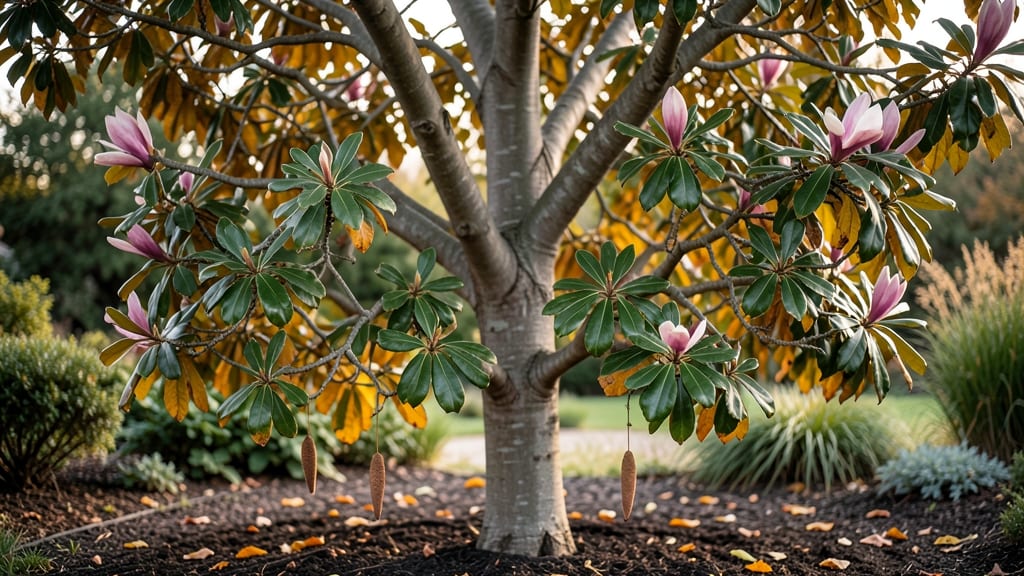
Fall is the perfect time to prune your Jane magnolia tree—strategic cuts now mean showstopping spring blooms next year. 🌸 I’ve pruned mine every autumn for five seasons, and the difference in flower production is night-and-day. The key?
Timing, technique, and knowing which branches to keep (and which to say goodbye to). Most gardeners wait until late October or early November when the tree has finished its fall color display but before hard frosts.
Grab your pruners, a bucket for clippings, and a sharp eye—you’ll focus on thinning out crowded branches and shaping the tree to encourage airflow. This isn’t about drastic cuts; think of it as giving your magnolia a spa day for better growth.
By next spring, you’ll notice fewer crowded blooms and stronger stems—the tree will reward your effort with larger, more vibrant flowers that last weeks. The pruned branches make great mulch, and the open canopy lets sunlight reach the center, reducing disease risk.
Works for both young trees (light shaping) and mature specimens (rejuvenation cuts). Here’s how to do it right without sacrificing next year’s show. Let’s get started!
📚 In This Guide
- What you need
- Instructions
- Tips and common mistakes
- Wrapping up and next steps
What you need
- ● Pruning shears: Bypass pruners (sharp, 6–8" blades) for small branches (1/4"–3/4" diameter). Pro tip: Clean blades with rubbing alcohol before and after use to prevent disease spread! 💡
- ● Loppers: 8–10" bypass loppers for medium branches (3/4"–2" diameter). Look for ratcheting models for extra leverage.
- ○ Pruning saw: Curved-tooth handsaw or folding pruning saw for thick branches (2"–4" diameter). Optional: A pole saw if your tree is tall (6’+).
- ● Gloves: Heavy-duty gardening gloves (nitrile-coated for grip and protection). Bonus: Arm sleeves if your tree has thorns!
- ● Disinfectant: 70% isopropyl alcohol or a 10% bleach solution (1 part bleach to 9 parts water) to sterilize tools between cuts.
- ○ Pruning sealant: (Optional but helpful) Tree wound sealant for cuts larger than 1/2" to prevent disease. Note: Skip this for Jane Magnolias—research suggests it’s not necessary for their healing process! ✨
- ● Ladder: Extension ladder (20’+ if your tree exceeds 15’). Safety first: Use a ladder stabilizer or have a spotter assist.
- ● Trash bags: Heavy-duty contractor bags (10–20 gallon) for debris. Pro tip: Line bags with a tarp for easy cleanup! 🌡️
- ● Weather check: Prune on a dry, overcast day (avoid wind or rain). Ideal temps: 50–70°F.
- ● Safety gear: Safety glasses, long sleeves/pants, and closed-toe shoes. Jane Magnolias can have sharp edges!
- ● Tree assessment: Study your tree’s structure beforehand. Sketch a rough map of branches to remove (aim for no more than 25% of the canopy in one session).
- ● First aid kit: Bandages and antiseptic wipes (just in case!).
Strategic fall pruning for Jane magnolia trees
Fall is the perfect time to shape your Jane magnolia for stunning spring blooms—here’s how to do it right.
🌿 Step 1: Assess the Tree’s Structure and Health
Start by examining your Jane magnolia for dead, diseased, or crossing branches. These are your top priorities for removal. Look for branches that rub against each other—they’ll create wounds that weaken the tree. I always use a small flashlight to inspect the canopy, especially in shaded areas where pests or fungal issues might hide.
Check for watersprouts (thin, vertical shoots) and suckers (shoots growing from the base). These compete with the main structure for nutrients. Mark these with a piece of twine or a flagging tape so you don’t miss them during pruning. The goal here is to create an open center that allows light and air to circulate freely.
✂️ Step 2: Remove Dead, Diseased, and Problem Branches
Use sharp, clean pruning shears to make your first cuts. For branches thicker than ½ inch, switch to a pruning saw. Always cut just outside the branch collar—the swollen area where the branch meets the trunk. This ensures the tree seals the wound properly and reduces the risk of infection.
Make clean, angled cuts about ¼ inch above a bud or branch collar. Avoid leaving stubs, as they invite decay and pests. If a branch is diseased, sterilize your tools with rubbing alcohol between cuts. I like to work in sections, starting from the bottom and moving upward, so I can see the overall shape as I go.
🌱 Step 3: Thin the Canopy for Better Airflow
Jane magnolias benefit from selective thinning to improve light penetration and airflow. Focus on removing branches that grow inward or downward, as these can block sunlight and create a dense, shaded interior. Aim to reduce the canopy density by about 20-30%—this encourages stronger growth and better blooming next spring.
When thinning, prioritize branches that are ⅓ the diameter of the trunk or smaller. Larger branches should only be removed if they’re dead, diseased, or severely crossing. Step back frequently to assess the tree’s balance. The goal is to maintain a natural, open shape while preserving the tree’s structural integrity.
☀️ Step 4: Shape the Tree for Optimal Growth
Now’s the time to refine the tree’s silhouette. Jane magnolias respond well to light shaping, but avoid heavy pruning—this can stress the tree and reduce next year’s blooms. Focus on removing branches that disrupt the tree’s natural form or grow in awkward directions. I typically limit myself to removing no more than 25% of the tree’s foliage in a single session.
Use hand pruners for smaller branches and a pruning saw for larger ones. Always cut at a 45-degree angle just outside the branch collar. Avoid cutting into the trunk or leaving large wounds. After shaping, step back to ensure the tree has a balanced, open structure. This will encourage vigorous growth and abundant flowering in spring.
⏰ Step 5: Clean Up and Apply Protective Measures
Once pruning is complete, gather all debris and dispose of it properly. Diseased branches should be burned or placed in sealed bags to prevent the spread of pathogens. Sterilize your tools again with rubbing alcohol to ensure they’re clean for the next use.
Apply a thin layer of wound dressing (optional but helpful for larger cuts) to seal any significant wounds. Water the base of the tree deeply to help it recover from the stress of pruning. Avoid fertilizing immediately after pruning—wait until early spring to encourage new growth. This final step ensures your Jane magnolia enters dormancy strong and healthy, ready to burst into bloom next season.
Tips & tricks for perfect fall magnolia pruning
These targeted strategies will help you prune your Jane magnolia like a seasoned arborist—without the common pitfalls that can harm your tree.
Tool Preparation: I can't stress this enough—your pruning tools should be as sharp as your focus. Dull shears tear bark and create jagged wounds that take years to heal. Before you start, sharpen your pruning shears and sterilize them with rubbing alcohol. For branches over ½ inch thick, invest in a quality pruning saw with a fine-toothed blade—it'll make those larger cuts clean and precise.
Visual Assessment Trick: In Step 1, when inspecting for crossing branches, try this: stand directly under the tree and look up through the canopy. Branches that appear to cross when viewed from the ground may actually be growing at different angles when viewed from below. This perspective helps you identify true crossing branches that need removal while preserving the tree's natural shape.
Canopy Thinning Strategy: The 20-30% thinning guideline in Step 3 might seem abstract, so here's how to visualize it: imagine dividing your tree's canopy into four equal quadrants. In each quadrant, remove branches until you can see light filtering through the outer leaves when you look through the canopy from the ground. This creates that perfect open center while maintaining the tree's structural integrity.
Wound Care Insight: When applying wound dressing in Step 5, think of it as creating a protective seal—not a cure. The tree's natural healing process begins at the branch collar, so your goal is to minimize moisture loss and prevent pests from entering. I use a thin layer of tree wound pruning paste on cuts larger than ½ inch, but remember: the best "dressing" is always a clean cut made just outside the branch collar.
Pro Tips for Jane Magnolia Tree In Fall
- These targeted strategies will help you prune your Jane magnolia like a seasoned arborist—without the common pitfalls that can harm your tree.
- Tool Preparation: I can't stress this enough—your pruning tools should be as sharp as your focus.
- Visual Assessment Trick: In Step 1, when inspecting for crossing branches, try this: stand directly under the tree and look up through the canopy.
Frequently asked questions
about pruning your Jane magnolia tree in fall—because even experienced gardeners need a little clarity!When is the exact best time to prune my Jane magnolia in fall?
The ideal window is late fall (November–early December), after leaves drop but before hard frost. This timing balances safety (avoiding winter stress) and preparation for spring growth. If you miss it, wait until early spring—just avoid pruning during active blooming or extreme cold.
Can I prune too much? What’s the "safe" amount?
Stick to no more than 25–30% of the tree’s canopy per year. For a Jane magnolia, focus on dead, crossing, or overcrowded branches—never trim more than 1/3 of a branch’s diameter. Over-pruning stresses the tree and can reduce next year’s stunning spring blooms.
What if my Jane magnolia isn’t blooming well after pruning?
Bloom reduction often happens if you prune too late (after buds form) or too aggressively. To troubleshoot:
- Check for dormant flower buds (small, round bumps on branches) before cutting.
- Ensure the tree gets 6+ hours of sunlight and well-draining soil.
- Fertilize in early spring with a balanced, slow-release formula.
Do I need to sterilize my pruners between cuts?
Absolutely!
Sterilizing pruners with rubbing alcohol (70%+) or a 10% bleach solution prevents spreading fungal/bacterial diseases (like anthracnose). Wipe blades before and after each cut, especially when moving between branches or trees. A quick spray bottle of alcohol makes this easy!
Are there fall-pruning alternatives if I’m busy?
Yes! If fall pruning slips your mind:
- Late winter (Feb–March): Prune before buds swell—this is the second-best time.
- Light maintenance: Remove only dead/diseased branches anytime.
- Hire a pro: A local arborist can handle it for ~$100–$300, depending on tree size.
Wrapping up and next steps
Fall is the perfect time to give your Jane Magnolia tree the care it needs to burst into stunning blooms next spring! By following these strategic pruning tips—like removing dead wood, thinning dense branches, and shaping with precision—you’ll encourage healthier growth and more vibrant flowers. 🌸
Ready to transform your tree into a showstopper? Grab your tools, step outside, and start pruning with confidence. Your future blooms will thank you!
Pro tip: Mark your calendar for late fall or early winter—just after the leaves drop—for the best results. Happy pruning! ✂️