
Blooming
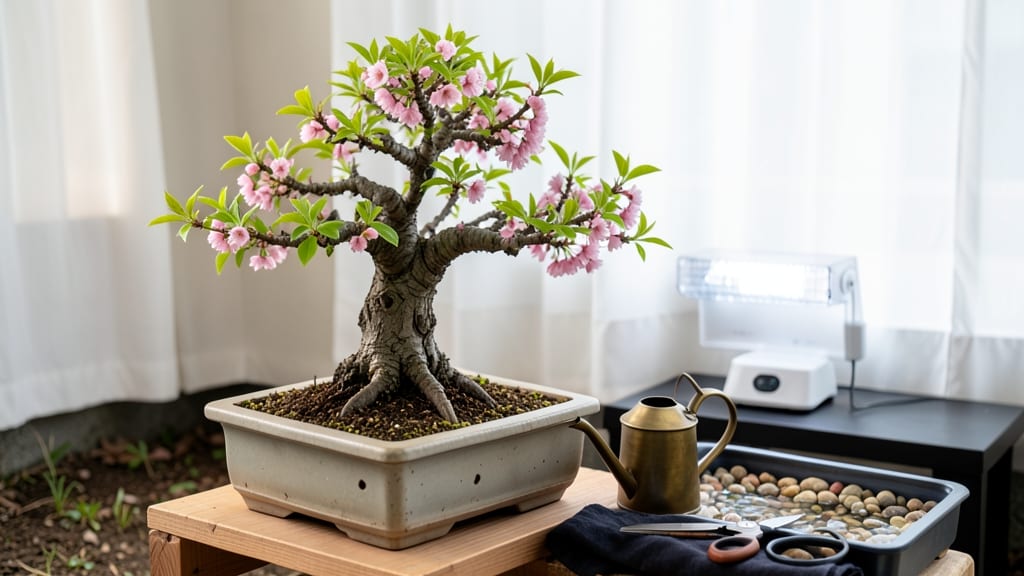
Caring for a cherry blossom bonsai tree means chasing those iconic pink blooms year after year—it’s the ultimate test of patience and precision. 🌸 I’ve wrestled with my own over the years, learning that the difference between a thriving bonsai and a sad, leafless stick comes down to three critical habits: pruning at the right time, keeping the soil just damp (not soggy), and never letting it bake in direct afternoon sun.
The biggest mistake? Waiting until the flowers fade to prune. That’s when you lose next year’s blooms. Instead, you’ll shape the tree in late winter (before buds swell) and do light maintenance after flowering.
The goal isn’t perfection—it’s guiding the tree’s energy where you want it: into roots, branches, and those delicate blossoms. By summer, you’ll see the payoff: glossy new leaves, sturdy branches, and—if you’ve been gentle with the watering—buds forming for next spring.
The key is consistency; bonsai don’t forgive neglect, but they reward attention with that unmistakable cherry blossom scent drifting through your home. This works for any space—sunny windowsills, shaded patios, or even under grow lights.
The challenge is worth it when your bonsai becomes the centerpiece that blooms every year, just like the trees in Kyoto.
📚 In This Guide
- What you need
- Instructions
- Tips and common mistakes
- Wrapping up and next steps
What you need
- ● Cherry blossom bonsai tree (pre-bonsai or young sapling, ideally Prunus serrulata or Prunus × yedoensis)
- ● Bonsai pot (shallow, with drainage holes; 4–8 inches in diameter, depending on tree size)
- ● Bonsai soil mix (well-draining blend: 50% akadama, 30% pumice, 20% organic matter like peat moss)
- ● Drainage layer (small gravel or lava rock, 1–2 inches thick)
- ● Pruning tools: Concave cutter (for thick branches)
- ● Bypass pruners (for finer cuts)
- ● Wire cutters (for removing training wire)
- ● Aluminum or copper bonsai wire (1–3mm gauge, for shaping branches)
- ● Root hook (for gentle root pruning and shaping)
- ● Humidity tray (to combat dry air, especially during bloom)
- ● Misting bottle (for light hydration between waterings)
- ● Slow-release bonsai fertilizer (balanced NPK, 10-10-10 or similar)
- ● Bonsai rooting hormone (if propagating from cuttings)
- ● Decorative elements (miniature rocks, moss, or figurines for styling)
Step-by-step cherry blossom bonsai tree pruning guide
Pruning your cherry blossom bonsai isn’t just about shaping—it’s about encouraging those delicate blooms year after year. Here’s how to do it right, season by season.
✂️ Step 1: Prune After Flowering in Early Spring
Once your tree finishes blooming—usually in late April or early May—trim back any dead or crossing branches first. Use clean, sharp bonsai shears to make cuts just above a bud or leaf joint. This prevents unsightly stubs and encourages new growth. I like to step back and squint one eye to visualize the natural shape—think "less is more" with cherry blossoms.
Remove about one-third of the new growth from each branch to maintain balance. The goal is to keep the tree airy enough for sunlight to reach the inner branches. If you see weak, spindly shoots, cut them back to a stronger bud. This might seem harsh, but it prevents overcrowding and keeps the blooms abundant.
☀️ Step 2: Summer Maintenance Pruning (June–August)
During the growing season, keep an eye out for shoots growing toward the center of the tree. These compete for sunlight and nutrients, weakening the overall structure. Pinch off these shoots with your fingers or trim them back to a leaf node. I do this every 2-3 weeks—it’s a quick check while I’m watering.
Watch for long, leggy branches stretching toward light. These need light pruning to encourage bushier growth. Cut just above a bud that faces outward to maintain the tree’s natural silhouette. Avoid heavy pruning now—cherry blossoms need their energy for root development and next year’s buds.
🪴 Step 3: Root Pruning and Repotting Every 2–3 Years
In early spring or late fall, gently remove the tree from its pot and inspect the roots. If you see roots circling the pot, use clean, sharp scissors to trim them back by about one-third. This encourages outward root growth and prevents the tree from becoming root-bound. I like to soak the roots in lukewarm water for 10 minutes before repotting to reduce stress.
Use fresh, well-draining bonsai soil (a mix of akadama, pumice, and lava rock) to fill the pot. Tap the pot gently to settle the soil, then water thoroughly until it drains from the bottom. Place the tree in partial shade for a week to help it recover before moving it back to its usual spot.
⏰ Step 4: Winter Dormancy Care (October–March)
Once temperatures drop below 40°F, reduce watering but never let the soil dry out completely. Cherry blossom bonsai need moisture to survive winter, but they also need rest. Prune any dead or diseased branches now—these are easy to spot as they’ll be brown or shriveled. I also remove any weak, thin branches that didn’t thrive during the growing season.
If your tree is outdoors, protect it from frost and wind by moving it to a sheltered spot or covering it with frost cloth on cold nights. Indoors, keep it in a cool room (around 45–55°F) with bright, indirect light. Avoid heat sources like radiators—consistent cold helps the tree set buds for next spring’s blooms.
🌿 Step 5: Bloom Encouragement in Late Winter
In February or March, give your tree a light fertilizer (like a 10-10-10 balanced mix) to wake up its roots. This timing is critical—too early, and the tree won’t bloom; too late, and the buds won’t have time to develop. I also mist the branches lightly to increase humidity, which helps buds open beautifully.
Watch for bud swell—this is your signal that the tree is preparing to bloom. If you notice buds but no flowers, it might need more sunlight or a slightly cooler environment. Cherry blossoms are finicky, so don’t panic if the first year’s blooms are sparse. With patience, your tree will reward you with pink cascades in spring.
Tips & tricks for perfect cherry blossom bonsai tree care
Here's what nobody tells you about keeping your cherry blossom bonsai thriving through every season.
Tool Prep: Always sterilize your bonsai shears with rubbing alcohol between cuts—this prevents spreading disease between branches. I keep a small bottle of alcohol in my toolkit and wipe down the blades after every 5 cuts, especially when working with multiple trees. Clean tools also make cleaner cuts, which heal faster and look more professional.
Seasonal Timing Secret: The exact timing of late April/early May for post-bloom pruning depends on your local climate. If you're in a cooler zone, wait until after the last frost date—cherry blossoms are sensitive to cold snaps. I check my local weather forecast for the average last frost date and schedule my pruning 2-3 weeks after that date to be safe. This ensures the tree has enough energy to recover before summer heat arrives.
Root Care: When repotting, never trim more than one-third of the roots at a time—this is a common mistake that stresses the tree. The 10-minute lukewarm water soak before repotting is crucial because it helps rehydrate the roots gently. I also like to add a handful of fresh pumice to the new soil mix, which helps with drainage and mimics the tree's natural rocky environment.
Winter Protection: For outdoor trees in colder climates, consider using a bonsai winter protector instead of just frost cloth. These protective cages create a microclimate that maintains more consistent temperatures around the tree. If you don't have one, wrap your tree in bubble wrap before adding frost cloth—this extra insulation can make all the difference in extreme cold snaps below 40°F.
Pro Tips for Cherry Blossom Bonsai Tree Care
- Here's what nobody tells you about keeping your cherry blossom bonsai thriving through every season.
- Tool Prep: Always sterilize your bonsai shears with rubbing alcohol between cuts—this prevents spreading disease between branches.
- Seasonal Timing Secret: The exact timing of late April/early May for post-bloom pruning depends on your local climate.
Frequently asked questions
Got questions about keeping your cherry blossom bonsai in full, delicate bloom? Here are some of the most common concerns—plus quick, practical answers to keep your tree thriving!
How often should I prune my cherry blossom bonsai to encourage blooms?
Prune your bonsai after flowering (late spring) to shape the tree and remove dead wood. For blooms, perform a light structural prune in summer (avoid heavy cuts) and a winter dormant prune to refine branches. Over-pruning stresses the tree—keep it to 20-30% of new growth per session.
Why aren’t my cherry blossom bonsai flowers opening fully?
Underdeveloped blooms often stem from lack of sunlight (6+ hours of direct light daily) or over-fertilizing (use a balanced 10-10-10 fertilizer sparingly in spring). Chilly nights (50–60°F) before blooming also trigger better flower formation. Check for pests like spider mites, which can stress the tree.
Can I keep a cherry blossom bonsai indoors year-round?
While possible, outdoor exposure is ideal—especially in winter (dormancy) and spring (for blooming cues). If indoors, place it near a south-facing window or under grow lights (12+ hours/day). Humidity (40–60%) is key; use a pebble tray or humidifier. Expect smaller, fewer blooms indoors.
What’s the best alternative if my bonsai isn’t blooming?
If your cherry blossom bonsai struggles, try these low-maintenance alternatives for blooms:
- Japanese Maple (Acer palmatum): Thrives in shade, vibrant foliage.
- Azalea Bonsai: Loves acid soil, bursts with spring color.
- Dwarf Flowering Cherry (Prunus ‘Shogetsu’): Hardy and reliable.
How do I fix yellowing leaves on my cherry blossom bonsai?
Yellow leaves usually signal overwatering (check soil moisture—top inch should dry between waterings) or nutrient deficiency (flush soil with water, then fertilize lightly). If edges are crispy, it’s underwatering or low humidity. Treat pests (aphids, scale) with neem oil or insecticidal soap. Adjust care and monitor for 2–3 weeks.
Wrapping up and next steps
Caring for a cherry blossom bonsai is a rewarding journey that blends patience, precision, and love for nature’s fleeting beauty. 🌸 By mastering year-round pruning, watering, and light management, you’ll cultivate a miniature masterpiece that bursts into delicate blooms each spring.
Remember, every trim and adjustment brings your bonsai closer to its full potential—so embrace the process with joy!
Ready to take the next step? Start small:
- Pick a single branch to practice pruning techniques.
- Join a bonsai community for feedback and inspiration.
- Document your progress with photos—watch your skills (and tree!) flourish over time.