
Pruning
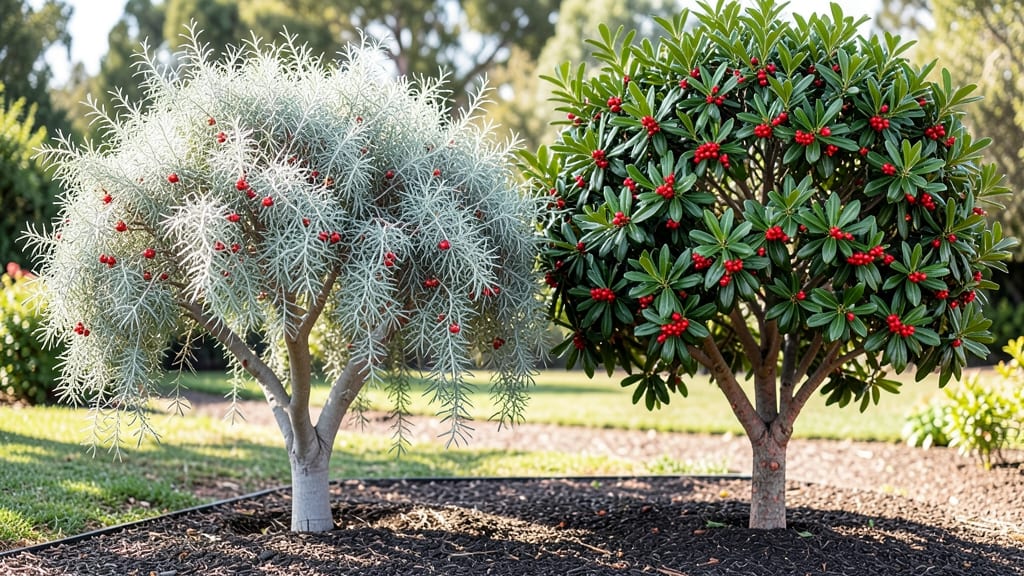
Deciding between a California pepper tree and a Brazilian pepper tree can feel like choosing between two very different personalities—one’s a steady, sun-loving neighbor, while the other’s a fast-growing, drought-tough wildcard. 🌿 Both belong to the Schinus family, but their growth habits, pruning needs, and even their fruit (yes, those red berries!) tell very different stories for your landscape.
The California pepper tree (Schinus molle) grows into a 30- to 50-foot shade tree with a rounded canopy, perfect for Mediterranean climates (USDA Zones 8–11).
It’s slower-growing but easier to shape—prune in late winter or early spring to encourage dense foliage and avoid those messy red berries if you dislike them.
Meanwhile, the Brazilian pepper tree (Schinus terebinthifolius) is a 20- to 40-foot evergreen with a more irregular shape, thriving in Zones 9–11 and spreading aggressively if unchecked.
Here’s the kicker: the Brazilian’s fast growth (up to 3 feet per year!) makes it a favorite for quick shade, but its invasive tendencies and toxic berries (to pets and wildlife) demand stricter pruning and monitoring.
The California, however, is non-invasive, drought-tolerant once established, and its berries are edible (though not delicious). Both hate wet feet—plant in well-draining soil and prune to improve airflow, but the Brazilian needs more aggressive shaping to control its wild side.
Your choice hinges on priorities: low-maintenance elegance (California) or fast, rugged growth (Brazilian). Either way, prune after flowering to shape without sacrificing next year’s berries—or future headaches. Let’s break down the trade-offs so you can pick the right tree for your yard’s vibe.
The first product explained
Meet the California Pepper Tree (Schinus molle)—a stunning, sun-loving evergreen that’s as tough as it is beautiful! 🌿✨ Known for its vibrant red berries, feathery foliage, and adaptability, this tree is a favorite among homeowners and landscapers in warm climates. Whether you're looking to add shade, curb appeal, or a pop of color to your yard, the California Pepper Tree delivers year-round.
📏 Specs & Features
Here’s what makes this tree a standout:
- Mature Height: 20–30 feet (though it can be pruned to stay smaller)
- Spread: 15–25 feet (wide and rounded canopy)
- Growth Rate: Moderate (1–2 feet per year)
- Sunlight Needs: Full sun (6+ hours daily)
- Soil Tolerance: Drought-resistant; thrives in well-draining soil (sandy, loamy, or clay)
- Hardiness Zones: 8–11 (perfect for California, Arizona, and beyond!)
- Berries: Bright red, edible (when fully ripe), and a hit with birds 🐦
- Foliage: Fern-like leaves with a silvery underside
🎯 Target Users
This tree is ideal for:
- Homeowners in warm, dry climates looking for low-maintenance shade.
- Landscapers designing Mediterranean or desert-style gardens.
- Bird enthusiasts who want to attract wildlife without invasive species.
- Urban gardeners with limited space (can be pruned into a small tree or shrub).
- DIY pruners who enjoy shaping their trees for aesthetic or functional purposes (e.g., clearing walkways).
💰 Price Point & Availability
Prices vary based on size and supplier, but here’s a general range:
| Size | Price Range (USD) | Best For |
|---|---|---|
| 1–3 gallon (small) | $40–$80 | New plantings or container growing |
| 15–25 gallon (medium) | $150–$300 | Mature landscaping projects |
| Balled & Burlapped (large) | $400–$800+ | Established yards needing instant shade |
Pro Tip: 💡 Buy from local nurseries to support your community and ensure the tree is acclimated to your climate!
Available year-round at most garden centers, with spring being the best time to plant for optimal growth.
The second product explained
Meet the Brazilian Pepper Tree (Schinus terebinthifolius)—a fast-growing, drought-tolerant powerhouse that’s stealing the spotlight in sunny climates! 🌿✨ While it may look similar to its California cousin at first glance, this tree packs a punch with its vibrant red berries, glossy foliage, and aggressive growth habits. Let’s break down what makes it a standout (and sometimes controversial) choice for landscaping.
🌱 Key Specs & Features
Here’s what you need to know about the Brazilian Pepper Tree:
- Growth Rate: Rapid—expect 3–6 feet per year in ideal conditions! 🚀
- Mature Height: 20–40 feet (can tower over your California Pepper Tree if left unchecked).
- Spread: 15–30 feet wide, with a dense, rounded canopy that provides ample shade.
- Foliage: Dark green, compound leaves (7–9 leaflets) that stay lush year-round in warm climates.
- Flowers & Fruit: Tiny white flowers in spring, followed by bright red berries (edible but not as flavorful as California pepper). 🍒
- Hardiness Zones: Thrives in USDA Zones 9–11—perfect for Florida, Southern California, and beyond.
- Soil Tolerance: Adaptable but prefers well-draining soil and hates waterlogged roots.
- Drought Resistance: Once established, it’s highly drought-tolerant, making it a low-maintenance star.
🎯 Who’s It For?
The Brazilian Pepper Tree is ideal for:
- 🌞 Homeowners in warm climates who want a fast-growing shade tree with year-round color.
- 🐝 Wildlife enthusiasts—its berries attract birds and small mammals (though they’re not a substitute for native plants).
- 🏡 Landscapers & urban planners looking for a low-maintenance alternative to California Pepper Trees (but beware—it’s invasive in some areas!).
- 🚫 Not recommended for:
- Regions with frost (it’s not cold-hardy).
- Areas where invasive species are a concern (it’s banned in some states like Florida!).
- Gardeners who prefer edible peppers—this tree’s fruit is mildly spicy but lacks the bold flavor of California pepper.
💰 Price Point & Availability
Pricing varies based on size and supplier, but here’s a general range:
| Size | Price Range (USD) | Where to Buy |
|---|---|---|
| 1–3 gallon (small) | $30–$60 | Local nurseries, Home Depot, Lowe’s |
| 15–25 gallon (mature) | $150–$300+ | Specialty tree farms, online retailers (e.g., Fast-Growing-Trees.com) |
| Balanced Burlap (for landscaping) | $200–$500+ | Bulk suppliers, municipal tree programs |
Pro Tip: 💡 If you’re planting in an invasive-prone area, check local regulations—some states prohibit sale or planting of Brazilian Pepper Trees!
Head-to-head comparison
🌿 Growth Habit & Size
The California pepper tree (Schinus molle) and Brazilian pepper tree (Schinus terebinthifolius) may share a name, but their growth habits couldn’t be more different! Let’s break it down:
| Feature | California Pepper Tree | Brazilian Pepper Tree |
|---|---|---|
| Mature Height | 20–30 ft (6–9 m) | 15–40 ft (4.5–12 m) – can be much taller if unchecked! |
| Spread (Canopy Width) | 15–25 ft (4.5–7.5 m) – broad, rounded shape | 10–20 ft (3–6 m) – denser, more upright when young, but can spread aggressively |
| Growth Rate | Moderate (1–2 ft/year) | Fast! (2–3 ft/year) – can become overwhelming quickly |
| Invasiveness | Non-invasive, well-behaved in most climates | Highly invasive in Florida and other warm regions – can form thickets! |
💡 Pro Tip: If you’re in a warmer climate (like Florida or Southern California), the Brazilian pepper tree’s rapid growth and invasiveness might make it a pruning nightmare. The California pepper tree, however, is a chill (pun intended) and easier to manage!
🌱 Leaf Structure & Pruning Needs
Pruning isn’t just about cutting branches—it’s about understanding how a tree’s leaves and structure respond. Here’s how these two differ:
| Feature | California Pepper Tree | Brazilian Pepper Tree |
|---|---|---|
| Leaf Type | Compound leaves (fern-like, delicate) | Simple, leathery leaves – tougher and shinier |
| Pruning Frequency | 2–3 times per year (light maintenance) | 3–4 times per year (aggressive pruning needed to control spread) |
| Best Pruning Time | Late winter/early spring (before new growth) | Year-round (but avoid heavy pruning in summer to prevent stress) |
| Pruning Challenges | Sap can be sticky but not overly aggressive | Sap is highly irritating (can cause skin rashes!) – wear gloves! |
🔥 Hot Tip: The Brazilian pepper tree’s leathery leaves mean it holds onto branches longer after pruning. If you’re shaping it, be prepared for stubborn regrowth—patience (and shears) are key!
🌳 Hardiness & Climate Suitability
Not all pepper trees thrive in every climate. Here’s where each excels (or struggles):
| Factor | California Pepper Tree | Brazilian Pepper Tree |
|---|---|---|
| USDA Hardiness Zones | Zones 9–11 (tolerates mild frosts down to 20°F/-6°C) | Zones 10–11 (no frost tolerance – dies back in cooler areas) |
| Drought Tolerance | Highly drought-tolerant once established | Moderate – prefers consistent moisture but can adapt |
| Salt Tolerance | Excellent (great for coastal areas) | Poor – sensitive to salt spray |
| Wind Resistance | Strong, flexible branches (ideal for windy areas) | Weaker structure – can snap in storms if not pruned properly |
✨ Genius Hack: If you live in Zone 8 or cooler, the California pepper tree is your only safe bet. The Brazilian pepper tree? Stick to Florida or Southern California—or risk losing it to winter!
💰 Cost & Maintenance
Budget matters! Let’s talk upfront costs and long-term upkeep:
| Cost Factor | California Pepper Tree | Brazilian Pepper Tree |
|---|---|---|
| Purchase Price (5-gallon pot) | $40–$80 | $30–$60 (often cheaper but riskier) |
| Pruning Tool Costs | Standard shears ($20–$50) – sap is manageable | Heavy-duty pruners ($50–$100+) – sap is aggressive! |
| Long-Term Maintenance | Low – minimal pruning needed | High – constant vigilance to prevent invasiveness |
| Landscaping Versatility | High (great for hedges, streetscapes, or specimen trees) | Moderate (better for privacy screens but risks spreading) |
🎯 Money-Saving Tip: If you’re not in a warm climate, skip the Brazilian pepper tree—it’s a false economy. The California pepper tree is worth the extra $10 for its reliability!
🛡️ Pest & Disease Resistance
Which one should you choose?
So, which pepper tree is the right fit for you? The answer depends on your priorities—whether it’s low-maintenance growth, landscape versatility, or ecological concerns. Here’s a quick verdict to help you decide:
🌳 Choose the California Pepper Tree if...
- You want fast, lush growth—it thrives in dry climates and spreads quickly, making it ideal for privacy screens or windbreaks.
- You prefer a tree with minimal pruning needs—its natural shape is dense and rounded, so it requires less aggressive shaping than its Brazilian cousin.
- You’re in a fire-prone area—its fire-resistant bark and drought tolerance make it a safer bet for wildfire-prone regions.
- You’re okay with invasive tendencies—while not as aggressive as the Brazilian pepper, it can still spread if not managed.
🌿 Choose the Brazilian Pepper Tree if...
- You need a tree with bold, sculptural potential—its tight, columnar shape is perfect for formal gardens or urban landscaping.
- You’re up for regular pruning—its faster growth rate means more frequent trimming to maintain its desired form.
- You’re in a humid, subtropical climate—it handles heat and moisture better than the California pepper.
- You prioritize wildlife support—its berries attract birds and provide year-round interest.
- You’re not in Florida or the Southeast—this tree is highly invasive in those areas and should be avoided.
💡 Pro Tip: If you’re unsure about invasiveness, check your local regulations—some areas ban or restrict the Brazilian pepper tree! For a safer, equally stunning option, the California pepper is a great alternative.
🌟 Final Thought: Both trees are stunning, but your choice should align with your climate, maintenance tolerance, and ecological goals. Need a low-fuss, fire-resistant tree? Go California. Craving a structured, high-impact specimen? Brazilian’s your pick—just be ready to prune!