
Flowers
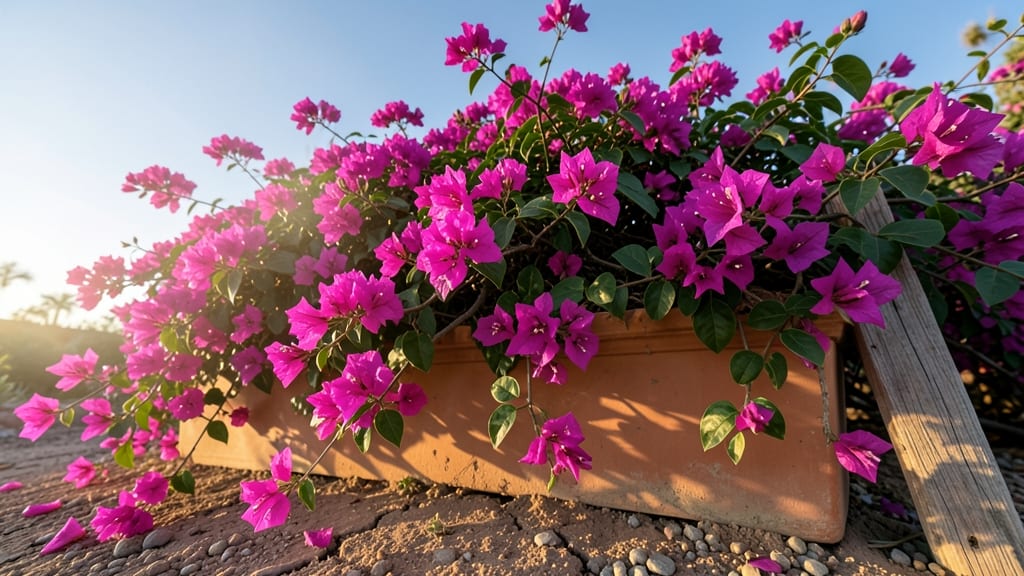
Southern California’s sunny climate demands purple flowering trees that tolerate heat, drought, and poor soil. These 10 stunning varieties bring vibrant color year-round while requiring minimal care—perfect for landscaping, shade, and pollinator-friendly gardens.
Jacaranda Mimosaeifolia for Dramatic Purple Canopy
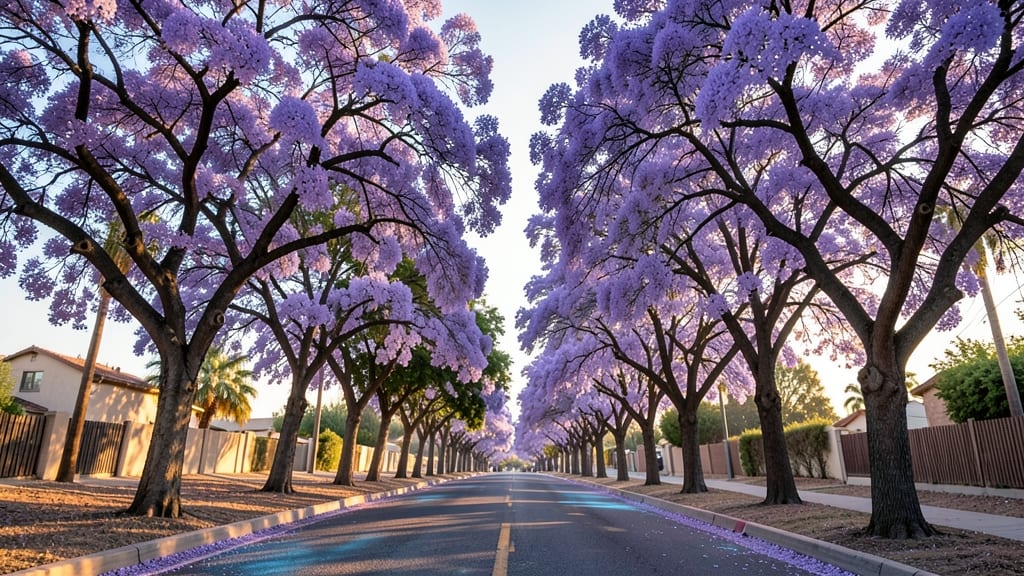
Imagine a Southern California street lined with trees that explode into a cascading purple canopy every spring—this is the magic of the Jacaranda mimosaeifolia. Unlike other purple bloomers, its dramatic display lasts 3-4 weeks, turning neighborhoods into dreamy lavender clouds.
This drought-resistant tree thrives in full sun and well-drained soil, making it perfect for urban landscapes where water conservation matters. Once established, it requires little maintenance beyond occasional pruning to shape its broad, rounded form. Plant it as a focal point in large yards or along driveways for maximum impact.
Urban gardeners and homeowners craving low-maintenance color will love this tree—it’s the star of spring without the fuss of high-water needs. 🌻
Lagerstroemia Indica (Crape Myrtle) for Season-Long Purple Blooms
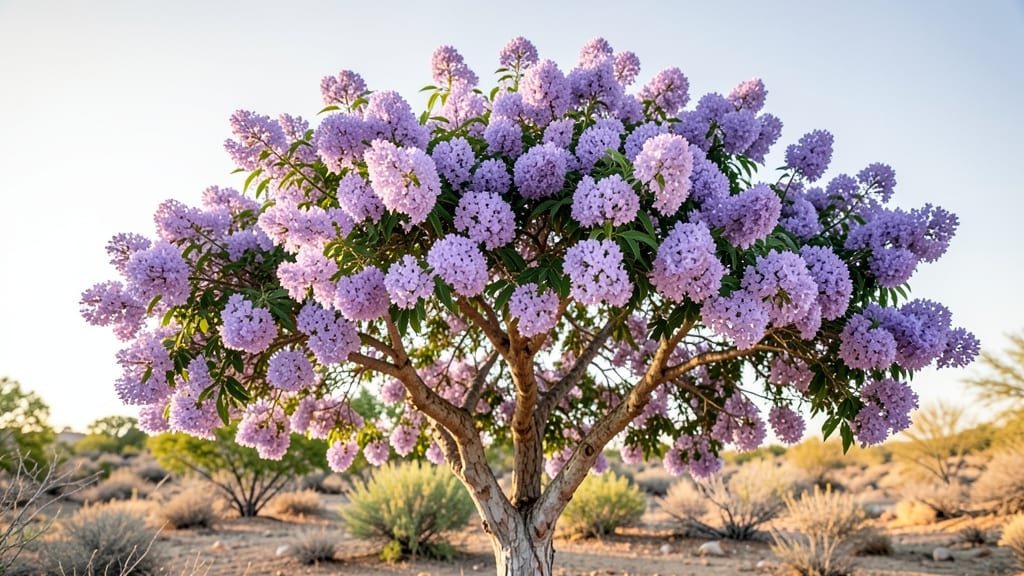
If you love a tree that delivers lavender-purple blooms from summer through fall without demanding constant attention, Crape Myrtle (Lagerstroemia indica) is your perfect match. Unlike spring-blooming trees, this small tree extends its floral show for months, making it a standout in any Southern California landscape.
Crape Myrtles thrive in full sun to partial shade and are drought-tolerant once established, requiring only occasional watering. Their peeling bark adds winter interest, and they adapt to various soil types, including urban environments with poor drainage. For best results, prune lightly after blooming to maintain shape and encourage next year's flowers.
This versatile tree works beautifully as a focal point in low-water gardens or tucked into mixed borders for layered color. Gardeners in urban areas or small yards will appreciate its compact size and minimal maintenance—ideal for those who want stunning blooms without the fuss. 🌻
Erythrina Indica (Coral Tree) for Fast-Growing Purple Flowers
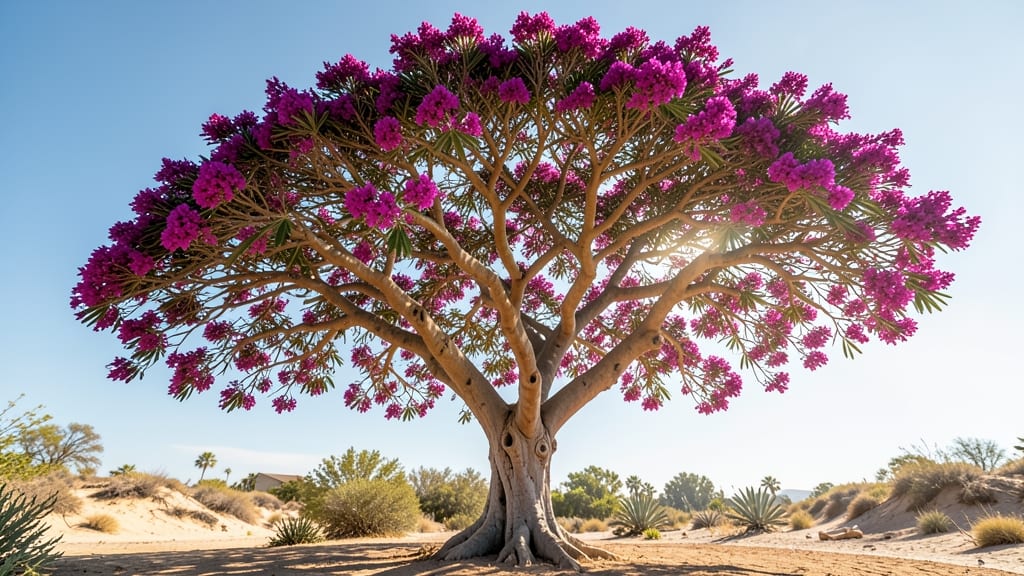
Looking for a fast-growing purple tree that thrives in Southern California’s toughest conditions? The Erythrina indica (Coral Tree) delivers fuchsia-purple blooms in just 2-3 years, making it one of the quickest options for instant color. Unlike fussy trees, it tolerates poor soil, coastal winds, and even drought once established—ideal for urban or coastal gardens where other plants struggle.
This tropical beauty thrives in full sun to partial shade, reaching 20-30 feet tall with a spread of 15-20 feet. Its bright red seed pods add visual interest after blooming, and the lightweight foliage makes it perfect for windy areas. Plant it as a fast shade provider under patios or near pools, or use it to create a tropical-style focal point in mixed borders.
Gardeners in hot climates love the Coral Tree for its low-maintenance nature—just prune lightly after flowering to shape it. It’s especially great for beginners or small spaces where you want quick results without high upkeep. 🌻
Cercis Canadensis (Eastern Redbud) for Early Spring Purple
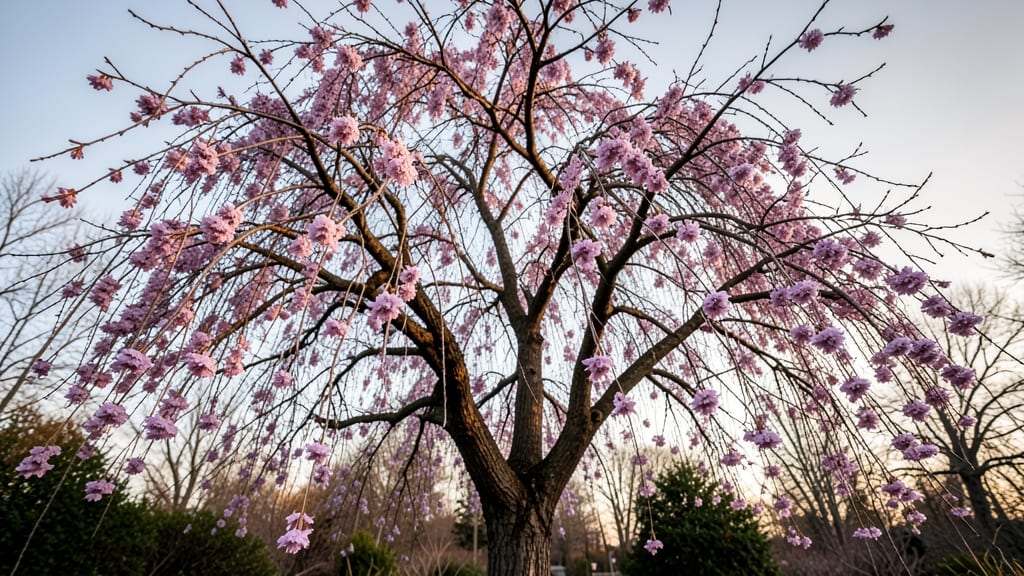
If you're craving color before most gardens even wake up, the Eastern Redbud (Cercis canadensis) delivers a dazzling early spring show with its delicate lavender-pink blooms. This native North American tree is one of the first to burst into color, often appearing in late winter or early spring when few other plants are in bloom.
What makes it perfect for Southern California gardens is its compact size—typically reaching 20-30 feet tall—making it ideal for small urban yards, container planting, or as a striking focal point in mixed borders. It thrives in full sun to partial shade and tolerates a range of soil types, though it prefers well-drained soil. The heart-shaped leaves add to its charm, emerging after the flowers and creating a lush canopy throughout the growing season.
Urban gardeners and small-space enthusiasts will love how this tree brings early color without overwhelming the landscape. Plus, its adaptability makes it a low-maintenance choice that still delivers high visual impact. 🌷
Lilac (Syringa Vulgaris) for Fragrant Purple Clusters
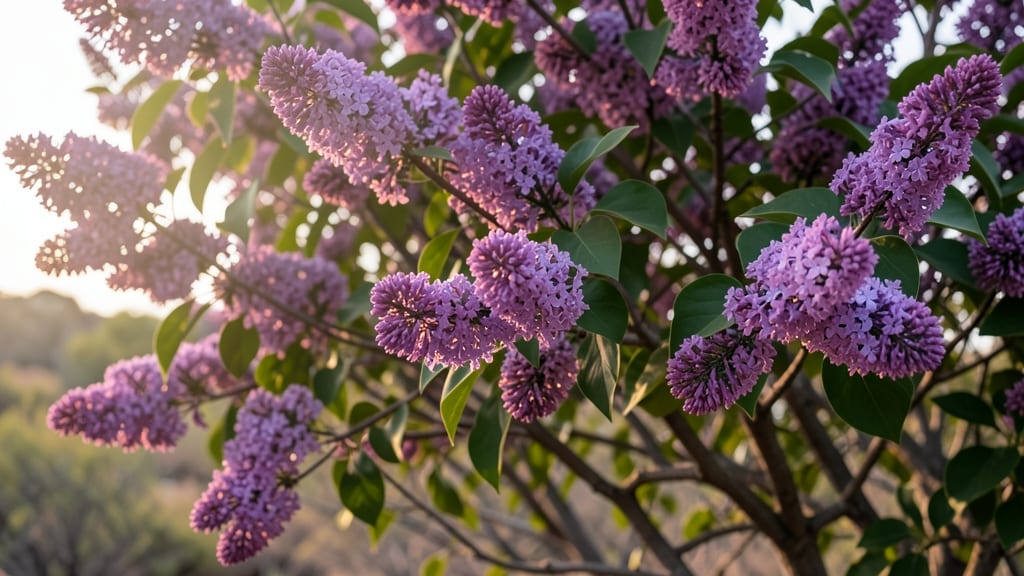
If you crave a garden that smells as good as it looks, lilac (Syringa vulgaris) is your perfect match. This classic shrub bursts into fragrant purple clusters every spring, filling the air with a sweet, intoxicating scent that rivals any tropical bloom—without requiring the same intense sun.
Unlike many flowering trees, lilacs thrive in partial shade and well-drained soil, making them ideal for Southern California’s microclimates where full sun can be harsh. Prune lightly after blooming to maintain shape and encourage next year’s flowers, and watch as they create a natural privacy screen or cottage garden focal point. Their hardiness also means they’ll return year after year with minimal care.
Perfect for gardeners who love nostalgia and fragrance, lilacs bring old-world charm to modern landscapes. They’re especially great for urban yards or small gardens where space is limited but scent is abundant. 💚
Wisteria (Wisteria Sinensis) for Climbing Purple Cascades
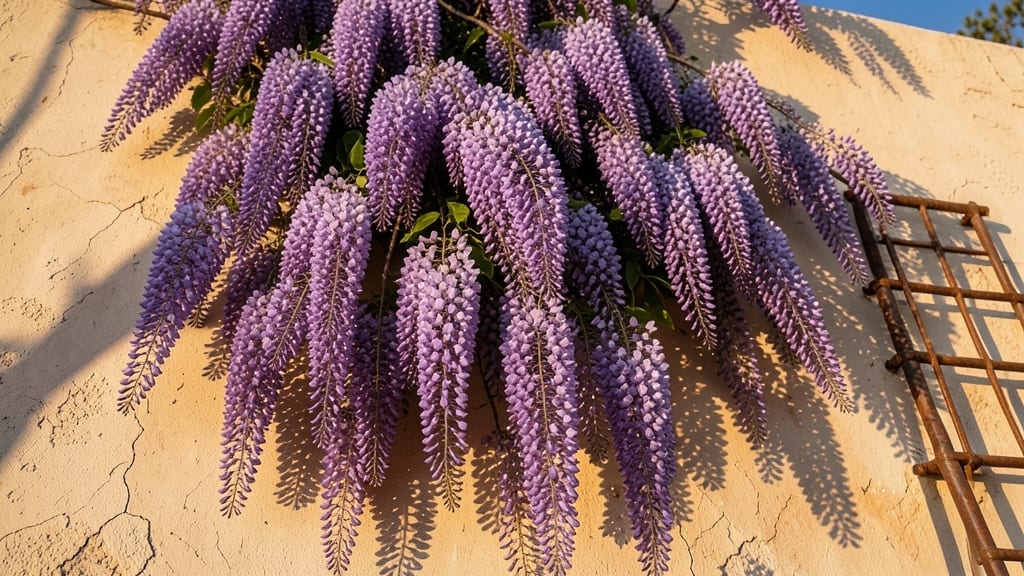
Transform a blank wall or fence into a purple waterfall with Wisteria sinensis, a vigorous climber that thrives in Southern California’s heat once established. Unlike other flowering vines, it’s remarkably drought-tolerant after its first year, making it a low-maintenance star for vertical gardens.
Plant it near a sturdy trellis, arbor, or pergola in full sun to encourage those iconic cascading racemes of fragrant purple blooms in late spring. Prune aggressively in winter to control its sprawling growth and redirect energy toward more flowers. The key to success? Patience—it takes 2-3 years to fully bloom, but the payoff is worth it.
Perfect for gardeners with limited space or those craving a romantic, old-world charm without the high water bills. Just be prepared for its relentless growth—this vine will climb anything in its path! 🌷
Plumeria Rubra (Fringe Tree) for Heat-Loving Purple Flowers
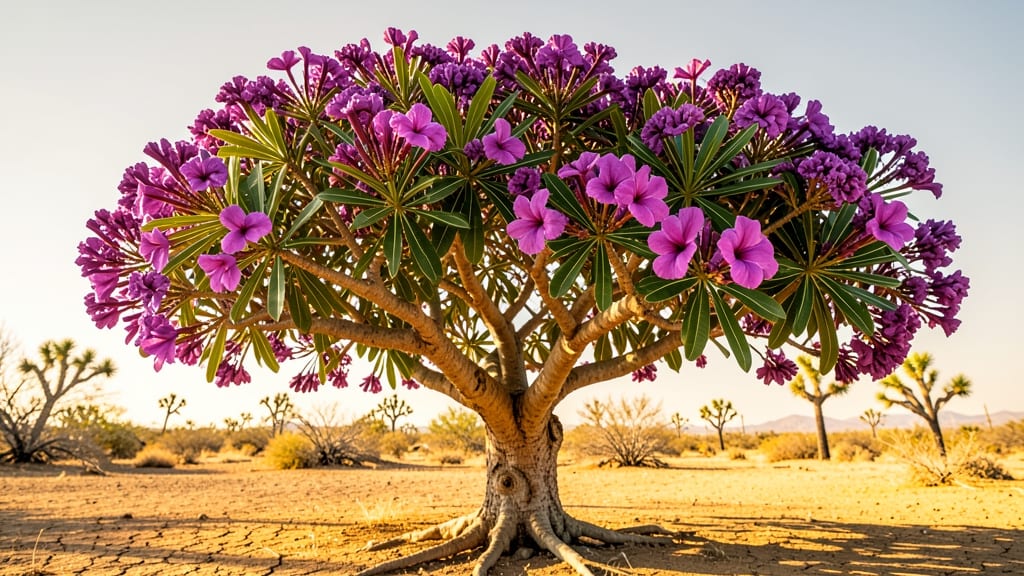
If you're craving a fragrant, heat-loving tree that thrives in Southern California's arid conditions, Plumeria rubra (often called Fringe Tree) delivers stunning purple blooms with minimal fuss. Unlike other purple trees that need constant watering, this native beauty thrives in full sun and well-drained soil—making it perfect for desert landscapes or coastal gardens.
The late-spring blooms are not only visually striking but also emit a sweet, tropical fragrance that attracts pollinators. Prune lightly after flowering to encourage bushier growth, and avoid overwatering—this drought-tolerant tree stores water in its thick trunk. Its glossy leaves add lush contrast to xeric gardens, while its compact size (10–20 feet) makes it ideal for small yards or containers.
Gardeners in USDA Zones 9–11 will love how Plumeria rubra brings exotic charm without the high maintenance. Perfect for those who want low-water, high-impact color in their landscapes! 🌻
Callistemon Citrinus (Bottlebrush) for Drought-Resistant Purple Spikes
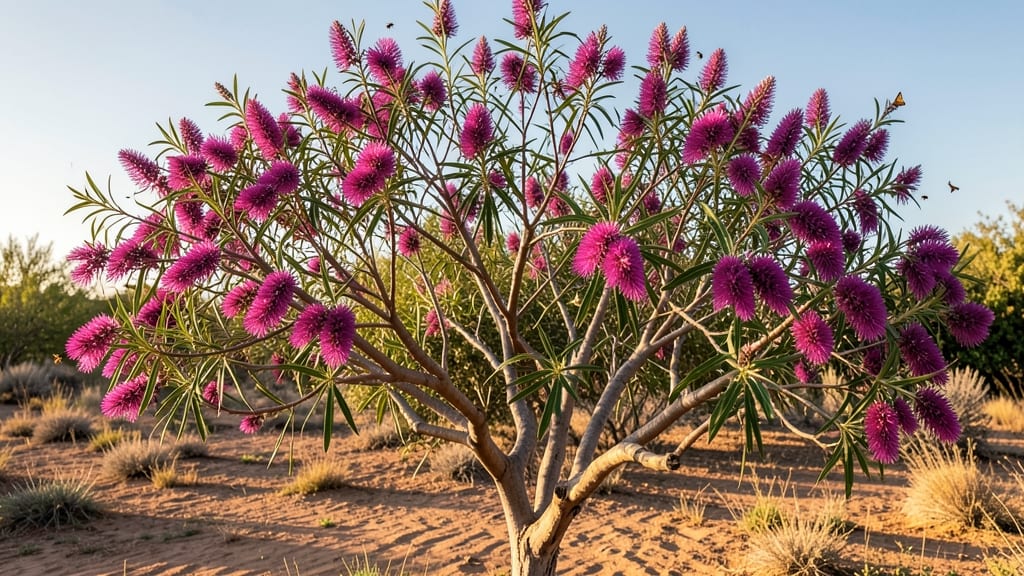
If you're craving year-round purple blooms that thrive in Southern California’s heat without constant watering, Callistemon Citrinus (Bottlebrush) is your answer. This Australian native delivers drought-resistant purple bottlebrush flowers that attract bees and butterflies while requiring minimal effort once established.
Thriving in full sun and well-drained soil, Bottlebrush grows 6–12 feet tall with striking needle-like foliage and cylindrical flower spikes that bloom continuously in warm climates. Prune lightly after flowering to maintain shape, and watch pollinators flock to your garden. It’s perfect for low-water landscapes, hedges, or as a focal point in Mediterranean-style gardens.
This hardy shrub-like tree is ideal for urban gardeners, pollinator enthusiasts, and beginners—it’s nearly indestructible once planted. 🌻
Lagerstroemia Faurei (Crape Myrtle Hybrid) for Compact Purple Beauty
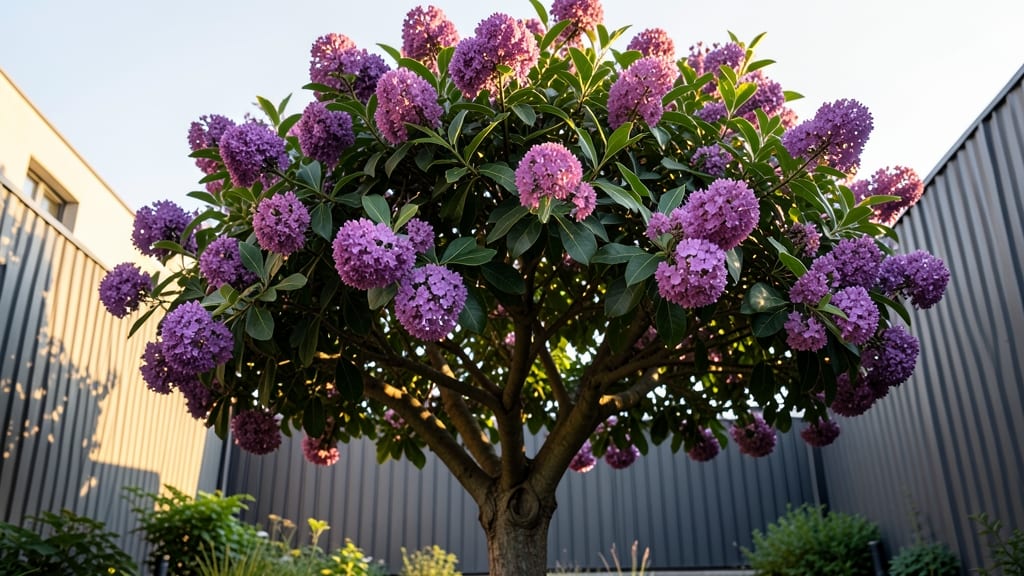
When space is limited but you crave year-round interest, Lagerstroemia faurei delivers compact beauty without sacrificing drama. This hybrid crape myrtle tops out at just 8-10 feet—perfect for urban courtyards, narrow beds, or as a living privacy screen along fences.
Its dense purple blooms appear from summer through fall, while the exfoliating bark adds striking texture in winter. Unlike its larger cousins, this variety thrives in USDA Zones 7-10 with minimal pruning, making it ideal for Southern California’s climate. Plant in full sun with well-drained soil for the best color intensity.
Urban gardeners and small-space planners will love how this tree combines four-season interest with low-maintenance care. Its compact size also makes it perfect for container growing in large pots. 🌻
Bougainvillea Spectabilis for Year-Round Purple Foliage

Want a purple flowering powerhouse that thrives in Southern California’s heat without guzzling water? Bougainvillea Spectabilis delivers vibrant color year-round—not just in spring or summer, but all seasons—making it the ultimate low-maintenance choice for containers, trellises, or even as a small tree.
This versatile vine (often trained as a tree) loves full sun and well-drained soil, making it perfect for urban patios, balconies, or Mediterranean-style gardens. Its papery purple bracts bloom continuously when given minimal water once established, and its thorny stems deter pests naturally. For best results, prune after flowering to shape it and encourage bushier growth—just avoid heavy pruning in winter when it’s dormant.
Ideal for urban gardeners, small-space planners, and container lovers, Bougainvillea brings bold color with almost no effort. Plus, its drought tolerance makes it a water-wise superstar for Southern California landscapes. 💚