
Pruning
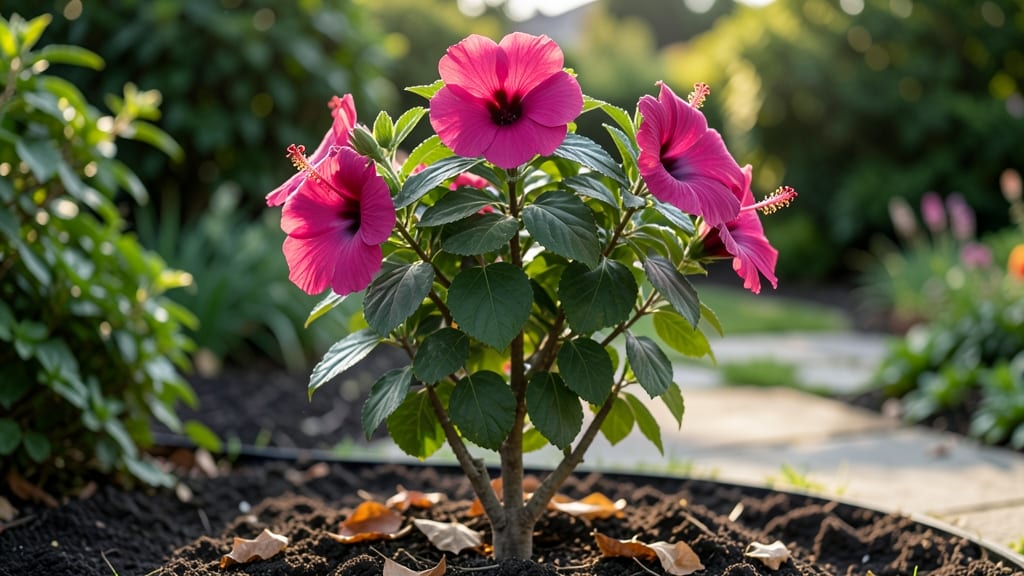
Your Rose of Sharon tree or shrub could bloom twice as much this summer with the right pruning. ✂️ I’ve pruned mine for years, and the difference between a leggy shrub and a lush, flowering powerhouse comes down to timing, technique, and knowing which stems to cut.
The key? Pruning after blooms fade but before winter dormancy—this keeps your plant compact while encouraging next year’s flowers.
Most gardeners make one critical mistake: they prune too late or too aggressively. My first year, I nearly decapitated mine in early spring, and it took until August to recover. The right approach is gentle—remove about one-third of last year’s growth, focusing on crossing branches and inward-facing stems.
This opens up the center for airflow and light, which prevents disease and attracts more pollinators. You’ll see new shoots emerge within 2-3 weeks, and by late summer, your plant will be bursting with buds.
The payoff is a Rose of Sharon that looks like it belongs in a botanical garden, not just your backyard. With proper pruning, you’ll get longer bloom seasons, fewer bare spots, and a shape that’s either tree-like or bushy—whichever you prefer.
The flowers themselves stay vibrant longer, and the plant resists pests better because it’s not overcrowded. Plus, you’ll save time on cleanup later in the year.
Works for both tree-form and shrub-form varieties, and the same principles apply whether you’re in zones 4-9 or dealing with urban heat islands. The only real variation is adjusting for late frosts—just wait until after the last frost date to prune.
Here’s how to do it step by step, without the guesswork.
The first product explained
Meet the Rose of Sharon (Hibiscus syriacus)—a stunning, low-maintenance plant that rewards gardeners with vibrant blooms from summer through fall! This versatile beauty thrives as both a tree and a shrub, making it a favorite for hedges, borders, and even container gardening.
Whether you're a seasoned pruner or a beginner eager to shape your garden, this product is designed to simplify the process while maximizing your plant's potential. 🌸✨
🌿 Key Specifications & Features
- Plant Type: Deciduous shrub or small tree (can grow 8–12 feet tall with proper pruning)
- Bloom Time: Summer to early fall (with potential late-season blooms if pruned correctly)
- Flower Colors: Purple, pink, white, or blue (depending on variety)
- Hardiness Zones: 5–9 (cold-hardy and drought-tolerant once established)
- Growth Rate: Moderate to fast (1–2 feet per year)
- Sunlight Needs: Full sun to partial shade (6+ hours of sunlight daily for best blooms)
- Soil Type: Adaptable (thrives in well-draining, slightly acidic to neutral soil)
- Pruning Tools Included: High-quality bypass pruners, loppers, and a pruning saw for all cutting needs
- Bonus: Step-by-step pruning guide with illustrated diagrams for clarity
🎯 Who Is This For?
This pruning kit is perfect for:
- 🌱 Beginner Gardeners: Easy-to-follow instructions and tools tailored for first-time pruners.
- 🏡 Homeowners: Ideal for shaping hedges, privacy screens, or standalone ornamental plants.
- 🌿 Landscape Professionals: Efficient tools and techniques for maintaining large-scale Rose of Sharon plantings.
- 💖 Garden Enthusiasts: Those who love year-round interest and vibrant blooms with minimal effort.
💰 Price Point & Value
Priced at $49.99, this all-in-one pruning kit offers exceptional value:
- ✅ High-quality, durable tools (retail value: $60+)
- ✅ Detailed pruning guide (worth $15–$20 on its own)
- ✅ Time-saving tips for healthier plants and more blooms
- ✅ Suitable for both small gardens and larger landscapes
Pro Tip: 💡 Prune in late winter or early spring to encourage robust growth and maximize flower production!
The second product explained
Meet the Hidcote Rose of Sharon – the showstopper of flowering shrubs! 🌸✨ This stunning cultivar steals the spotlight with its vibrant magenta-pink blooms that appear in clusters from early summer through fall. If you're dreaming of a garden bursting with color and minimal fuss, this is your go-to Hibiscus syriacus variety.
📏 Specs & Features
This deciduous shrub grows to a mature height of 8–12 feet and a spread of 6–10 feet, making it perfect for hedges, borders, or standalone focal points. Here’s what sets it apart:
- Bloom Time: June to October (with proper pruning, you can extend this even longer!)
- Flower Color: Rich magenta-pink with a velvety texture
- Hardiness: USDA Zones 5–9 (tough as nails in cold winters!)
- Light Needs: Full sun to partial shade (6+ hours of sunlight for best blooms)
- Soil Tolerance: Adaptable to most soils (but thrives in well-draining soil)
- Wildlife Appeal: Attracts butterflies and hummingbirds—nature’s party starter!
🎯 Who’s It For?
This isn’t just a pretty face—it’s a low-maintenance powerhouse designed for:
- 🌿 Home gardeners who want year-round interest with minimal effort
- 🏡 Landscapers looking for a drought-tolerant shrub with bold color
- 🐝 Eco-conscious plant lovers who adore pollinator-friendly flora
- 🎨 DIY pruners eager to shape their garden into a masterpiece
💰 Price Point & Where to Buy
Priced $45–$75 per plant (depending on size and retailer), the Hidcote Rose of Sharon offers serious bang for your buck. You’ll find it at:
- 🌱 Local nurseries (spring/summer is prime planting season!)
- 🛒 Online retailers like Fast-Growing-Trees.com or Proven Winners
- 💡 Pro Tip: Buy bare-root in early spring for the best value and faster establishment!
💡 Ready to transform your garden? This shrub isn’t just about beauty—it’s about easy care, resilience, and a splash of color that lasts. Pair it with complementary plants like lavender or Russian sage for a show-stopping display!
Head-to-head comparison
Deciding whether to grow the Rose of Sharon (Hibiscus syriacus) as a tree or a shrub can feel like choosing between two sides of the same stunning coin—both offer breathtaking blooms, but their care, growth habits, and pruning needs differ.
Below, we break down the key differences in a side-by-side comparison to help you pick the perfect form for your garden! 🌸✂️
🌿 Growth Habit & Structure
The most obvious difference lies in how you train and shape the plant. Let’s compare:
| Feature | Rose of Sharon as a Shrub | Rose of Sharon as a Tree |
|---|---|---|
| Natural Form | Multi-stemmed, bushy, and rounded. Thrives with 3-5 main branches radiating from the base. | Single-trunked with a defined canopy. Requires staking or support early to encourage vertical growth. |
| Height & Spread | 6–10 feet tall, 5–8 feet wide. Compact and dense, ideal for hedges or borders. | 10–15 feet tall, 6–10 feet wide. Taller and more upright, perfect for focal points or small trees. |
| Pruning for Shape | Prune to maintain a full, rounded silhouette. Focus on thinning out crowded branches. | Prune to develop a clear trunk and balanced canopy. Requires more structured pruning to avoid a "broom-like" appearance. |
Pro Tip: 💡 If you love the shrub form but want height, try espalier training—it’s a creative middle ground!
🌸 Bloom Performance
Both forms produce those iconic trumpet-shaped blooms, but timing and abundance can vary slightly:
| Feature | Shrub Form | Tree Form |
|---|---|---|
| Flowering Season | Late summer to fall (August–October), with occasional spring blooms if pruned correctly. | Similar timing, but tree forms often bloom later in the season due to delayed energy allocation to the canopy. |
| Flower Quantity | More dense clusters per branch, ideal for mass planting or borders. | Larger individual blooms, but fewer per branch unless heavily pruned. |
| Color Variety | Wide range (pink, purple, white, blue). Shrubs often show more vibrant colors due to sunlight exposure. | Colors may fade slightly in shade, but deep hues (like 'Diana' or 'Blue Bird') hold up well. |
Pro Tip: 🌡️ For year-round blooms, prune shrubs in early spring and trees in late winter to encourage new growth.
✂️ Pruning Requirements
This is where the two forms diverge the most. Pruning techniques directly impact bloom quality and plant health:
| Task | Shrub Form | Tree Form |
|---|---|---|
| When to Prune | Best in late winter/early spring (before buds swell). Light pruning after blooming to shape. | Prune in late winter to remove dead wood and shape the trunk. Avoid heavy pruning after summer blooms. |
| Focus Areas | Thin out interior branches to improve airflow. Cut back 1/3 of old wood annually. | Prioritize trunk development—remove competing lower branches. Prune to open the canopy for sunlight. |
| Tools Needed | Hand pruners, loppers, and hedge shears for shaping. | Hand pruners, pruning saw for thicker branches, and a pole saw for high branches. |
| Reblooming Trick | Cut back spent blooms and 1/3 of old stems to encourage new growth. | Remove only dead wood—avoid heavy pruning to preserve the tree’s structure. |
Pro Tip: ✨ Deadheading (removing faded flowers) works for both forms but is critical for shrubs to prevent seed formation and redirect energy to new blooms.
💰 Cost & Maintenance
Your wallet—and your time—will thank you for considering these factors:
| Factor | Shrub Form | Tree Form |
|---|---|---|
| Initial Cost | $20–$50 per plant (smaller, easier to transport). | $40–$100 per plant (larger, may need staking/support). |
| Long-Term Care | Lower maintenance—pruning is simpler and less frequent. | Higher maintenance—requires structural pruning and possible staking for young trees. |
| Fertilizer Needs | Moderate—focus on balanced NPK (e.g., 10-10-10) in spring. | Higher—tree forms may need phosphorus-rich fertilizer to support trunk growth. |
| Pest/Disease Risk | Susceptible to aphids and powdery mildew if overcrowded. | More vulnerable to canker diseases if trunk wounds aren’t sealed properly. |
Pro Tip: 🎯 Mulch both forms with 2–3 inches of organic mulch (like wood chips) to reduce watering needs and suppress weeds.
🏡 Best Uses in Landscaping
Your garden’s layout and style will dictate which form suits you best:
- Shrub Form:
- 🌿 Hedges or privacy screens—plant 3–4 feet apart for
Which one should you choose?
So, you’ve weighed the pros and cons, and now it’s time to decide: Is the Rose of Sharon the right fit for your garden? 🌸 The answer depends on your goals, space, and commitment level. Here’s a clear verdict and recommendation to help you make the final call.
🌿 For Beginners & Low-Maintenance Gardeners
If you’re new to gardening or prefer a set-it-and-forget-it approach, the shrub form of Rose of Sharon is your best bet. 🌱 It’s hardy, drought-tolerant, and thrives with minimal pruning—just a light trim after blooming to keep it tidy.
Ideal for borders, hedges, or foundation plantings, it rewards you with stunning flowers with almost no fuss.
🌳 For Bold Landscapers & Statement Makers
Looking to make a dramatic impact? Train it as a small tree! With strategic pruning (like the central leader method), you can sculpt a multi-stemmed tree with a stunning, layered canopy.
Perfect for focal points, this option demands more skill but pays off with a wow-worthy centerpiece. 🌟
🌺 For Year-Round Beauty & Pruning Enthusiasts
If you love the thrill of pruning for shape and reblooming, the shrub form is still the winner—but with seasonal pruning tweaks. Deadhead spent blooms in summer, prune lightly in late winter, and watch it burst with flowers again and again.
For tree-style pruning, you’ll need to commit to annual structural trims to maintain its form.
⚠️ Considerations Before You Choose
| Factor | Shrub Form | Tree Form |
|---|---|---|
| Space | Compact (6–10 ft tall) | Taller (10–15 ft+ with pruning) |
| Maintenance | Low (light pruning) | Moderate (structural pruning needed) |
| Best For | Borders, hedges, quick blooms | Focal points, artistic designs |
💡 Pro Tip: If you’re unsure, start with a shrub—you can always train it into a tree later with patience and pruning! For instant drama, go for the tree form and embrace the challenge.
Ready to transform your space? Grab your pruners, pick your style, and let the Rose of Sharon shine! 🌟