
Trees
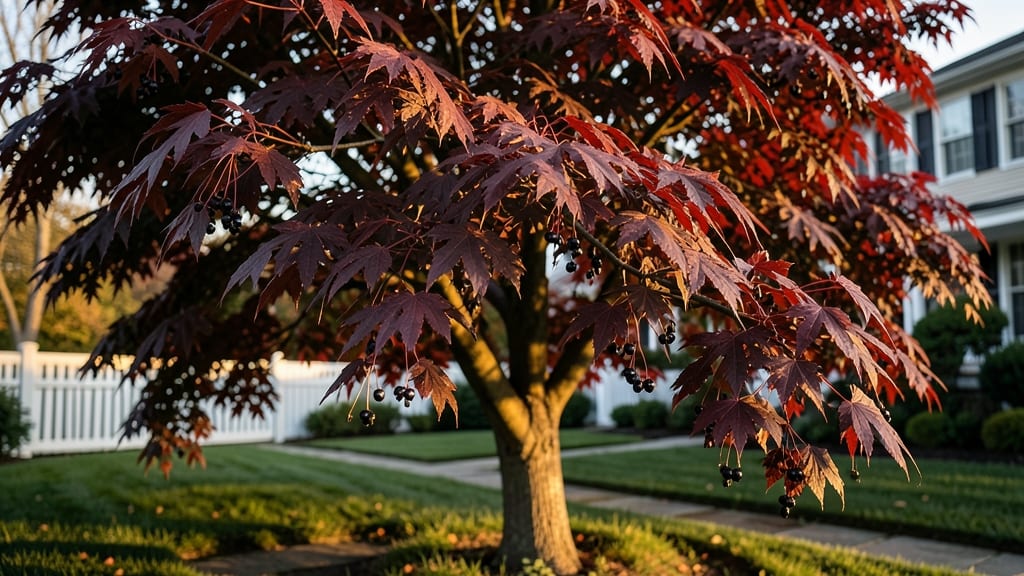
Searching for the perfect mulberry tree to grow in your garden? These 10 high-yield varieties deliver fast growth, disease resistance, and sweet berries perfect for fresh eating, jams, or wildlife support—ideal for both urban and rural spaces.
Illinois Everbearing Mulberry Tree
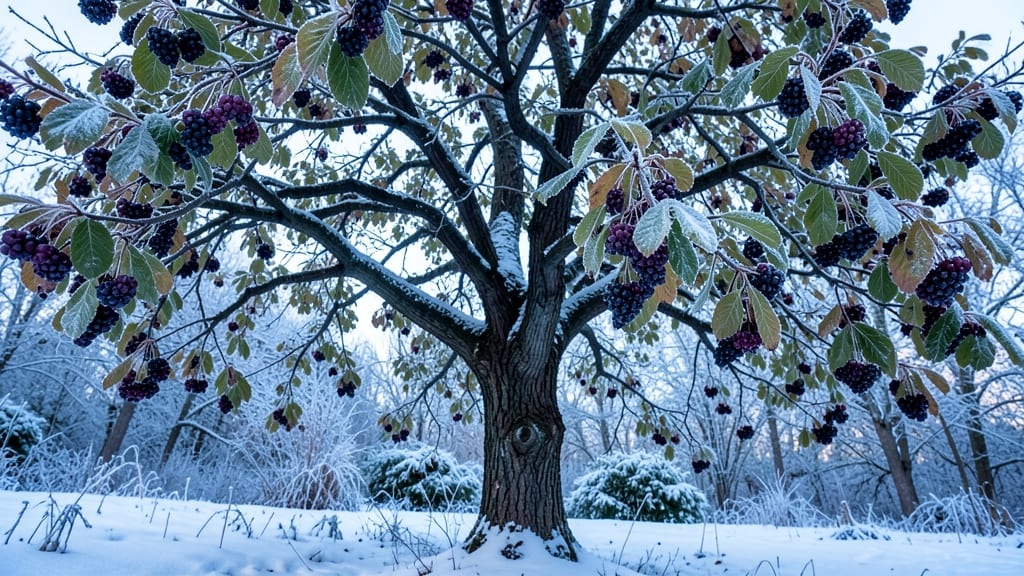
If you live in the Midwest or Northeast, where winter temperatures drop below 0°F, the Illinois Everbearing Mulberry Tree is your best bet for a reliable fruit harvest. Unlike most mulberries that struggle in cold climates, this variety thrives in USDA zones 4-9, producing two distinct harvests yearly—one in early summer and another in fall.
What sets it apart is its cold-hardy nature and prolific fruiting, even in challenging conditions. Plant it in full sun with well-drained soil, and expect deep purple berries that ripen in clusters, perfect for fresh eating, jams, or attracting wildlife. Prune lightly in late winter to encourage new growth and maximize fruit production.
This tree is ideal for gardeners in northern states who want year-round rewards without the fuss of tender varieties. 🌱
Black Beauty Mulberry Tree
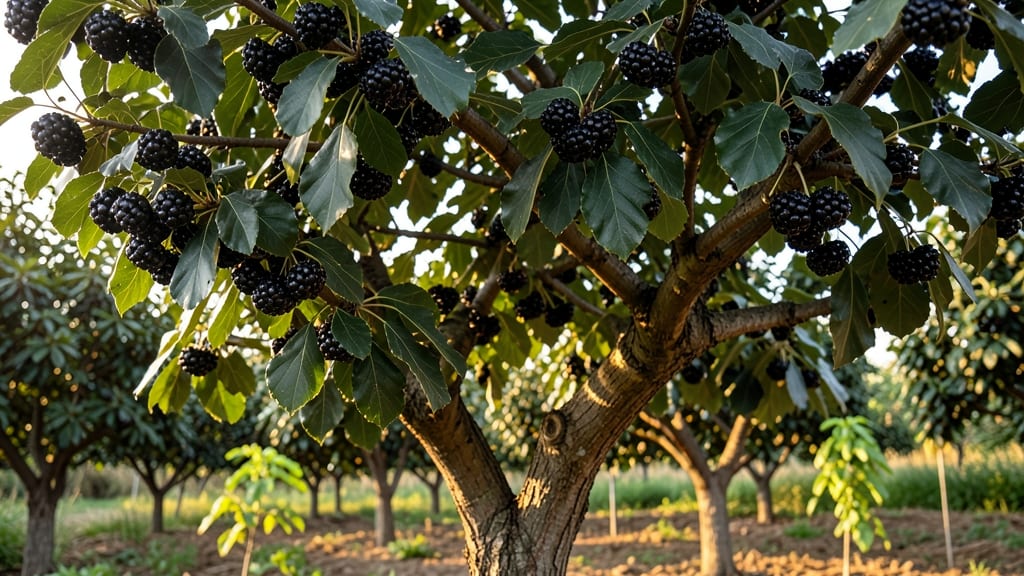
Tired of battling pests and diseases in your mulberry grove? The Black Beauty mulberry tree is the answer—its jet-black berries and near-impenetrable defenses make it a favorite for organic growers and commercial producers alike.
This variety thrives with minimal pest issues, thanks to its natural resistance to common mulberry diseases like powdery mildew and leaf spot. The berries, which ripen to a deep, glossy black, are packed with antioxidants and have a sweet-tart flavor perfect for fresh eating or processing. Plant in full sun with well-drained soil, and expect a tree that matures to 20-30 feet tall with a broad canopy.
Commercial growers love it for its high yield and low maintenance, while home gardeners appreciate its striking appearance and wildlife benefits. 🌱
Texas Everbearing Mulberry Tree
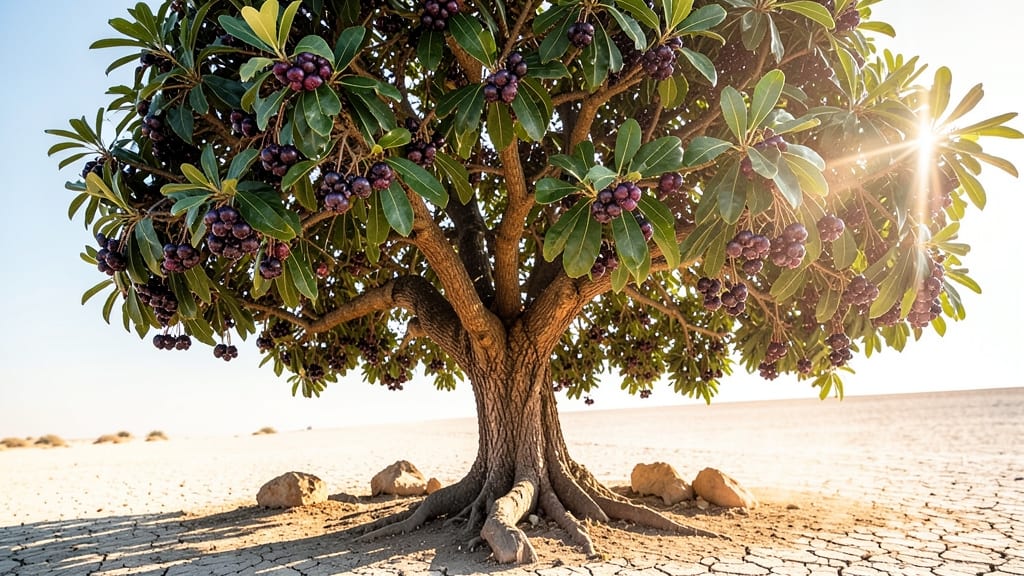
If you live in a hot, dry climate where other mulberries wilt, the Texas Everbearing Mulberry Tree is your game-changer. Unlike its cold-sensitive cousins, this variety thrives in 100°F+ heat and produces year-round fruit with minimal water once established—making it a drought-smart superstar.
This hardy tree develops deep roots to access moisture, reducing irrigation needs by up to 60% compared to traditional mulberries. Its berries ripen in two distinct seasons (spring and fall) and even produce sporadic harvests in winter with mild temperatures. For best results, plant in full sun with well-draining soil and expect a 20-foot spread—ideal for rural homesteads or large urban lots.
Southern gardeners and drought-prone regions will love this low-maintenance workhorse that keeps bearing even when other fruit trees struggle. 🌻
Red Mulberry Tree
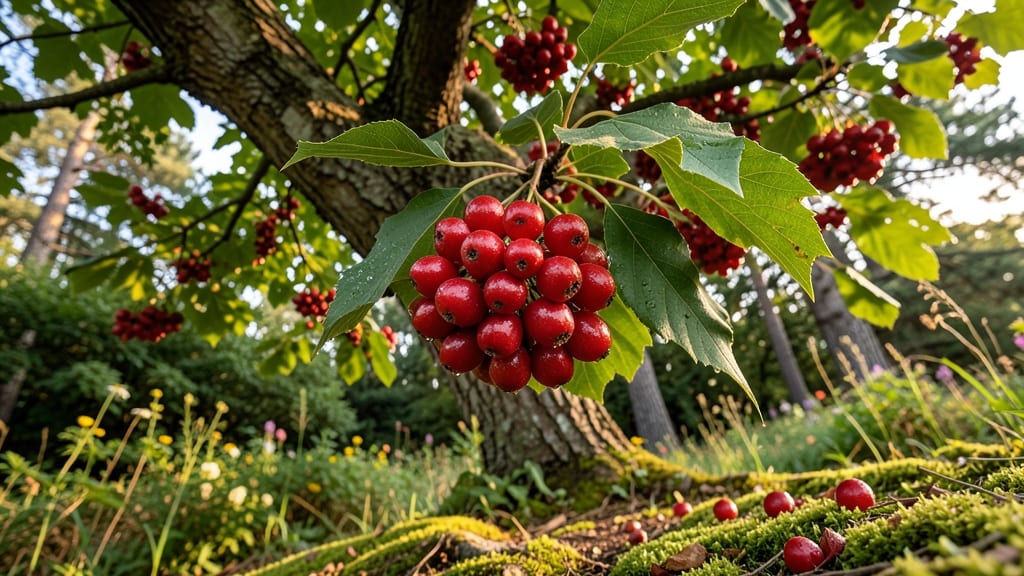
If you're looking for a native North American mulberry that doubles as a wildlife magnet and a culinary adventure, the Red Mulberry Tree (Morus rubra) is your answer. This underrated variety produces vibrant red berries that ripen in late summer, offering a sweeter, more complex flavor than its black or white counterparts—think tart raspberry with a hint of honey.
Native to eastern and central U.S. forests, this tree thrives in USDA zones 5-9 with minimal care, tolerating poor soil and drought once established. Its loose, airy branches create perfect perches for birds like robins and cedar waxwings, while bees flock to its early spring flowers. For gardeners who love edible landscaping, the berries are perfect for jellies, syrups, or fresh snacking—just be prepared to share with wildlife!
This variety is ideal for ecological gardeners or those seeking a low-maintenance, multi-functional tree that supports pollinators and birds while rewarding you with unique fruit. 🌻
White Mulberry Tree
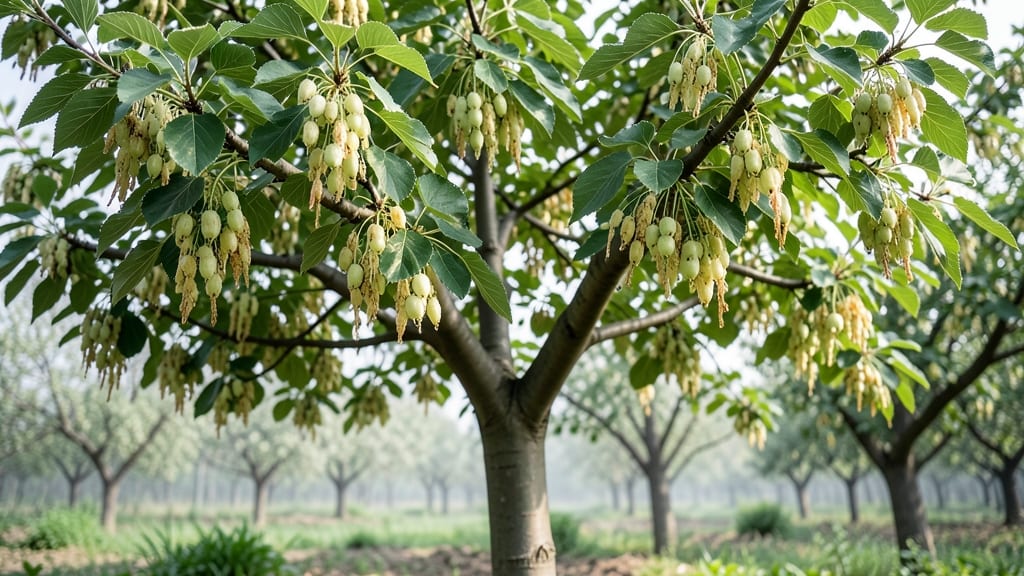
If you're raising silkworms or simply want fruit earlier in the season, the white mulberry tree is your fastest-growing ally. This variety matures in just 3-5 years, producing pale green-white berries that ripen as early as late spring, often before other mulberries even flower.
The leaves are the star here—silkworms adore them, and the tree's rapid growth means you'll have a steady supply of foliage for your silkworm colony or a bountiful harvest of sweet berries. Plant in full sun with well-drained soil, and expect a tree that reaches 30-50 feet tall with a spread of 20-30 feet, making it perfect for larger properties or homesteads.
Homesteaders and early fruit enthusiasts will love this variety for its dual-purpose benefits—both food and fiber production in one fast-growing package. 🌿
Golden Rainfall Mulberry Tree
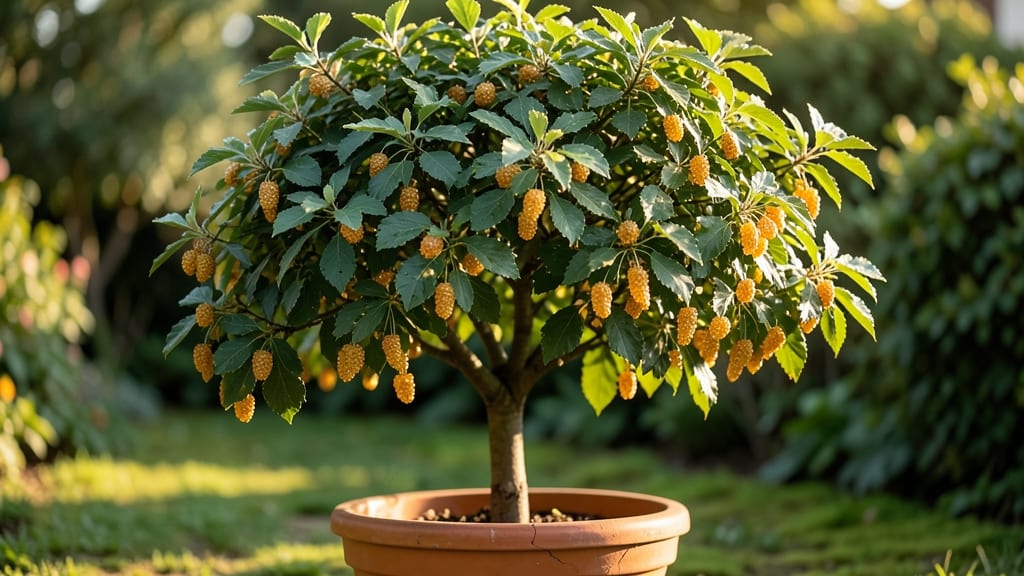
If your garden space is limited but you still crave fresh mulberries, the Golden Rainfall Mulberry Tree is your compact solution. This dwarf variety grows just 8–10 feet tall, making it ideal for small yards, patios, or even large containers—without sacrificing fruit production.
Despite its size, it delivers abundant golden-yellow berries that ripen in late summer, perfect for snacking or jams. Plant it in full sun with well-drained soil, and prune lightly in early spring to maintain its shape. The tree’s dense foliage also provides shade and privacy, doubling as a decorative focal point.
Urban gardeners and balcony growers will love this space-saving option that still yields a bountiful harvest—no sprawling roots or towering branches required! 🌻
Albion Mulberry Tree
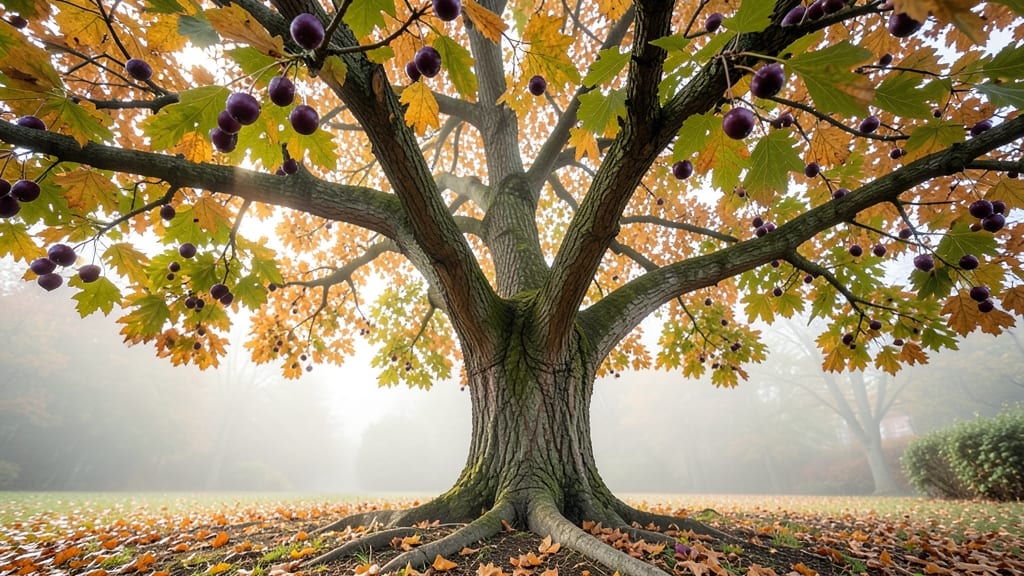
If you're tired of mulberry trees that fail in cold snaps, the Albion Mulberry Tree is your game-changer. This hardy variety thrives in USDA zones 4-9, making it perfect for gardeners in chilly northern states who still crave sweet, homegrown fruit.
Known for its large, deep purple berries, Albion produces fruit that's sweeter and more flavorful than many commercial varieties—ideal for jams, preserves, or fresh snacking. Plant it in full sun with well-drained soil, and watch as it rewards you with prolific harvests year after year. Its cold resistance means fewer surprises come winter, and its manageable size (typically 20-30 feet) fits well in both rural and suburban landscapes.
Perfect for homesteaders, jam makers, or anyone who loves a reliable fruit tree, Albion delivers low-maintenance productivity without compromising on taste. 🌻
Illinois Supreme Mulberry Tree
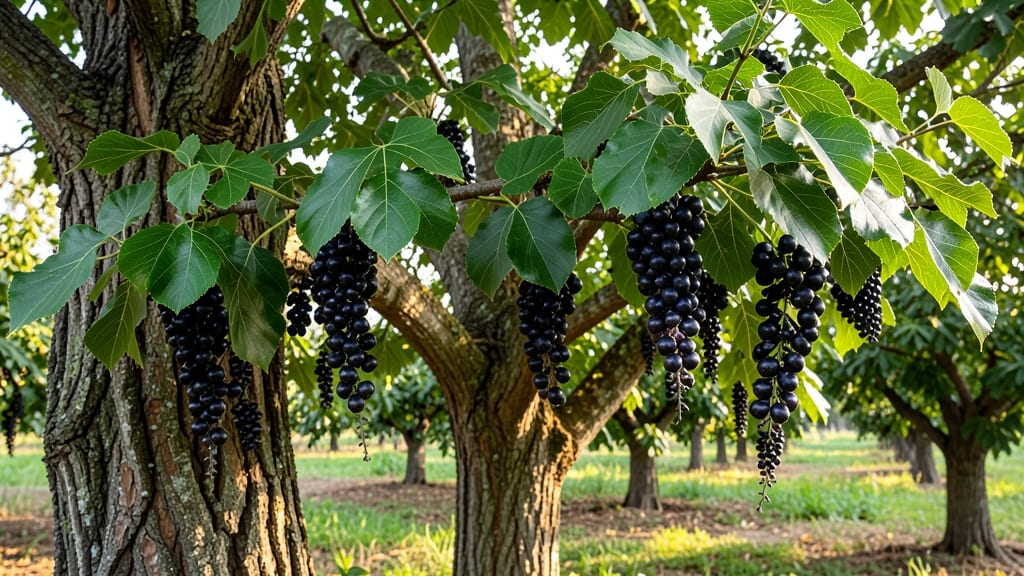
If you're looking for a mulberry tree that delivers commercial-grade fruit quality without the hassle of pests or diseases, the Illinois Supreme Mulberry Tree is your answer. This hybrid variety was specifically bred to combine the best traits of multiple mulberry species, resulting in exceptionally sweet berries with a sugar content that rivals the finest table grapes.
What makes it stand out is its built-in disease resistance, reducing the need for chemical sprays while maintaining vigorous growth. The berries are deep purple, glossy, and packed with flavor—ideal for fresh eating, juicing, or selling at farmers' markets. Plant it in full sun with well-draining soil, and expect a fast-growing tree that matures quickly, producing abundant fruit within just a few years.
This variety is perfect for serious fruit growers or those looking to expand into small-scale commercial production, offering both high yields and minimal maintenance. 🌟
Texas Improved Mulberry Tree
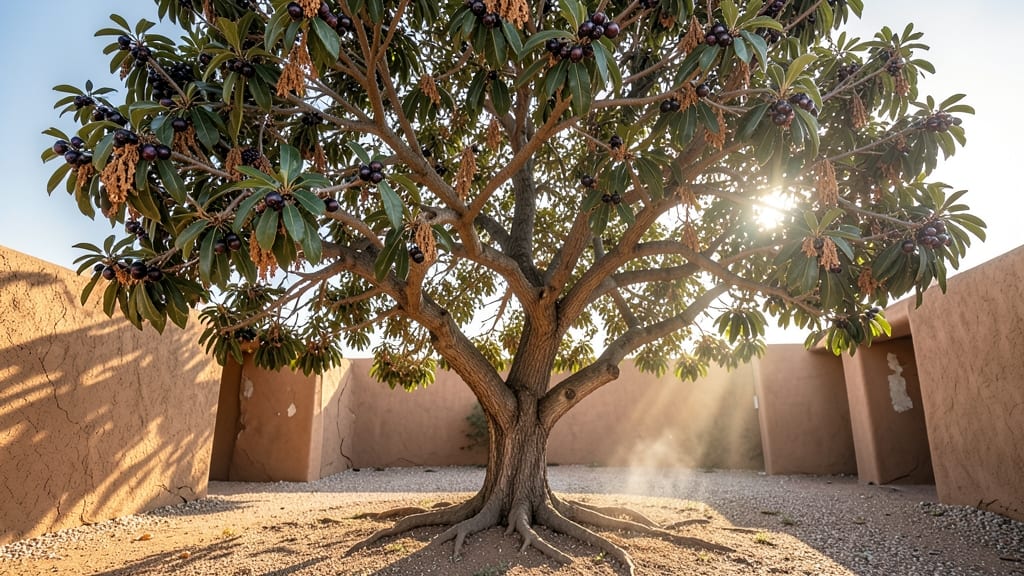
If you're in a hot, dry climate where water conservation is key, the Texas Improved Mulberry Tree is your game-changer. Unlike thirsty fruit trees, this variety thrives with minimal irrigation—making it perfect for desert landscapes, drought-prone regions, and even urban gardens with limited water access.
Bred specifically for arid conditions, this tree produces sweet, juicy berries that ripen in summer, offering a bountiful harvest without the need for frequent watering. Its deep roots allow it to access moisture deep underground, while its heat tolerance ensures consistent fruit production even during scorching summers. For best results, plant in full sun with well-draining soil and avoid overwatering—this tree rewards low-maintenance care with high yields.
This is the ideal choice for gardeners in Texas, Arizona, or New Mexico, or anyone seeking a low-water fruit tree that still delivers big flavor. 🌻
Kwanso Mulberry Tree

Want a mulberry tree that doubles as a living landscape statement? The Kwanso Mulberry Tree delivers with its deep burgundy foliage that turns even more vibrant in fall, paired with clusters of small, sweet berries. This ornamental variety thrives in USDA zones 6-9, making it perfect for mid-Atlantic and southern gardens where its striking color contrasts beautifully against green lawns or evergreens.
Unlike other mulberries focused solely on fruit production, Kwanso prioritizes aesthetics while still yielding edible berries that birds and humans alike will enjoy. Plant it in full sun to partial shade with well-drained soil, and watch its leaves transform from green to fiery red by autumn. The tree typically reaches 15-20 feet tall, so give it space to spread its dramatic branches.
Urban gardeners and landscape designers will love this variety for its year-round visual interest—it’s the ideal choice when you want both beauty and berries without sacrificing one for the other. 💚