
How To
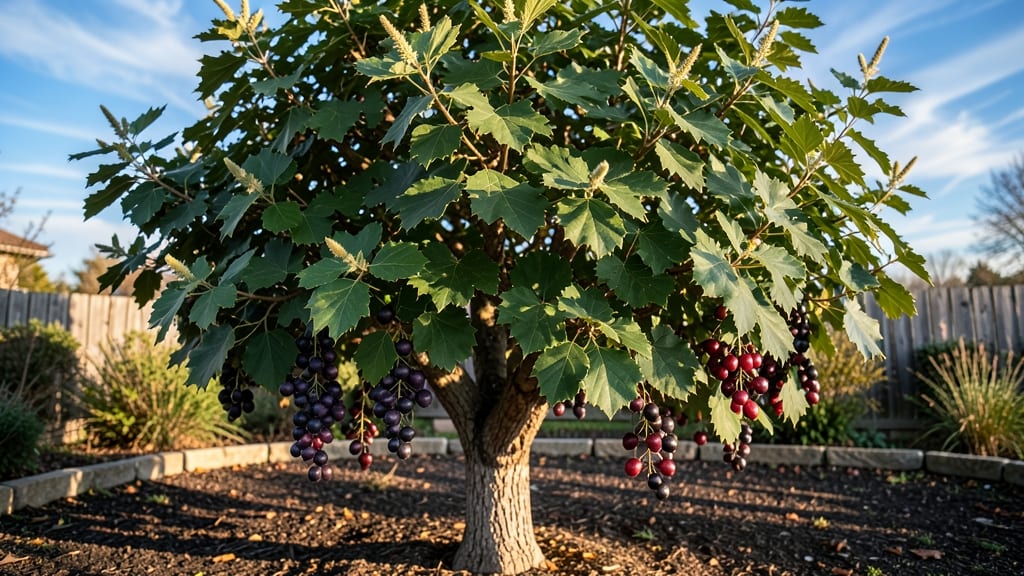
How tall does a mulberry tree grow?—from modest shrubs to towering giants between 20 and 60 feet, depending on the variety and growing conditions. Some varieties stretch toward the sky like a natural skyscraper 🌳, while others stay more manageable for smaller yards.
If you're dreaming of a towering mulberry tree but don’t know whether it’ll stretch to your roofline—or beyond—you’re not alone. These trees can grow from modest shrubs to towering giants, but their height depends entirely on the variety, growing conditions, and a little strategic pruning.
White mulberries, for example, often max out around 40 feet, making them ideal for shade and fruit production in larger spaces. Meanwhile, black mulberries can shoot up to 60 feet if left unchecked, which is why pruning becomes the key to controlling their size.
Below, I’ll break down how different species compare, how fast they grow, and the best ways to keep them in check—whether you want a fast-growing shade tree or a compact fruit producer for your backyard.


Mulberry tree height by variety: from dwarf to giant species
Choosing a mulberry tree isn’t just about delicious fruit—it’s about planning for its mature height, which can range from 15 feet to over 60 feet. The variety you pick determines whether your mulberry becomes a compact shade tree or a towering giant that needs regular pruning.
I’ve grown several varieties, and the differences in growth habits are staggering. For example, my Illinois Everbearing mulberry stays under 20 feet, while a neighbor’s black mulberry stretches toward their roof.
Height isn’t the only factor—growth speed matters too. Some mulberries shoot up 3-5 feet per year in ideal conditions, while others grow more slowly but produce heavier fruit loads. If you’re short on space, dwarf varieties are a game-changer.
But if you want quick shade or a statement tree, fast-growing types like Texas Evergreen mulberry will deliver fast results. Let’s break down the most popular varieties and their skyward limits.
🌳 Key Takeaway: Mulberry height varies wildly by species—pick based on your yard size, sunlight, and whether you prioritize fruit production or shade.
| Variety | Mature Height | Growth Rate | Best For |
|---|---|---|---|
| Dwarf Mulberry (Morus alba 'Dwarf') | 15–25 ft | 1–2 ft/year | Small yards, containers |
| Illinois Everbearing | 18–25 ft | 2–3 ft/year | Fruit production, urban areas |
| Texas Evergreen | 25–35 ft | 3–5 ft/year | Fast shade, heat tolerance |
| Black Mulberry (Morus nigra) | 40–60 ft | 2–4 ft/year | Large estates, premium fruit |
| White Mulberry (Morus alba) | 30–50 ft | 2–3 ft/year | Versatile landscaping |
| Red Mulberry (Morus rubra) | 40–50 ft | 1–2 ft/year | Native gardens, wildlife |
The dwarf mulberry is my top pick for small spaces—it tops out at just 15–25 feet and still produces abundant fruit. My Illinois Everbearing variety, on the other hand, grows 2–3 feet per year and is perfect for urban backyards where space is limited but shade is needed.
If you’re after quick shade, the Texas Evergreen mulberry is a powerhouse, shooting up 3–5 feet annually in the right conditions.
For those who want a statement tree, the black mulberry and red mulberry reach 40–60 feet at maturity. These giants need ample space and regular pruning to manage their height. I’ve seen black mulberries in rural areas where they’ve outgrown fences and become natural shade canopies.
Their slow-to-moderate growth rate means they’ll be a long-term investment, but the premium fruit and stunning fall foliage make it worth it.
Pro Tip: If you’re planting near a house or fence, consider the white mulberry—it grows to 30–50 feet but is more manageable than its black cousin. Its moderate growth rate and adaptability make it a favorite for landscaping projects where you want a balance of shade and fruit without the extreme height of a black mulberry.
Growth conditions play a huge role in height. Mulberries planted in full sun with well-draining soil will grow taller and faster than those in shady or waterlogged areas.
I once saw a Texas Evergreen mulberry in a south-facing yard reach 35 feet in just 7 years, while the same variety in partial shade grew only 20 feet in 10 years. Watering habits matter too—deep, infrequent watering encourages deeper root growth, which supports taller stature.
Height also affects fruit production. Taller mulberries often bear heavier fruit loads because they have more branching structure. However, dwarf varieties compensate with proportionally larger fruit relative to their size. If you’re growing mulberries for commercial fruit production
How to control mulberry tree height: pruning tips for small yards
Mulberry trees can quickly outgrow their welcome in small yards, reaching heights of 40-60 feet if left unchecked. The good news? With the right pruning techniques, you can keep your tree at a manageable 10-20 feet while still enjoying abundant fruit and lush foliage.
The key is timing, tools, and understanding how mulberries respond to pruning.
Pruning mulberry trees isn't just about cutting branches—it's about shaping their growth habit. These trees naturally grow fast and tall, so regular pruning prevents them from becoming unruly giants.
I recommend starting pruning when your tree is 2-3 years old, before it develops a thick canopy. This early intervention makes future size control much easier.
Step-by-Step Pruning Guide for Mulberry Trees
-
Step 1: Choose the Right Time
Prune in late winter or early spring (February-March) before new growth begins. Avoid pruning in fall, as this encourages tender growth that may not survive winter.
-
Step 2: Gather Proper Tools
Use sharp bypass pruners for small branches and a pruning saw for thicker limbs. Sterilize tools with rubbing alcohol to prevent disease spread.
-
Step 3: Remove Dead or Weak Wood
Start by cutting out dead, diseased, or crossing branches. These compete with healthy growth and can harbor pests. Aim for clean cuts just outside the branch collar.
-
Step 4: Thin the Canopy
Remove 1/3 of the oldest branches to improve airflow and sunlight penetration. Focus on branches growing inward or upward to create an open-centered shape.
-
Step 5: Control Height
To limit height, cut the topmost leader branch by 1/3 each year. For dramatic height reduction, prune back to a strong lateral branch just below your desired height.
-
Step 6: Shape for Fruit Production
Mulberries produce fruit on new wood. Prune to encourage outward-facing branches that receive full sunlight. Avoid heavy pruning in fruit-bearing years to maintain production.
-
Step 7: Clean Up
Remove all pruned branches from the area and dispose of them in the trash (not compost). This prevents pests and diseases from reinfesting your tree.
One common mistake I see is over-pruning mulberry trees in a single session. These trees are resilient but can become stressed if you remove more than 25% of their foliage at once. Instead, spread pruning over 2-3 sessions during the growing season for healthier recovery.
For dwarf varieties like 'Illinois Everbearing' or 'Dwarf Mulberry', you'll need less aggressive pruning—focus on light shaping and removing only water sprouts or suckers. These varieties naturally stay between 10-15 feet tall with minimal intervention, making them perfect for small yards.
Remember that mulberry trees regrow quickly after pruning. If you cut back a branch, you'll likely see new growth within 4-6 weeks. This rapid response means you can adjust your tree's shape throughout the growing season if needed.
Just be patient—consistent pruning over 2-3 years will give you the most manageable size.
🌿