
Pruning
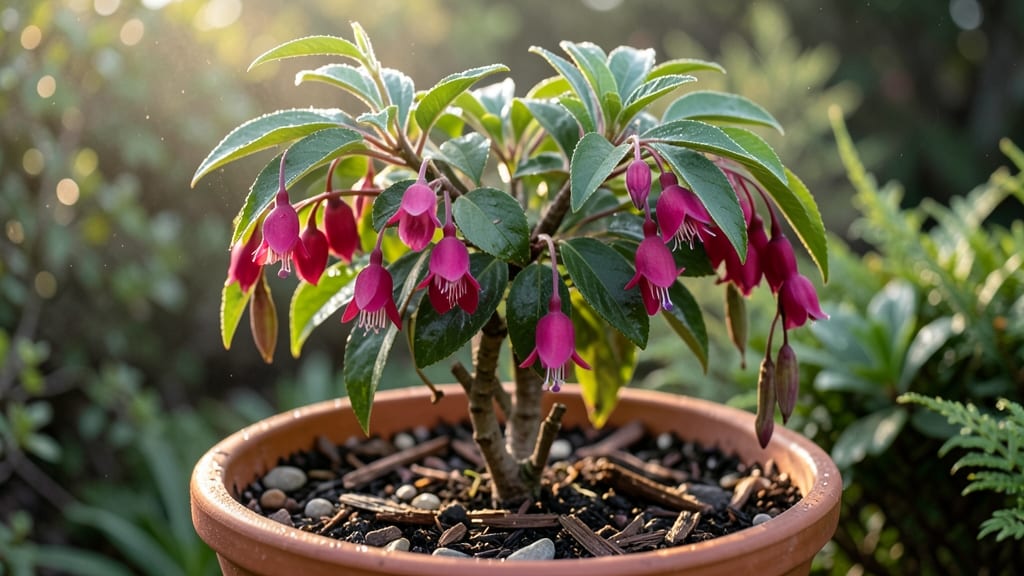
Proper fuchsia tree care transforms your leggy mess into a bloom-covered showstopper—and I’ve perfected the method after years of trial and error. 🌿 The secret isn’t just cutting back; it’s timing those snips to match your tree’s natural growth cycles, whether it’s summer’s flush of new growth or winter’s dormant phase.
Most gardeners over-prune in spring and under-prune in fall, which leads to sparse blooms and weak stems.
You’ll need sharp pruners, a clean workspace, and just 20 minutes to shape your tree properly. Start by removing dead or crossing branches first—this opens up airflow and prevents disease. Then, cut back leggy stems to just above a leaf node, encouraging bushier growth.
For experienced gardeners, strategic winter pruning (after the first frost) can even double next year’s blooms by forcing new, vigorous growth in spring.
By summer’s end, your fuchsia will be a lush, compact masterpiece with vibrant blooms cascading from every branch. The key is consistency: prune lightly every 6-8 weeks to maintain shape and encourage continuous flowering.
Even in small spaces, a well-pruned fuchsia thrives—whether in pots on a patio or as a focal point in the garden bed.
Troubleshooting is simple: yellow leaves? Check your watering. No blooms? You’re probably pruning too late. And if your tree looks stressed after pruning, it’s just adjusting—give it a week or two. The payoff is worth the effort: neighborhood-stopping fuchsias that bloom from spring to frost with minimal fuss.
📚 In This Guide
- What you need
- Instructions
- Tips and common mistakes
- Wrapping up and next steps
What you need
- ● Pruning shears: Sharp, bypass pruners (for small to medium stems). Quantity: 1 pair.
- ● Loppers: For thicker branches (if your fuchsia grows large). Quantity: 1 pair.
- ● Hand pruners: For delicate trimming and shaping. Quantity: 1 pair.
- ● Gloves: Garden gloves (to protect hands from thorns or sap). Quantity: 1 pair.
- ● Disinfectant: Rubbing alcohol (70% or higher) or a commercial pruning sealant. Quantity: Small bottle.
- ○ Pruning saw: (Optional) For very thick branches. Quantity: 1.
- ● Plant ties or twine: Soft ties to support new growth if needed. Quantity: Small roll.
- ● Mulch: Organic mulch (e.g., shredded bark or compost). Quantity: Enough to cover the base (2–3 inches).
- ● Horticultural oil: To treat any pests spotted during pruning.
- ● Plant food: Balanced fertilizer (e.g., 10-10-10) for post-pruning recovery.
- ● Spray bottle: For misting leaves if your fuchsia is drought-sensitive.
- ● Notebook & pen: To track pruning dates and plant progress!
Step-by-Step guide to pruning fuchsia trees for year-round blooms
Here's the pruning system I use to keep my fuchsia trees flowering nonstop and shaped just right.
✂️ Step 1: Identify Growth Zones and Pruning Time
Fuchsias bloom on new wood, so timing matters. Prune right after a major bloom cycle—typically in early spring and again in midsummer. Look for the nodes (those little bumps where leaves attach) as your cutting points. These are where new growth will sprout, so you'll want to leave at least 3-4 nodes on each stem after cutting.
Use sharp, clean pruners to avoid crushing stems. I always sterilize my tools with rubbing alcohol between cuts—this prevents disease from spreading if you nick the plant. If your fuchsia is leggy, you're pruning too late; the goal is to encourage compact growth, not force regrowth after overgrowth.
✂️ Step 2: Shape the Tree While Encouraging Blooms
Start by removing any dead, diseased, or crossing branches first. These compete for energy and disrupt airflow. Next, cut back 1/3 of the oldest stems to their base—this rejuvenates the plant and stimulates new growth. For a fuller shape, trim back the outermost growth slightly more than the inner branches to create a natural taper.
Watch for flower buds forming at the nodes. If you see them, avoid cutting there—those are your bloom points. Instead, focus on the upper third of the plant where new growth will emerge. This layered approach keeps your fuchsia bushy and flowering continuously.
✂️ Step 3: Maintain Through the Growing Season
After the initial prune, monitor your fuchsia for new shoots emerging from the nodes. These will be your next round of blooms. Pinch back the tips of these new growths when they reach 4-6 inches to encourage branching. This is where most gardeners go wrong—they let the plant grow too tall before pruning, and then it never fills out.
Water deeply 2-3 days after pruning to help the plant recover. You'll see new leaves within 7-10 days if everything's right. If your fuchsia looks stressed, it might need a light fertilizer application to support new growth. Avoid heavy feeding right after pruning—it can burn tender new shoots.
✂️ Step 4: Prepare for Winter Dormancy
As temperatures drop below 50°F, reduce watering and stop fertilizing. Prune again in late fall to remove any weak or sparse growth that won't survive winter. Cut back 1/2 of the plant's height to encourage a fresh start in spring. This is also the time to check for pests—remove any infested branches immediately.
If you're growing your fuchsia in a pot, move it to a sheltered spot or bring it indoors near a bright, cool window. Keep the soil just barely moist—overwatering in winter is the fastest way to rot roots. With this approach, your fuchsia will burst back into bloom as soon as spring arrives.
Tips & tricks for perfect fuchsia tree pruning
Common pruning mistakes can turn your fuchsia from a blooming star into a leggy disappointment. Here's what I've learned after years of trial and error—and how to avoid them.
Node Count Matters: In Step 1, leaving at least 3-4 nodes on each stem isn't just a suggestion—it's the difference between new growth and stunted branches. Think of nodes as your fuchsia's growth engines; each one contains dormant buds ready to burst into leaves and flowers. I've seen gardeners cut too aggressively and end up with bare stems that never recover.
Timing is Everything: Pruning right after a major bloom cycle (as in Step 1) gives your fuchsia time to recover before the next flowering push. The early spring and midsummer windows are critical because they align with the plant's natural growth cycles. If you prune too late, you'll encourage leggy growth that never fills out—something I learned after watching my first fuchsia stretch into an unruly mess.
Layered Pruning Technique: The "upper third" focus in Step 2 creates that perfect tapered shape while maintaining airflow. I recommend working in layers—start with the outer branches, then move inward. This approach prevents overcrowding and ensures sunlight reaches all parts of the plant. It's also when you'll spot those precious flower buds forming at the nodes—never cut there unless you want to sacrifice blooms.
Post-Pruning Recovery: That 2-3 day watering window in Step 3 isn't arbitrary. Fuchsias need time to recover from pruning stress, and proper hydration helps them establish new roots. I've noticed new leaves appearing within 7-10 days when everything's right—it's like watching a plant come back to life. Just remember: light fertilizer after pruning supports recovery without overwhelming the plant.
Pro Tips for Fuchsia Tree Care
- Common pruning mistakes can turn your fuchsia from a blooming star into a leggy disappointment. Here's what I've lear...
- Node Count Matters: In Step 1, leaving at least 3-4 nodes on each stem isn't just a suggestion—it's the difference be...
- Timing is Everything: Pruning right after a major bloom cycle (as in Step 1) gives your fuchsia time to recover befor...
Frequently asked questions
Got questions about keeping your Fuchsia trees thriving? Here are some of the most common concerns—plus quick answers to keep your plants happy and blooming!
How often should I prune my Fuchsia tree?
Prune your Fuchsia tree 2-3 times a year: once after winter dormancy (late spring), again after the first flush of blooms (early summer), and lightly in fall to shape it for winter. Avoid heavy pruning in late summer—this can stunt new growth and reduce fall blooms. Pro tip: Always use clean, sharp shears to prevent disease!
Can Fuchsia trees survive winter outdoors?
Most Fuchsia trees are tender perennials and need protection in cold climates (below 20°F/-7°C). In zones 9-11, they can stay outdoors year-round with mulch. For colder areas, dig up potted trees or wrap containers in bubble wrap. Store them in a cool, dark place (like a garage) and resume care in spring. Pro tip: Reduce watering in winter to prevent root rot!
Why aren’t my Fuchsia blooms as vibrant as last year?
Dull or sparse blooms often mean over-fertilizing with high nitrogen (which promotes leaves over flowers) or lack of sunlight. Switch to a balanced, bloom-boosting fertilizer (like 5-10-5) in spring/summer, and ensure they get 4-6 hours of morning sun. Deadhead spent blooms regularly to encourage new flowers. Pro tip: Yellowing leaves? Check for overwatering or pests like spider mites!
Should I prune Fuchsia trees in containers differently?
Yes! Container-grown Fuchsias need more frequent pruning (every 4-6 weeks) to control size and encourage bushiness. Trim back by 1/3 in spring and pinch new growth tips to promote branching. Since roots are confined, avoid heavy pruning—it can stress the plant. Pro tip: Repot every 2 years to refresh soil and prevent root-bound stress!
What pests commonly attack Fuchsia trees?
Watch for aphids, spider mites, and whiteflies, which love Fuchsia’s tender leaves. Treat mild infestations with neem oil or insecticidal soap. For severe cases, hose off pests with water or use systemic granules. Prevention tip: Keep plants well-watered and avoid overcrowding to deter pests!
| Quick Fixes | When to Use |
|---|---|
| Neem oil spray | For aphids/mites (apply at dusk) |
| Prune damaged branches | After heavy rain or storms |
| Repot with fresh soil | If roots are circling the pot |
Wrapping up and next steps
Caring for your fuchsia tree doesn’t have to be overwhelming—just a little love and consistent pruning will reward you with stunning blooms and a well-shaped plant all year round! 🌸 By mastering seasonal trims, deadheading, and shaping techniques, you’ll keep your fuchsia thriving and looking its best.
Now that you’re armed with the right tools and know-how, grab those shears and get pruning! Your next step? Schedule a quick check-in with your tree every few weeks to keep it happy and blooming beautifully.