
Leaf Blower
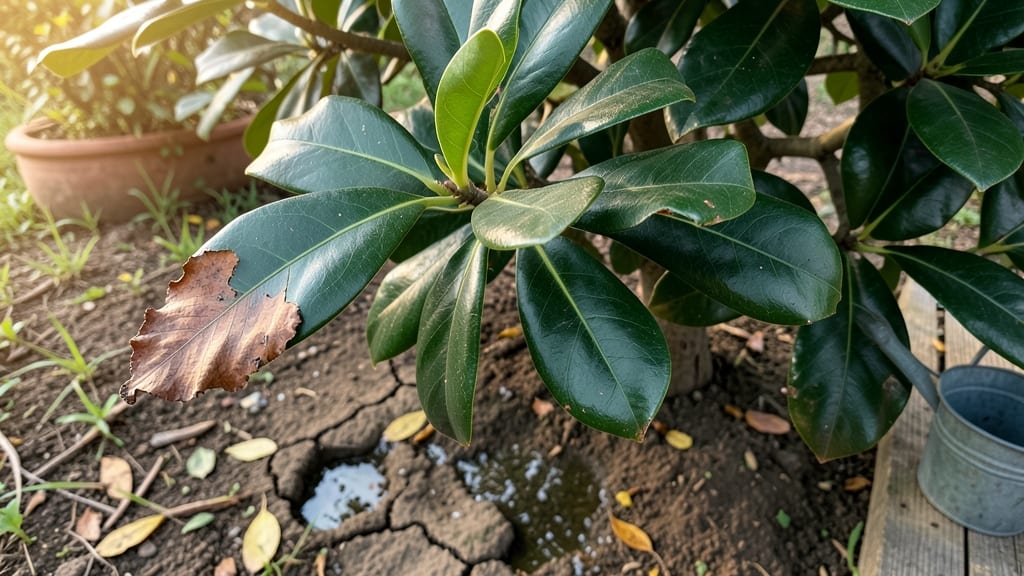
Your bay leaf tree’s leaves turning brown isn’t a death sentence—it’s a wake-up call. 🌿 I’ve nursed back more than a few struggling Laurus nobilis trees, and the fix always starts with identifying the real culprit: overwatering, fungal spots, or just plain stress.
The good news? Most cases reverse with simple adjustments before you lose the whole plant.
First, check the soil—if it’s soggy, you’re drowning the roots. Bay trees hate wet feet, so let the top 2 inches dry out between waterings. Then inspect the leaves: small brown spots with yellow halos?
That’s Cercospora leaf spot, a fungal party that thrives in humid, stagnant air. Prune affected leaves immediately and improve airflow around the plant.
For nutrient deficiencies, a balanced fertilizer in spring gives a quick boost. But the real game-changer? Consistency. Bay trees thrive in partial shade with moderate humidity—move it away from drafts or direct afternoon sun if your climate is harsh.
Within 4-6 weeks, you’ll see fresh, glossy green leaves pushing out.
Here’s the kicker: prevention is easier than cleanup. Mulch around the base to retain moisture without suffocating roots, and spray leaves with neem oil every 2 weeks during humid months. Your bay tree will reward you with fragrant, vibrant foliage for years—no more sad, crunchy brown patches.
Root Causes Behind Browning Leaves
When your bay leaf tree’s leaves start turning brown, it’s often a distress signal from the plant. Understanding the specific triggers behind this discoloration is the first step toward restoring its health.
Below, we break down the most common culprits—each with a clear scientific explanation and actionable insights to help you diagnose the issue accurately.
Bay leaf trees (Laurus nobilis) thrive in moderate climates (USDA Zones 7-10), but extreme temperatures can cause rapid browning. Here’s why:
- Heat Stress (☀️🔥):
- Prolonged exposure to temperatures above 90°F (32°C) disrupts the tree’s chlorophyll production, leading to leaf scorch. The edges turn crispy and brown as cells dehydrate.
- Action: Provide afternoon shade with a lightweight shade cloth (30-50%) or mulch the root zone to retain moisture. Water deeply early in the morning to reduce evaporation.
- Cold Damage (❄️❄️):
- Temperatures below 20°F (-6°C) can cause cellular freezing, turning leaves brown or black. Young leaves are especially vulnerable.
- Action: Protect mature trees with burlap wraps or a frost cloth during sudden cold snaps. Avoid pruning in late fall/winter, as new growth is more susceptible.
Bay leaf trees are drought-tolerant but hate soggy roots. Browning leaves often signal a watering imbalance:
- Overwatering (💦🚨):
- Excess moisture suffocates roots, cutting off oxygen and triggering anaerobic conditions. This leads to root rot (often caused by Phytophthora fungi), which manifests as yellowing leaves turning brown and mushy.
- Signs: Wilting despite wet soil, foul-smelling roots, or leaves dropping prematurely.
- Action: -
- ✅ Improve drainage by amending soil with perlite or sand (aim for a loamy, well-draining mix).
- ✅ Water only when the top 2 inches of soil are dry (stick your finger in to test!).
- ✅ Ensure the pot has drainage holes if growing in containers.
- Underwatering (🏜️🌵):
- Chronic drought causes leaf scorch as the tree conserves water by shutting down chlorophyll in outer leaf cells. Edges curl and brown first.
- Action: Water slowly and deeply (1–2 inches per week, more in heatwaves) and mulch with 3–4 inches of organic mulch (wood chips or straw) to retain moisture.
Fungi like Botrytis (gray mold) or Septoria thrive in humid conditions, causing brown spots with yellow halos or black speckles. Here’s how to spot and stop them:
- Leaf Spot Diseases (🍄🔍):
- Fungal spores spread via splashing water or contaminated tools. Infected leaves develop tar-like spots that enlarge and turn brown/purple.
- Action: -
- 💡 Prevent spread: Remove and dispose of infected leaves (don’t compost!).
- 🌡️ Improve airflow: Prune dense branches to reduce humidity around foliage.
- 🛡️ Fungicide (if severe): Use a copper-based fungicide (e.g., Bordeaux mixture) every 2–3 weeks during wet seasons.
- Root Rot (🌱💀):
- Overwatered or poorly drained soil invites Phytophthora, which attacks roots first. Leaves yellow, then turn brown and brittle.
- Action: -
- 🔪 Repot immediately: Remove the tree, trim dead roots, and repot in sterile, fast-draining soil.
- 🌧️ Adjust watering: Let soil dry completely between waterings.
Pests like spider mites, scale insects, or aphids drain nutrients, causing leaves to yellow and brown. Look for:
- Webbing or Sticky Residue (🕷️🍯):
- Spider mites create fine webs on undersides of leaves, while aphids/scale leave behind honeydew (a sticky sap that attracts sooty mold).
- Action: -
- 💦 Blast off pests: Spray leaves with a strong stream of water to dislodge mites.
- 🧼 Soap solution: Mix 1 tsp mild liquid soap + 1 quart water, spray undersides, and repeat weekly.
- 🐝 Encourage predators: Release ladybugs or lacewings to eat aphids naturally.
Brown leaves can also signal a lack of essential nutrients. Test your soil (a DIY kit costs ~$10) to check for:
- Iron Chlorosis (🟡🟤):
- Yellowing between leaf veins (with brown edges) often means low iron or high soil pH (alkaline). Bay trees prefer slightly acidic soil (pH 6.0–7.0).
- Action: -
- 💡 Add iron: Use chelated iron supplements (e.g., Ironite) every 2–3 months.
- 🌱 Lower pH: Mix in sulfur or peat moss to acidify soil gradually.
- Magnesium or Potassium Deficiency (🌿⚡):
- Brown spots or edges (with green veins) may indicate low magnesium (common in sandy soils) or potassium (from over-fertilizing with nitrogen).
- Action: -
- 🍃 Epsom salt (for magnesium): Dissolve 1 tbsp Epsom salt in 1 gallon water, spray foliage monthly.
- 🌱 Balanced fertilizer: Switch to a low-nitrogen, high-potassium formula (e.g., 5-10-10) in spring/fall.
Pro Tip: 🔍 Before treating, inspect leaves up close with a magnifying glass—pest damage, fungal spots, and nutrient deficiencies each leave unique clues!
Revive Your Bay Leaf Tree
When your bay leaf tree’s leaves turn brown, it’s often a sign that something’s off—but don’t panic! With the right care, you can bring back that lush, vibrant green. Below, we’ve mapped out practical fixes based on the most common causes, along with prevention tips to keep your tree thriving.
Fix: Brown leaves from soggy soil? Adjust your watering habits and improve drainage.
- 🔥 Step 1: Check the Soil Stick your finger 2 inches deep into the soil. If it’s damp, hold off on watering. Bay leaf trees prefer slightly moist (not soggy) soil.
- 🍳 Step 2: Adjust Watering Schedule Water only when the top inch of soil feels dry. Overwatering suffocates roots, leading to browning. Less is more!
- 👨🍳 Step 3: Improve Drainage If your pot lacks drainage holes, repot your tree into a container with drainage. Add a layer of gravel or perlite at the bottom to prevent waterlogging.
✨ Pro Tip: Use a well-draining potting mix (like a blend of peat, perlite, and sand) to keep roots happy.
Fix: Crispy, brown edges? Your bay leaf tree is thirsty.
- 🔥 Step 1: Water Deeply & Regularly Give your tree a slow, deep drink until water runs out the drainage holes. Repeat every 7–10 days (adjust based on climate).
- 🍳 Step 2: Increase Humidity Bay leaf trees love humidity. Place the pot on a pebble tray with water or mist leaves 2–3 times a week.
- 👨🍳 Step 3: Mulch the Soil Add a 1-inch layer of mulch (like bark or straw) to retain moisture and protect roots.
💡 Pro Tip: If leaves feel dry to the touch, prune them to encourage new growth.
Fix: Yellow-brown patches from too much sun or cold drafts?
- 🔥 Step 1: Find the Right Spot Bay leaf trees thrive in partial shade (morning sun, afternoon shade). Move it to a location with indirect light.
- 🍳 Step 2: Protect from Cold Drafts Keep your tree away from AC vents, doors, or windows in winter. If outdoors, bring it inside before temperatures drop below 40°F.
- 👨🍳 Step 3: Gradually Acclimate to Sun If moving to a sunnier spot, do it slowly over a week to avoid shock.
🌡️ Pro Tip: In summer, shade cloth can help prevent sunburn.
Fix: Brown spots with sticky residue or wilting? Pests or fungi may be the culprit.
- 🔥 Step 1: Inspect for Pests Check undersides of leaves for spider mites, aphids, or scale. Wipe off pests with a soapy water cloth (1 tsp mild soap per gallon of water).
- 🍳 Step 2: Treat Fungal Issues If leaves have black/brown spots, it could be powdery mildew or leaf spot. Spray with neem oil or copper fungicide (follow label instructions).
- 👨🍳 Step 3: Improve Airflow Prune overcrowded branches to reduce humidity buildup, which attracts pests.
🎯 Pro Tip: Quarantine new plants before introducing them to your bay leaf tree.
Fix: Yellow-brown leaves with slow growth? It’s time to check the nutrients.
- 🔥 Step 1: Test Your Soil Use a soil pH test kit—bay leaf trees prefer slightly acidic soil (6.0–7.0).
- 🍳 Step 2: Fertilize Correctly Feed with a balanced liquid fertilizer (10-10-10) every 4–6 weeks in spring/summer. Avoid fertilizing in winter!
- 👨🍳 Step 3: Prune Damaged Leaves Remove brown, crispy leaves to redirect energy to healthy growth.
💪 Pro Tip: Compost tea can boost soil health naturally.
- 💡 Water wisely—check soil moisture before watering.
- 🌡️ Monitor temperature—keep indoors in extreme heat/cold.
- 🐛 Inspect regularly—catch pests early.
- ✨ Prune properly—remove dead leaves to encourage new growth.
- 🌱 Repot every 2–3 years—fresh soil prevents nutrient depletion.
By addressing the root cause (literally!) and following these steps, your bay leaf tree should bounce back with vibrant, healthy foliage in no time. 🌿💚
Frequently asked questions
Why do my bay leaf tree leaves turn brown in winter?
Cold drafts and low humidity cause winter browning. Bay trees prefer consistent temperatures above 40°F (4°C). Move potted trees indoors or protect outdoor plants with burlap wraps. Avoid placing them near AC vents or windows that create temperature swings.
Can I save my bay leaf tree if half the leaves are already brown?
Yes! Prune the brown leaves immediately to redirect energy to healthy growth. Check for underlying issues like overwatering or pests. With proper care—balanced watering, shade adjustment, and fungicide if needed—new leaves will emerge within 4-6 weeks.
How often should I fertilize a bay leaf tree with brown leaves?
Hold off on fertilizing until you've addressed the browning. Once the issue is resolved, use a balanced fertilizer (10-10-10) every 6-8 weeks in spring/summer only. Over-fertilizing stresses roots and worsens nutrient imbalances.
Are brown spots on bay leaves always a fungal problem?
Not always! Brown spots can also indicate sunburn, nutrient deficiencies, or pest damage. Check for these clues: Yellow halos (fungus), crispy edges (sunburn), or sticky residue (pests). Treat accordingly with fungicide, shade adjustment, or insecticidal soap.
Will pruning brown leaves help my bay leaf tree recover faster?
Pruning removes diseased tissue and improves airflow. Use sterilized pruners to cut ½ inch above brown spots. Dispose of pruned leaves (don't compost) to prevent spreading fungal spores. New growth typically appears within 2-3 weeks.