
Featured
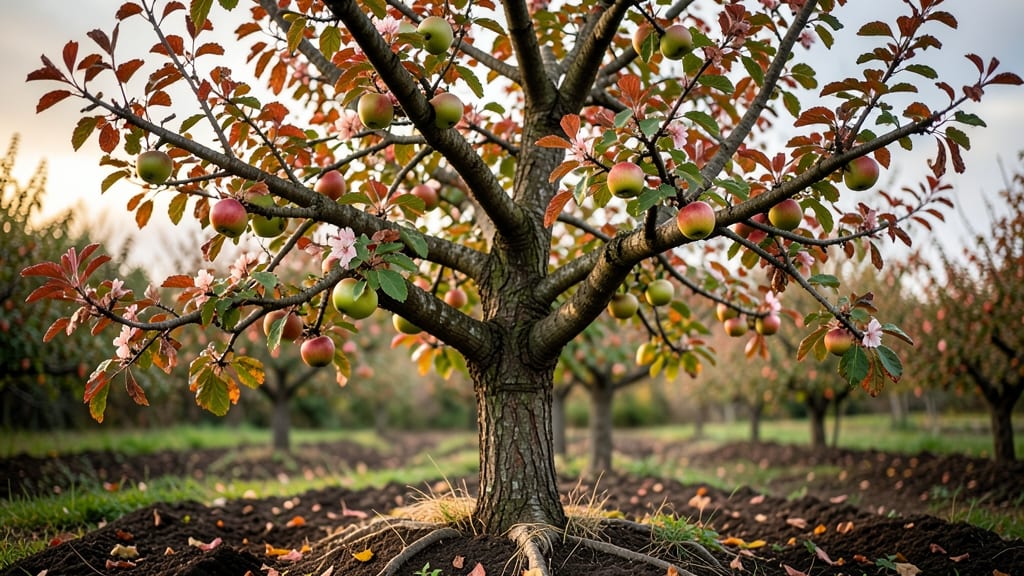
Your apple tree’s leaves turning red isn’t just autumn’s stunning show—it’s a message from your tree. 🌿 Whether it’s a healthy seasonal shift or a cry for help, understanding the cause means you can restore your tree’s lush green glory (or embrace its fiery fall display).
Red leaves often signal nutrient deficiencies (like phosphorus or magnesium), environmental stress (drought, extreme heat, or cold snaps), or pests/diseases (aphids, mites, or fungal infections like apple scab). The key? Inspect the leaves closely—are they crispy, spotted, or curled? That tells you exactly what’s wrong.
Fixing it starts with simple steps: soil testing to check nutrients, targeted fertilizers for deficiencies, or organic sprays for pests. Prune damaged branches to improve airflow, and water deeply during dry spells. Most issues resolve within 4-6 weeks of correct care.
Once you know the cause, prevention becomes easy—mulch to retain moisture, spray preventive fungicides in spring, and monitor for pests regularly. Your tree will thank you with vibrant green leaves (or, if you prefer, those show-stopping reds) come next season.
Natural Chemistry Behind Fall Foliage
When apple tree leaves transform into a dazzling display of red, it’s not just a seasonal spectacle—it’s a fascinating biological process driven by science. Understanding the why behind this color shift reveals how trees prepare for winter while putting on a stunning show.
Here’s the breakdown of the key factors at play:
Most of the year, apple tree leaves rely on chlorophyll to absorb sunlight for photosynthesis. But as daylight shortens and temperatures drop in autumn, chlorophyll breaks down.
This isn’t just a fading act—it’s a strategic move. The tree repurposes nutrients from the leaves to store in its roots and branches for winter survival.
Enter anthocyanins, the water-soluble pigments responsible for the bold reds, purples, and oranges in leaves. These compounds act like sunscreen and antioxidants, protecting the leaves from excess sunlight and free radicals during the transition. In apple trees (especially varieties like Malus domestica), high anthocyanin production is triggered by:
- Bright sunlight: More UV exposure boosts anthocyanin synthesis.
- Cool nights: Temperature drops (but not freezing) enhance pigment development.
- Nutrient availability: Trees with sufficient phosphorus and nitrogen produce richer colors.
💡 Pro Tip: If your apple tree’s leaves are turning red but staying green in patches, it may lack sunlight or nutrients—consider a balanced fertilizer in early fall.
Not all trees turn red—some default to yellow or orange due to carotenoids and xanthophylls, pigments that were always present but hidden by chlorophyll. Apple trees, however, often lean red because of a unique process called sugar trapping.
As photosynthesis slows, excess sugars (like glucose) build up in the leaves. These sugars combine with anthocyanins, creating a chemical reaction that intensifies the red hue. The longer the sugars linger—thanks to cool, dry autumn weather—the deeper the color becomes. This is why:
- Early frosts can halt the process, resulting in muted colors.
- Wet or warm falls may delay sugar accumulation, leading to less vibrant reds.
- Tree stress (drought, pests) can also trigger early sugar release, speeding up color change.
🌡️ Actionable Insight: Monitor your tree’s moisture levels—consistent watering in early fall can help regulate sugar production for more consistent red foliage.
Not every apple tree variety will produce red leaves. The intensity and timing of color change depend on genetics and environmental interactions. For example:
| Variety | Leaf Color Trend | Why It Happens |
|---|---|---|
| Honeycrisp | Deep red-orange | High anthocyanin potential + thick leaf structure traps sugars longer. |
| Granny Smith | Purple-red | Genetic predisposition to anthocyanin dominance; thrives in cooler climates. |
| Fuji | Yellow-green with red edges | Moderate anthocyanin production; often blends with other pigments. |
Even within the same species, factors like soil pH (slightly acidic soils enhance reds) and microclimate (e.g., urban heat islands vs. rural areas) play a role. ✨ Fun Fact: Apple trees grafted onto rootstocks with high vigor may produce more dramatic fall colors due to increased nutrient transport.
By understanding these biological triggers, you can almost predict—and even influence—the stunning red transformation of your apple tree’s leaves. Next time you see that fiery display, remember: it’s nature’s way of saying, “I’m getting ready for winter—behold my masterpiece!”
Revive Your Apple Tree’s Color
If your apple tree’s leaves are turning red prematurely—or in ways that don’t match the natural autumn palette—don’t panic! Most issues are fixable with a little detective work and targeted care.
Below, we’ve mapped common causes to actionable solutions, plus prevention tips to keep your tree thriving for seasons to come.
Red or purplish leaves often signal your tree is hungry. Yellowing between veins? Likely magnesium deficiency. Dark red edges? Potassium or phosphorus might be low. Here’s how to restore balance:
🔥 Step 1: Test Your Soil
- Grab a DIY soil test kit (available at garden centers) or send a sample to your local Cooperative Extension Service for a pro analysis.
- Pro Tip: 💡 Test in spring or early fall for the most accurate results—summer heat can skew pH readings.
🍳 Step 2: Amend the Soil
- For nitrogen (green leaves): Apply a balanced fertilizer (10-10-10) or composted manure in early spring.
- For potassium/magnesium (red/purple hues):
- Sprinkle wood ash (for potassium) around the base (avoid overdoing it—too much raises pH).
- Use Epsom salt (magnesium sulfate): Mix 1 tbsp per gallon of water and spray foliage every 2 weeks until leaves recover.
- For phosphorus (deep red veins): Work in bone meal or rock phosphate into the top 6 inches of soil.
🌱 Step 3: Mulch Like a Pro
- Spread 2–4 inches of organic mulch (shredded bark, leaves) around the tree’s drip line (the edge of its canopy). This retains moisture and slowly releases nutrients.
- Warning: 🔥 Never pile mulch against the trunk—this can cause rot.
Sudden temperature swings or dry spells can trigger stress-induced reddening. Here’s how to shield your tree:
💦 Step 1: Deep Watering
- Water slowly and deeply (1–2 inches per week) at the base of the tree, not the leaves. Use a soaker hose or drip irrigation for efficiency.
- Pro Tip: 🌡️ Water in the early morning to reduce evaporation and fungal risks.
🌳 Step 2: Provide Shade & Windbreaks
- If your tree is in a hot, sunny spot, install shade cloth (30–50%) temporarily during heatwaves.
- For young trees, wrap the trunk with tree guard or use burlap screens to block harsh winds.
❄️ Step 3: Protect from Frost
- If red leaves appear after a late frost, cover the tree with a lightweight frost blanket at night.
- Avoid over-fertilizing in fall—it encourages tender new growth that’s vulnerable to cold.
Crimson leaves with sticky residue or spots? Pests or disease might be the culprit. Act fast to prevent spread.
🐞 Step 1: Inspect for Pests
- Aphids/mites: Look for tiny webs, speckled leaves, or honeydew (sticky sap). Blast them off with a strong hose spray or use neem oil (1 tsp per quart of water, spray every 5–7 days).
- Scale insects: Scrape off visible bumps with a soft brush dipped in soapy water.
🍄 Step 2: Treat Fungal Issues
- Apple scab or rust: Remove infected leaves and prune affected branches. Apply copper fungicide or baking soda spray (1 tbsp baking soda + 1 tsp oil + 1 gallon water) every 10–14 days.
- Powdery mildew: Spray with a milk solution (1 part milk to 9 parts water) for a natural remedy.
✂️ Step 3: Prune Strategically
- Cut out dead, diseased, or crossing branches with sterilized pruners (wipe with rubbing alcohol between cuts).
- Pro Tip: 🎯 Prune in late winter/early spring to avoid stressing the tree during growing seasons.
Keep your apple tree’s leaves vibrant with these long-term strategies:
- ✅ Mulch annually to improve soil health and moisture retention.
- ✅ Monitor pH levels (ideal: 6.0–7.0 for apples). Adjust with lime (to raise pH) or sulfur (to lower it) if needed.
- ✅ Plant companion flowers (like marigolds or nasturtiums) to deter pests naturally.
- ✅ Avoid overwatering—apple trees prefer consistent moisture, not soggy soil.
- ✅ Fertilize in stages: Apply half the recommended dose in spring and the rest in early summer to prevent nutrient burn.
With these fixes, your apple tree should bounce back—and next autumn, those red leaves will be a showstopping sign of a healthy, happy tree. 🍎✨
Frequently asked questions
Is it normal for apple tree leaves to turn red in summer?
No, red leaves in summer are almost never normal. Summer reddening usually signals heat stress, nutrient deficiencies (like phosphorus or magnesium), or pest damage. Check for crispy edges (drought) or sticky residue (aphids). If it’s summer, act fast—water deeply and test your soil.
Can I fertilize my apple tree to make leaves redder in fall?
Yes, but timing matters! Apply a balanced fertilizer (10-10-10) in early fall to boost nutrient availability, which enhances anthocyanin production. Avoid nitrogen-heavy fertilizers—they promote green growth instead. For deeper reds, focus on phosphorus (bone meal) and potassium (wood ash).
Are red leaves harmful to my apple tree?
Not always! If it’s natural autumn coloring, it’s healthy. But if leaves are crispy, spotted, or dropping early, it’s a warning sign. Check for pests (mites, aphids) or disease (apple scab). Remove severely affected leaves and treat the tree promptly to prevent stress.
Will pruning my apple tree affect its fall leaf color?
Pruning can impact color—if done incorrectly. Remove only dead, diseased, or crossing branches in late winter/early spring. Avoid heavy pruning in summer/fall, as it stresses the tree and reduces its ability to produce vibrant pigments. Thin the canopy slightly to improve sunlight exposure for richer reds.
How do I tell if my tree’s red leaves are from disease vs. natural fall color?
Look for these clues: Disease often shows spots, powdery coatings, or distorted shapes (like apple scab). Natural red appears uniformly and starts at the leaf edges. Also, check the underside of leaves—pests or fungal growth will be visible there. When in doubt, snap a photo and compare it to online guides.