
Featured
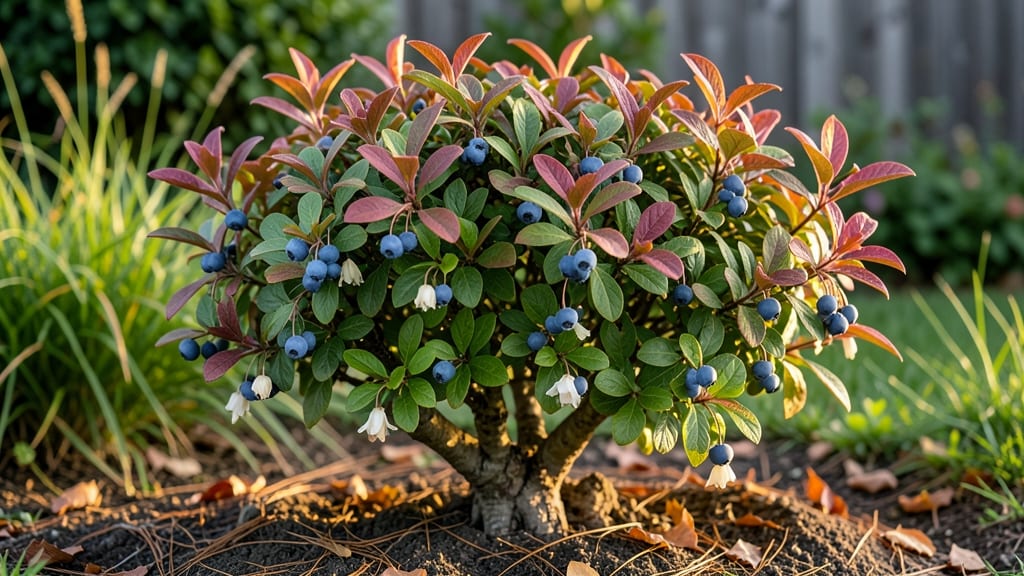
Blueberry tree leaves turning red isn’t always a problem—it’s often nature’s way of showing off. 🌿 I’ve watched my bushes transform from deep green to fiery red every fall, and while it’s stunning, we’ll figure out when to worry (and when to just enjoy the show).
The red comes from anthocyanins, pigments that protect leaves as days shorten. But if red appears mid-season or with yellowing, it could signal iron deficiency or overwatering. Check the soil pH—blueberries crave acidic conditions (4.5–5.5)—and test for nutrient imbalances.
First, prune any dead branches and adjust watering to keep roots happy. A light application of chelated iron or organic mulch can work wonders. If spots or wilting join the red, pests or disease might be at play—time to inspect closely.
Prevention is simple: regular soil tests, proper drainage, and avoiding heavy fertilizers. When in doubt, consult a local extension service—they’ve seen it all.
Root Causes Behind Reddening Leaves
When your blueberry tree’s leaves start blushing shades of red, it’s usually a sign of nature’s way of communicating—whether it’s a healthy seasonal shift or a cry for help. Understanding the why behind this color change is key to deciding whether to act or simply admire the autumnal spectacle.
Below, we break down the most common reasons, from natural processes to potential problems, with science-backed explanations and actionable insights.
One of the most common (and harmless!) reasons for reddening blueberry leaves is anthocyanin accumulation. These pigments, responsible for the vibrant reds and purples in fall foliage, act like sunscreen for plants. As daylight shortens and temperatures drop, blueberry trees ramp up anthocyanin production to:
- Protect leaves from photooxidative damage caused by intense sunlight reflecting off snow or frost.
- Recycle nutrients before shedding leaves, essentially "harvesting" phosphorus and nitrogen from dying cells.
- Boost cold tolerance by stabilizing cell membranes in freezing temps.
What to do: If the rest of the tree looks healthy (no wilting, yellowing, or spots), this is just seasonal magic. No intervention is needed—just enjoy the show! For a deeper dive, check out how anthocyanins work in other plants.
Blueberry trees are chill-loving plants, and extreme temperature swings—especially in late summer or early fall—can trigger reddening. Here’s how it happens:
| Trigger | Mechanism | Signs to Watch For |
|---|---|---|
| Sudden cold snaps (below 40°F) | Rapid temperature drops disrupt chlorophyll production, allowing red pigments (like carotenoids and anthocyanins) to dominate. | Leaves turn red from the edges inward; no browning or curling. |
| Intense afternoon sun after cool nights | Light stress causes oxidative damage, prompting the tree to produce protective pigments. | Reddening paired with slight leaf scorch (dry, crispy edges). |
| Frost damage (early fall frosts) | Ice crystals rupture cell walls, releasing pigments and triggering a "stress response." | Red patches paired with blackened or mushy spots. |
What to do:
- 🌡️ Monitor forecasts and protect young trees with row covers if frost is predicted.
- ✨ Mulch heavily (3–4 inches of wood chips) to insulate roots and buffer temperature swings.
- 💡 Avoid late-season fertilizing, which can encourage tender new growth vulnerable to cold.
Blueberry trees are mesic plants—they thrive in consistently moist (but not soggy) soil. When water balance goes awry, leaves may turn red as a distress signal. Here’s how:
🔥 Drought Stress
Insufficient water causes:
- Chlorophyll breakdown (leaves lose green pigment first).
- Anthocyanin buildup as a last-ditch effort to protect cells from dehydration.
- Premature leaf drop if stress persists.
Signs: Reddening paired with crispy edges, wilting, or leaves curling upward.
🌊 Overwatering or Poor Drainage
Waterlogged roots can’t absorb oxygen, leading to:
- Root asphyxiation, which disrupts nutrient uptake (especially nitrogen).
- Fungal infections (like Phytophthora) that cause leaf discoloration.
- Red or purple hues from phosphorus deficiency (a secondary symptom of poor root health).
Signs: Red leaves with yellowing between veins or mushy, dark spots.
What to do:
- 💧 Check soil moisture by sticking your finger 2 inches deep—water if dry, but avoid soggy soil.
- 🏗️ Improve drainage with raised beds or sand/perlite amendments if your soil is clay-heavy.
- 🌱 Mulch with pine needles (blueberries love acidic, well-draining conditions) to retain moisture without suffocating roots.
While red leaves often signal seasonal changes, a phosphorus deficiency can also cause a deep red or purple tint, especially in younger leaves. Phosphorus is critical for:
- Energy transfer in cells (ATP production).
- Root development and flower/fruit formation.
- Stress resistance (including cold and drought).
How to diagnose:
- Red/purple leaves on new growth (not just fall color).
- Stunted shoots or delayed bud break in spring.
- Dark, purplish stems or leaf undersides.
What to do:
- 📊 Test your soil (pH and nutrient levels) via a local extension office or home kit.
- 💡 Apply phosphorus-rich amendments like bone meal (5–10 lbs per 100 sq ft) in early spring.
- ✨ Avoid over-fertilizing with nitrogen (like lawn fertilizer), which can worsen phosphorus uptake.
Pro Tip: If you suspect nutrient issues, also check for magnesium deficiency (interveinal yellowing) or potassium deficiency (leaf edges browning), which can mimic phosphorus symptoms. A balanced blueberry-specific fertilizer can help correct imbalances.
Fixing Red Leaves on Blueberry Trees
Seeing your blueberry tree’s leaves blush red can be a stunning natural show—but if it’s unexpected or excessive, it might signal stress. The good news? Most causes have simple fixes.
Below, we’ll break down the most common reasons for reddening leaves and how to restore your tree’s vibrant green (or at least keep it healthy).
Too much water or soggy soil can suffocate roots, leading to yellowing or reddening leaves. Blueberry trees love moisture but hate "wet feet."
How to Fix It:
🔥 Step 1: Check the Soil – Stick your finger 2 inches into the soil. If it’s damp, hold off on watering. If it’s bone-dry, water deeply but infrequently. 🍳 Step 2: Improve Drainage – Amend heavy clay soil with compost or sand to help water flow. Raised beds work wonders for struggling trees. 👨🍳 Step 3: Adjust Watering Habits – Water at the base (not overhead) and only when the top inch of soil is dry. Early morning is best to prevent fungal issues. ⏰ Step 4: Mulch Properly – Apply 2–3 inches of organic mulch (like pine straw) to retain moisture without smothering roots.
💡 Pro Tip: Blueberries thrive in acidic, well-draining soil. Test your soil’s pH (ideal: 4.5–5.5) and adjust with sulfur or peat moss if needed.
Intense afternoon sun or sudden heat waves can scorch leaves, turning them red or crispy. Young trees or those in hot climates are especially vulnerable.
How to Fix It:
🔥 Step 1: Provide Shade – Use shade cloth (30–50%) during peak sun hours (11 AM–3 PM) if your tree is in full sun. 🍳 Step 2: Water Deeply – Increase watering frequency during heatwaves to keep roots cool. Aim for 1–2 inches of water per week. 👨🍳 Step 3: Prune Strategically – Thin out dense foliage to improve airflow and reduce heat buildup. ⏰ Step 4: Mulch Thickly – A 3-inch layer of mulch acts like insulation, protecting roots from temperature swings.
🌡️ Pro Tip: If your tree is newly planted, consider temporary shade (like a tarp or lattice) until it establishes deeper roots (usually 1–2 years).
Red or purple spots, wilting, or premature leaf drop often mean a fungal infection. These thrive in humid, wet conditions.
How to Fix It:
🔥 Step 1: Prune Infected Leaves – Remove and destroy (don’t compost!) severely affected leaves to stop spores from spreading. 🍳 Step 2: Apply Fungicide – Use a copper-based or neem oil spray (follow label instructions) every 7–10 days until new growth appears. 👨🍳 Step 3: Improve Airflow – Space trees 4–6 feet apart and prune to open the canopy. ⏰ Step 4: Water at the Base – Avoid overhead watering, especially in the evening, to keep leaves dry.
✨ Pro Tip: Prevent future outbreaks by ensuring your tree isn’t overcrowded and by cleaning up fallen leaves in autumn.
Red or purplish leaves can signal a lack of key nutrients. Blueberries often need extra iron or phosphorus, especially in alkaline soils.
How to Fix It:
🔥 Step 1: Test Your Soil – A simple home test kit or lab analysis will reveal deficiencies. Blueberries prefer acidic soil (pH 4.5–5.5). 🍳 Step 2: Amend the Soil – For iron deficiency, apply chelated iron or iron sulfate. For phosphorus, use bone meal or rock phosphate. 👨🍳 Step 3: Fertilize Right – Use an acid-loving plant fertilizer (like 10-10-10 with sulfur) in early spring and after harvest. ⏰ Step 4: Mulch with Pine Needles – This slowly acidifies the soil over time, mimicking the tree’s natural habitat.
🎯 Pro Tip: Over-fertilizing can burn roots. Start with half the recommended dose and monitor your tree’s response.
If your tree’s leaves turn red in autumn, it’s likely just senescing (aging naturally). No action is needed—just rake up fallen leaves in winter to prevent pests.
How to Prevent Stress-Induced Redding:
- Mulch annually to protect roots.
- Water consistently (deep and infrequent).
- Prune in late winter to encourage healthy growth.
- Monitor for pests (like spider mites), which can stress trees.
Most red leaves are a sign your tree is talking to you—whether it’s thirsty, sunburned, or hungry. With a little TLC, your blueberry tree will bounce back, and you’ll enjoy those sweet berries (and maybe even more vibrant foliage) next season! 🍇✨
Frequently asked questions
Is it normal for blueberry tree leaves to turn red in autumn?
Yes! This is completely natural due to anthocyanin pigments that develop as daylight shortens. These protective compounds help leaves recycle nutrients before falling. If the rest of the tree looks healthy, enjoy the seasonal show—no action needed!
What does it mean if my blueberry leaves turn red mid-summer?
Mid-summer reddening often signals stress—check for drought, nutrient deficiencies (like phosphorus), or sunburn. Wilting or crispy edges? Water deeply. Purple stems? Test soil pH (ideal: 4.5–5.5) and amend with chelated iron if needed.
Can I still harvest berries if leaves turn red?
Red leaves don’t affect berry quality unless caused by disease (like fungal spots) or severe nutrient deficiency. Focus on fruit quality—if berries look healthy, harvest as usual. Just address the root cause (water, soil, or pests) to keep next year’s crop vibrant.
How do I tell if red leaves are from cold stress vs. disease?
Cold stress causes red edges with no spots or wilting, while disease shows dark patches, yellowing, or mushy leaves. Check for frost damage (blackened areas) or fungal growth (white powder). If in doubt, prune affected branches and apply copper fungicide as a precaution.
Will red leaves spread to other blueberry bushes?
Only if caused by contagious diseases (like anthracnose) or pests (e.g., spider mites). Isolate affected plants, remove fallen leaves, and treat with neem oil. Healthy reddening (like fall color) won’t spread—it’s just your tree’s seasonal glow!