
Landscaping
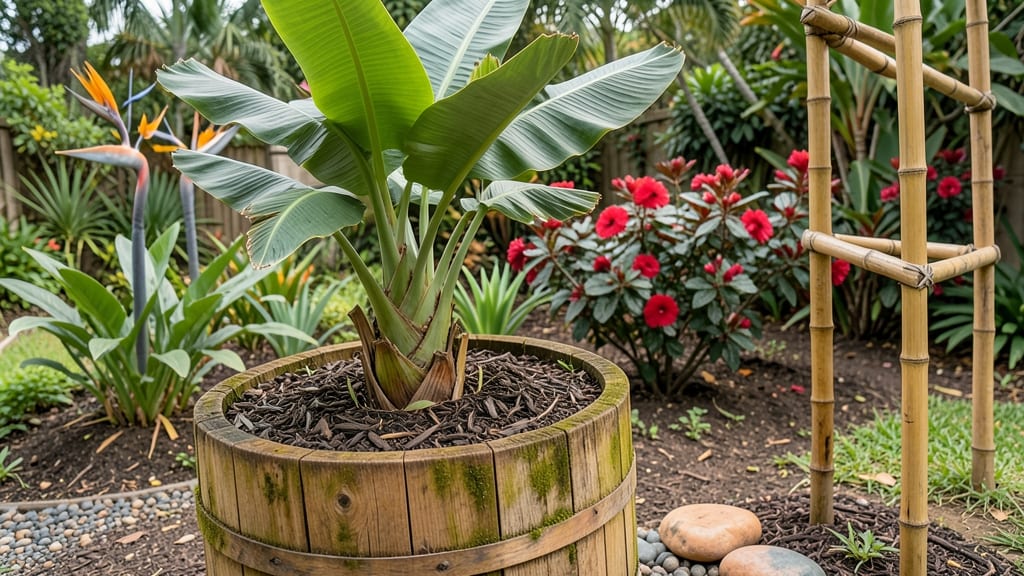
Creating a lush tropical privacy screen with banana tree landscaping ideas transforms your yard into a serene retreat in just three years. 🌿 I planted mine along a fence line, and within months, the bold leaves cast dappled shade while blocking nosy neighbors—no fence needed.
The key is spacing them 8-10 feet apart so their trunks mature into a natural, wind-resistant barrier.
These aren't just plants—they're statement-makers. Pair them with palm trees, bird-of-paradise, or hibiscus for a cohesive look, or let them stand alone as a dramatic focal point. In warmer climates, they thrive year-round; in cooler zones, treat them as seasonal giants that die back but regrow from the roots.
By year three, you’ll have a 12-foot-tall living wall that smells like sunshine and hums with hummingbirds. The maintenance is simple: prune dead fronds, fertilize occasionally, and watch as your space feels like a hidden jungle paradise.
Works for patios, pool areas, or entryways—anywhere you want instant tropical drama without the upkeep of a traditional hedge.
📚 In This Guide
- What you need
- Instructions
- Tips and common mistakes
- Wrapping up and next steps
What you need
- ● Banana tree plants: 3–5 Musa spp. (dwarf varieties like 'Dwarf Cavendish' or 'Ice Cream' for smaller spaces; larger varieties like 'Lady Finger' for bold impact).
- ● Check local climate zones—banana trees thrive in USDA Zones 10–11 but can be grown in containers in cooler areas.
- ● Soil amendments: 5–10 lbs of well-draining potting mix (for containers) or compost (for in-ground planting).
- ● 1–2 lbs of perlite or coarse sand (to improve drainage).
- ● Slow-release organic fertilizer (e.g., 10-10-10 or banana-specific blend).
- ● Planting supplies: Garden gloves (1 pair).
- ● Trowel or spade (for in-ground planting).
- ● 5–10 gallon containers with drainage holes (if growing in pots; size depends on maturity).
- ● Mulch (3–4 inches of wood chips or straw to retain moisture).
- ● Support structures: Bamboo stakes or tree ties (to train young plants).
- ● Trellis or privacy screen panels (for mixed landscaping).
- ● Pest control: Neem oil or insecticidal soap (for aphids or spider mites).
- ● Bird netting (to protect fruit if growing edible varieties).
- ● Decorative touches: Solar-powered string lights or lanterns for evening ambiance.
- ● Wind chimes or hanging planters (to complement the tropical vibe).
- ● ✅ Sunlight: Ensure your chosen spot gets full sun (6+ hours/day)—banana trees are sun-worshippers!
- ● ✅ Water access: Plan for weekly deep watering (containers dry out faster!).
- ● 💡 Pro tip: If planting in cooler climates, choose cold-hardy varieties like 'Red Dacca' or grow in containers for winter relocation.
- ● 🌱 Timing: Plant in spring or early summer to give roots time to establish before winter.
Step-by-Step guide to creating a tropical banana tree privacy screen
Here's how to transform your yard into a lush, fast-growing tropical oasis in just three years.
🌱 Step 1: Select and Prepare Your Planting Sites
Choose a location with 6-8 hours of direct sunlight daily—banana trees thrive in warmth but avoid afternoon shade that causes fruit to split. Test your soil first; banana trees prefer slightly acidic to neutral pH (6.0-7.5) and rich, well-draining soil. If your yard has heavy clay, amend with 3-4 inches of compost mixed into the top 12 inches of soil.
Dig planting holes twice as wide as the root ball but no deeper. The reason for this is banana trees have shallow, spreading roots that need room to establish quickly. Space each tree 10-15 feet apart for a dense screen—closer spacing encourages faster growth but may require pruning later. I like to mark the spots with wooden stakes before digging to ensure straight lines.
☀️ Step 2: Plant and Stake for Wind Protection
Remove the banana tree from its container and loosen any circling roots gently with your fingers. Place the root ball in the hole so the top sits 1-2 inches above ground level—this prevents water from pooling around the stem. Backfill with native soil mixed with 50% compost to improve fertility and drainage.
Water deeply immediately after planting to settle the soil and eliminate air pockets. Then, install a 4-5 foot bamboo stake on the side facing prevailing winds and tie the trunk loosely with soft plant ties. Banana trees grow fast but can topple in strong winds—this gives them stability without restricting growth. Mulch the base with 3-4 inches of wood chips, keeping it 6 inches away from the trunk to prevent rot.
💧 Step 3: Water and Fertilize for Rapid Growth
Water newly planted banana trees deeply 2-3 times per week for the first month, ensuring the soil stays moist but not soggy. You'll know it's right when the top 2-3 inches of soil feel damp to touch. After establishment, reduce to 1-2 times per week, adjusting for rainfall. Overwatering is the fastest way to kill these tropical beauties—yellowing leaves usually mean too much moisture.
Start fertilizing 4-6 weeks after planting with a balanced organic fertilizer (10-10-10) applied every 6-8 weeks during the growing season. Banana trees are heavy feeders, so I double the recommended dose in spring and summer. In winter, cut back to monthly applications or use a slow-release fertilizer to avoid overstimulating growth when the plant is dormant.
✂️ Step 4: Prune and Train for a Dense Screen
Remove any dead or damaged leaves immediately to prevent disease. Once the tree reaches 6-8 feet tall, start pruning the oldest, largest leaves to encourage new growth from the base. These leaves don't regrow, so I remove 1-2 at a time every 2-3 months during the growing season. This creates a bushier plant and prevents the screen from becoming too open at the top.
If your banana trees develop fruit, harvest it promptly—leaving fruit on the plant diverts energy from foliage growth. You'll see new shoots emerging from the base within 6-12 months. These can be left to grow into a multi-trunk screen or transplanted to fill gaps. I usually wait until they're 3-4 feet tall before separating them to ensure they have enough energy to establish.
🪴 Step 5: Maintain and Protect Through Seasons
In winter, reduce watering to once every 2-3 weeks unless your climate stays mild. Banana trees are tropical but can survive light frosts if protected. Wrap the trunks with burlap or frost cloth when temperatures drop below 30°F, and remove it in spring once new growth appears. This simple step prevents cold damage that can take years to recover from.
Watch for pests like aphids or scale, which love new banana growth. I spray with neem oil at the first sign of infestation—it's organic, effective, and won't harm beneficial insects. For a dense, fast-growing screen, I also add a second row of trees 5-6 feet behind the first after the first year. This staggered planting creates a thicker barrier within 2-3 years, just as promised.
Tips & tricks for perfect tropical privacy screens
Creating a lush, fast-growing tropical screen takes more than just planting—here's how to ensure your banana trees thrive and grow into that dense, private oasis in record time.
Sunlight Strategy: The 6-8 hours of direct sunlight mentioned in Step 1 is non-negotiable for banana trees. If your yard has afternoon shade, consider planting more aggressive varieties like 'Dwarf Cavendish' that can tolerate slightly less sun, though they may grow more slowly. I've found that positioning trees slightly north of full sun areas can actually help prevent fruit from splitting while still maintaining vigorous growth.
Root Ball Preparation: When loosening circling roots in Step 2, be gentle but thorough—these roots can strangle the plant if left intact. I like to use my fingers to tease them apart rather than cutting, as this minimizes damage to the root system. The wider planting holes you create (twice the root ball width) are crucial for accommodating those shallow, spreading roots that banana trees develop so quickly.
Fertilizer Timing: The 4-6 week wait before first fertilization in Step 3 gives your trees time to establish without overstimulating new growth. I've seen many gardeners rush this and end up with leggy, weak plants. Once you start fertilizing, stick to the 6-8 week schedule during growing season—banana trees are heavy feeders but can't handle constant nitrogen. The double dose in spring and summer creates that rapid growth we want for our privacy screen.
Winter Protection: The 30°F threshold mentioned for frost protection is critical. I've learned this the hard way—banana trees can survive brief dips below freezing if properly protected, but prolonged exposure at 28°F or lower will kill the plant. When wrapping trunks, leave some space around the base to allow for airflow and prevent moisture buildup that can lead to rot. Remove the protection in spring only after you see new growth emerging.
Pro Tips for Banana Tree Landscaping Ideas
- Creating a lush, fast-growing tropical screen takes more than just planting—here's how to ensure your banana trees thrive and grow into that dense, private oasis in record time.
- Sunlight Strategy: The 6-8 hours of direct sunlight mentioned in Step 1 is non-negotiable for banana trees.
- Root Ball Preparation: When loosening circling roots in Step 2, be gentle but thorough—these roots can strangle the plant if left intact.
Frequently asked questions
Got questions about growing banana trees for landscaping? You’re not alone—these tropical beauties are full of surprises! Here are answers to the most common queries to help you plan like a pro.
How long does it take for a banana tree to grow tall enough for a privacy screen?
A mature banana tree can reach 15–25 feet in 3–5 years under ideal conditions (warmth, full sun, and rich soil). For a quick privacy screen, choose fast-growing varieties like Musa acuminata or plant multiple trees for a denser effect sooner. Patience pays off—just imagine that lush, tropical barrier in just a few seasons!
Can banana trees survive winter in cold climates?
Most banana trees are tropical and thrive in USDA zones 10–11. In colder areas (zones 8–9), they’ll need protection:
- Mulch heavily around the base.
- Wrap the trunk in burlap or straw.
- Plant near a south-facing wall to absorb heat.
How much water do banana trees need for landscaping?
Banana trees love consistent moisture but hate soggy roots. Water deeply 2–3 times per week during the first year, then taper to 1–2 times weekly once established. Pro tip: Mulch with 3–4 inches of organic material (like wood chips) to retain moisture and regulate soil temperature. Avoid overhead watering to prevent fungal diseases like sigatoka leaf spot.
What are some low-maintenance alternatives to banana trees for privacy?
If banana trees seem too high-maintenance, try these tropical-looking, fast-growing alternatives:
| Plant | Height | Pros |
|---|---|---|
| Ornamental Bamboo (e.g., Bambusa multiplex) | 10–20 ft | Clumping (non-invasive), drought-tolerant, and thrives in zones 7–11. |
| Screening Palm (e.g., Chamaedorea elegans) | 6–10 ft | Slow-growing, shade-tolerant, and pet-friendly. |
| Dwarf Date Palm (Phoenix roebelenii) | 10–15 ft | Cold-hardy (zone 10), compact, and great for containers. |
All three offer privacy without the fuss of banana trees!
Why are my banana tree leaves turning yellow or brown?
Yellow/brown leaves usually signal overwatering, pests, or nutrient deficiencies. Here’s a quick fix guide:
- Overwatering: Let soil dry slightly between waterings; improve drainage.
- Pests (e.g., spider mites, scale): Spray with neem oil or insecticidal soap.
- Nutrient deficiency: Fertilize with a balanced tropical plant food (high in potassium) every 6–8 weeks.
- Sunburn: If leaves scorch, provide afternoon shade.
Prevention tip: Monitor leaves regularly—early action keeps your banana tree lush and healthy!
Wrapping up and next steps
Transforming your outdoor space with banana trees isn’t just about patience—it’s about vision. These lush, fast-growing plants can create a stunning tropical privacy screen in just three years, adding beauty, shade, and even edible rewards to your yard.
Whether you’re drawn to their dramatic foliage or the promise of a private oasis, the key is to start small, plan wisely, and embrace the journey.
Ready to turn your dream into reality? Start by sketching your design, gathering supplies, and planting your first banana tree this season! 🌱 Your future tropical retreat awaits—happy growing!