
Companion Plants
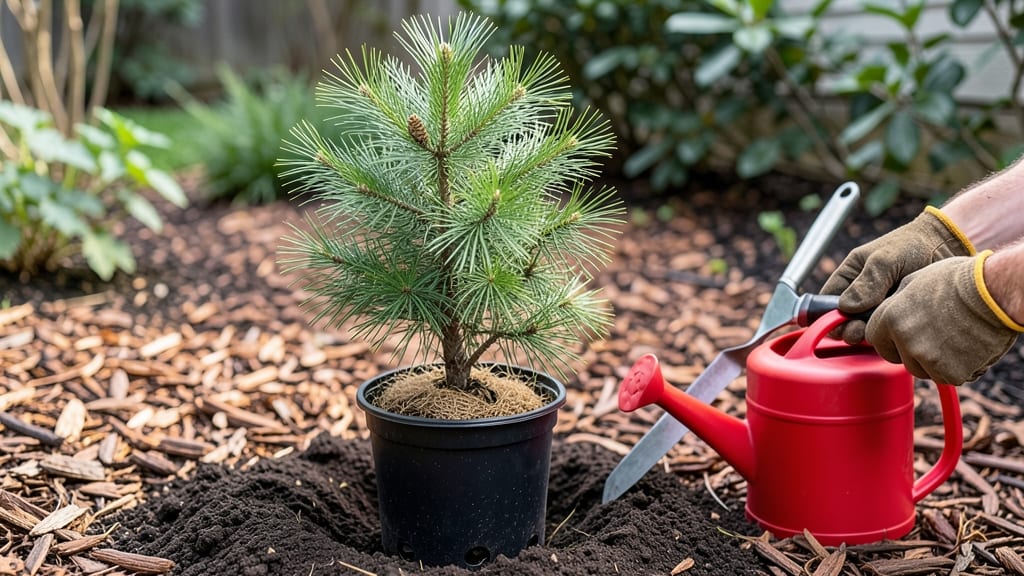
Planting cedar tree plants creates a fast-growing privacy screen that outpaces anything you’ll find at the nursery. 🌲 I’ve watched my Eastern Red Cedar hedge grow from 1-foot saplings to a 10-foot-tall living wall in just three years—with minimal fuss.
The key lies in choosing the right species, spacing them properly, and giving them the right start. Western Red Cedar thrives in cooler climates, while Eastern Red Cedar handles heat and drought like a champ.
Both need full sun and well-draining soil, but the real secret is spacing them 3-4 feet apart for that lush, unbroken look. Water deeply after planting, then let nature take over—they’re tough once established.
By year three, you’ll have a fragrant, wind-blocking screen that smells amazing and never needs chemical fertilizers. Birds love nesting in them, and the evergreen foliage stays vibrant all winter. The only pruning you’ll need is shaping the top in early spring.
Works in zones 3-8, from coastal gardens to inland yards. Here’s how to get started without the guesswork—no green thumb required.
📚 In This Guide
- What you need
- Instructions
- Tips and common mistakes
- Wrapping up and next steps
What you need
- ● Cedar tree plants: 3–5 young cedar saplings (e.g., Thuja occidentalis or Thuja plicata) per 6-foot section of privacy screen. Choose 1–3 feet tall for faster growth.
- ● High-quality potting soil: 2–3 bags (18–25 lbs each) of well-draining, peat-based mix for planting.
- ● Organic mulch: 1–2 bags (2–3 cubic feet) of pine bark or cedar chips to retain moisture and suppress weeds.
- ● Slow-release fertilizer: 1 bag of balanced 10-10-10 or cedar-specific fertilizer (follow package rates).
- ● Watering can or hose: With a gentle spray nozzle for even moisture distribution.
- ● Shovel or trowel: For digging planting holes (12–18 inches wide/deep).
- ● Measuring tape: To space plants 3–5 feet apart for optimal growth.
- ● Gloves: Heavy-duty gardening gloves to protect hands.
- ○ Pruning shears: For trimming new growth (optional but helpful).
- ● Erosion control fabric: If planting on a slope to prevent soil runoff.
- ● Plant stakes: To support young cedars in windy areas.
- ● Drip irrigation system: For automated watering (great for long-term care!).
- ● Soil pH tester: Cedar trees prefer slightly acidic soil (pH 5.0–7.0).
How to plant cedar trees for a fast-growing privacy screen
Here's how to get your cedar privacy screen growing strong in just three years—no waiting around.
🌱 Step 1: Choose the Right Cedar Variety and Planting Location
For fastest growth, go with Eastern Red Cedar or Thuja Green Giant—both grow 2-3 feet per year when conditions are right. Avoid low-lying areas where water pools; cedars hate soggy roots. Instead, pick a spot with full sun to partial shade and well-draining soil.
I always test the soil first by digging a 6-inch hole and checking moisture. If it stays wet for more than a day, amend with 2-3 inches of compost to improve drainage. The goal is soil that feels slightly damp but not muddy when squeezed—like a wrung-out sponge.
🪴 Step 2: Dig Holes and Prepare the Planting Site
Dig holes twice as wide as the root ball but only as deep as the container the cedar came in. This prevents burying the trunk too deep, which causes rot. I use a shovel and trowel to loosen the sides of the hole so roots can spread easily into surrounding soil.
Space your 4 cedar plants 4-6 feet apart for a dense screen. If you want a taller barrier faster, plant them 3 feet apart—just know they’ll need pruning to maintain shape. Mix a handful of all-purpose fertilizer into the bottom of each hole to give roots a nutrient boost right away.
☀️ Step 3: Plant and Water for Immediate Establishment
Gently remove the cedar from its container and place it in the hole so the top of the root ball sits level with the ground. Fill the hole with soil, pressing lightly to remove air pockets. I always do a quick check by looking at the trunk—it should be straight up and down, not tilted.
Water deeply right after planting—1-2 gallons per plant—until water runs out the drainage holes. This settles the soil and eliminates air gaps around the roots. Mulch with 2-3 inches of wood chips in a 3-inch-wide ring around each plant, keeping mulch 6 inches away from the trunk to prevent rot.
✂️ Step 4: Prune and Maintain for Fast Growth
Skip pruning the first year—let the cedars focus on root growth. In year two, prune in late winter or early spring before new growth starts. Use clean, sharp pruners to trim back any dead or crossing branches to encourage a fuller shape. Never cut more than 1/3 of the plant at once.
Water once a week during the first growing season, giving each plant 1-2 gallons unless you’ve had steady rain. After that, cedars are drought-tolerant, but young plants need consistent moisture to establish roots. Fertilize in early spring with a balanced 10-10-10 formula to keep growth strong.
⏰ Step 5: Monitor and Adjust for Optimal Growth
Check your cedars monthly for signs of stress—yellowing leaves or stunted growth usually means too much shade or poor drainage. If you notice browning at the tips, it’s often a sign of underwatering or salt buildup from hard water. Adjust by watering deeper or switching to rainwater if needed.
By year three, your screen should be 8-10 feet tall with a dense, full look. If any plants lag behind, give them a light pruning to encourage bushier growth. With proper care, you’ll have that fast, lush privacy screen in no time—no waiting decades for slow-growing alternatives.
Tips & tricks for perfect cedar tree privacy screens
These little details make all the difference when planting cedars for a fast-growing screen.
Variety Matters: Eastern Red Cedar and Thuja Green Giant are your best bets—they hit that 2-3 feet per year growth rate when given proper care. I’ve seen people choose slower-growing varieties and wonder why their screen isn’t filling in. Stick with these two for that promised three-year privacy solution.
Soil Test First: That 6-inch hole you dig to test moisture is your secret weapon. If the soil stays wet beyond a day, you’ve got a drainage problem. I’ve amended soil with 2-3 inches of compost in these cases, and the difference in plant health is night and day. Think of it as giving your cedars a sponge bath—they need that slightly damp, not soggy, environment.
Planting Depth Check: The top of the root ball should sit level with the ground—never buried deeper than its container. I’ve seen too many people bury the trunk too deep, and it leads to rot. After planting, give the trunk a visual once-over—it should stand straight up like a soldier, not lean like a drunkard.
Watering Wisdom: Those 1-2 gallons per plant right after planting aren’t just numbers—they’re your insurance against air pockets around the roots. Water until it runs out the drainage holes, then mulch with 2-3 inches of wood chips in that 3-inch ring. This keeps moisture in while preventing rot at the trunk by keeping mulch 6 inches away.
Pro Tips for Cedar Tree Plants
- These little details make all the difference when planting cedars for a fast-growing screen.
- Variety Matters: Eastern Red Cedar and Thuja Green Giant are your best bets—they hit that 2-3 feet per year growth ra...
- Soil Test First: That 6-inch hole you dig to test moisture is your secret weapon. If the soil stays wet beyond a day,...
Frequently asked questions
Got questions about growing cedar trees for your privacy screen?
Here are answers to the most common ones—so you can plant with confidence!
How fast do cedar trees actually grow for a privacy screen?
Most cedar varieties (like Thuja occidentalis or Thuja plicata) grow 1–2 feet per year under ideal conditions. With proper spacing (4–6 feet apart), you can achieve a full privacy screen in 3–5 years. For faster results, opt for Thuja plicata (Western Red Cedar), which can reach 2–3 feet annually.
When is the best time to plant cedar trees for maximum growth?
Plant cedar trees in early spring or fall for the best root establishment. Avoid extreme heat (summer) or frost (winter). If planting in spring, water deeply every 2–3 days for the first month to help roots settle. Pro tip: Mulch around the base (2–3 inches) to retain moisture and suppress weeds.
Can cedar trees grow in full shade? What about full sun?
Cedars thrive in partial shade to full sun, but growth slows significantly in deep shade. For a privacy screen, aim for at least 4–6 hours of sunlight daily. If your yard is shady, choose Thuja occidentalis 'Smaragd'—it tolerates low light better than most varieties but may grow more slowly.
What’s the best way to prune cedar trees for a neat privacy screen?
Prune cedars once a year in late spring or early summer to shape them. Use clean, sharp shears to avoid tearing branches. Trim just outside the leaf clusters (not into the wood) to encourage bushier growth. Warning: Avoid over-pruning—cedars recover slowly from heavy cuts.
Are cedar trees prone to pests or diseases? How do I prevent issues?
Cedars are generally low-maintenance, but watch for bagworms, spider mites, or root rot in damp soil. Prevent pests by keeping trees healthy (water deeply but avoid soggy roots) and spraying with neem oil if needed. Fungal diseases (like cedar blight) are rare but can occur in humid climates—ensure good airflow by spacing plants properly.
What’s a good alternative if cedar trees don’t grow well in my area?
If cedars struggle in your climate, consider fast-growing alternatives like:
- Leyland Cypress (grows 3–4 feet/year, loves sun)
- Arborvitae (Thuja) (similar care, slightly slower but hardy)
- Bamboo (if non-invasive varieties are planted) (for dense, rapid screening)
- Privet Hedges (great for formal, clipped designs)
Check your USDA hardiness zone to pick the best match!
Wrapping up and next steps
Growing a cedar tree privacy screen is a rewarding project that delivers stunning results in just three years! 🌲 With the right soil, spacing, and care, these fast-growing evergreens will transform your yard into a lush, secluded retreat.
Whether you’re enhancing curb appeal or adding natural noise reduction, cedars are a low-maintenance, high-impact solution.
Ready to get started? Sketch your layout, gather your supplies, and plant your first row this season. Your future privacy oasis awaits—happy digging! 🌱