
How To
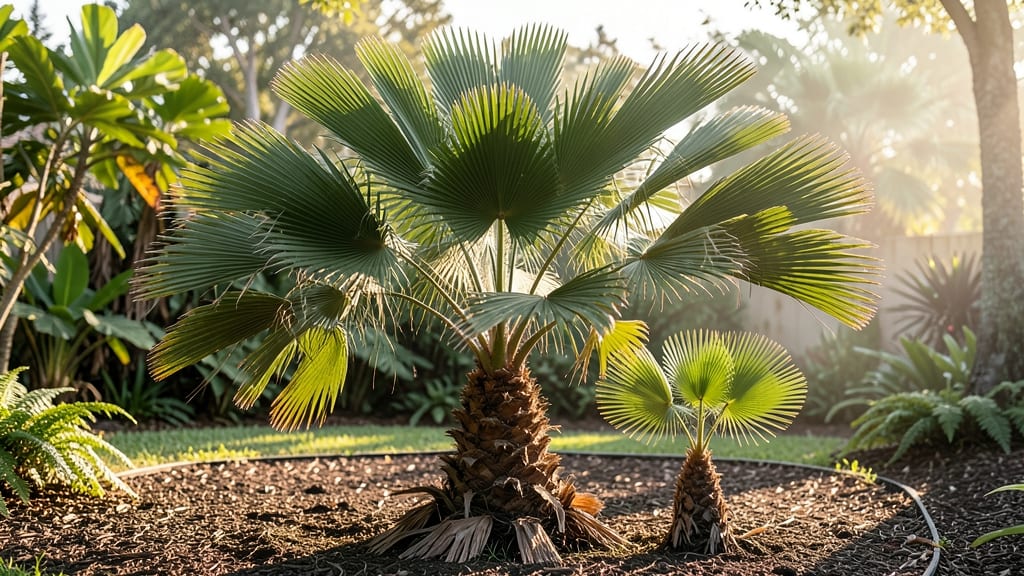
How tall does a palm tree grow? The answer varies dramatically—from just 8 feet to towering over 100 feet—depending entirely on the species you choose.
If you're dreaming of tropical landscapes or planning a backyard oasis, knowing how tall palm trees grow is essential—some tower over 100 feet while others stay compact, and the difference can transform your outdoor space.
Fast-growing varieties like the Mexican Fan Palm can reach 30 feet in just a decade, while dwarf palms like the Pygmy Date Palm max out at 15 feet, making them perfect for small yards. The right choice depends on your climate, available space, and long-term vision for your garden.
In this guide, I’ll break down the fastest-growing species, how to estimate growth in your region, and whether a dwarf palm or a giant variety fits your landscape goals—so you can plant with confidence.


Fastest-growing palm tree species and their mature heights
If you're adding palm trees to your landscape, growth speed and mature height can make or break your design plans. Some varieties shoot up 10 feet per year while others grow just a few inches annually.
The fastest-growing palms can transform your outdoor space in as little as 5 years, making them perfect for quick privacy screens or dramatic focal points.
Not all fast-growing palms reach the same height. For example, the Mexican Fan Palm can grow 30-50 feet in ideal conditions, while the Mediterranean Dwarf Palm stays under 15 feet. Your choice depends on whether you want a towering tropical statement or a more manageable accent plant.
Let's explore the top fastest-growing palm species and their mature heights to help you pick the perfect fit.
🌴 Key Tip: Always check your USDA hardiness zone before planting—some tropical palms won't survive cold snaps below 20°F. Most fast-growing palms thrive in zones 9-11, but a few cold-hardy varieties extend their range.
| Palm Species | Mature Height | Annual Growth Rate | Ideal Climate Zones | Best For |
|---|---|---|---|---|
| Mexican Fan Palm | 30–50 ft | 2–3 ft/year | 9–11 (tropical) | Large yards, privacy screens |
| Windmill Palm | 20–30 ft | 1.5–2.5 ft/year | 8–11 (drought-tolerant) | Arid landscapes, low-water gardens |
| Mediterranean Dwarf Palm | 8–15 ft | 1–1.5 ft/year | 7–11 (cold-hardy) | Small yards, containers, urban gardens |
| Pygmy Date Palm | 6–10 ft | 0.5–1 ft/year | 8–11 (slow but steady) | Patio pots, small spaces |
| California Fan Palm | 20–40 ft | 1.5–2 ft/year | 8–11 (native to CA) | Desert landscapes, erosion control |
| Bismarck Palm | 50–70 ft | 3–4 ft/year (fastest!) | 10–11 (tropical only) | Large estates, tropical resorts |
| Sago Palm | 6–10 ft | 0.5–1 ft/year | 7–11 (drought-resistant) | Xeriscaping, low-maintenance gardens |
| Chinese Fan Palm | 15–25 ft | 1–2 ft
How to estimate a palm tree’s growth potential in your climatePredicting how tall your palm tree will grow depends on more than just the species—your local climate, soil quality, and sunlight exposure all play critical roles. For example, a Canary Island Palm might reach 60–100 feet in Florida’s USDA Zone 9b but struggle to exceed 30 feet in Zone 8a like Southern California. Understanding these factors helps you choose the right palm for your space and avoid costly mistakes. Start by checking your USDA Hardiness Zone—this tells you which palm species thrive in your area. Cold-sensitive varieties like Coconut Palms (Cocos nucifera) need Zone 10+, while hardier Mediterranean Fan Palms (Chamaerops humilis) survive down to Zone 7b. Cross-reference this with your local average winter lows—palms can’t handle frost, even if they’re labeled for your zone. ⚠️ WARNING: Overestimating Growth Potential Can Backfire
⚠️
Soil and Sunlight Matter More Than You Think!
Poor drainage can stunt growth by 30–50%, while insufficient sunlight (less than 6 hours/day) slows height gain to just 1–2 feet/year instead of the expected 3–5 feet. In Zone 10, a California Fan Palm might reach 40 feet in ideal conditions but only 15–20 feet if planted in shady, compacted soil. Case Study: A Pygmy Date Palm in Houston (Zone 9a) with full sun and well-draining soil hits 12–15 feet in 10 years, but the same palm in clay-heavy soil with partial shade may only reach 8–10 feet. Test your soil’s drainage by digging a 12-inch hole and filling it with water—if it drains in less than 2 hours, your palm will thrive. If water pools after 4+ hours, amend with organic matter (compost or sand) to improve aeration. Palm trees hate soggy roots, which can lead to root rot and stunted growth. In Texas or Florida, where heavy rains are common, consider raised beds or mounds to elevate roots. Sunlight exposure directly impacts growth rates. A Mexican Fan Palm (Washingtonia robusta) grows 3–5 feet/year in full sun but may only add 1–2 feet/year in partial shade. In California’s coastal regions (Zone 9b–10a), where fog reduces sunlight, opt for shade-tolerant varieties like the Mediterranean Dwarf Palm (Chamaerops humilis), which maxes out at 10–15 feet but thrives in 4–6 hours of sun. Water availability is another game-changer. Young palms need deep watering 2–3 times/week during their first 2 years, but overwatering in Zone 11 (like Arizona or Southern Florida) can be as harmful as underwatering. Mature palms in Zone 9–10 only require 1–2 inches of water/week, but potted palms dry out faster and may need daily checks in summer. Use a moisture meter to avoid guesswork. Finally, account for wind exposure—coastal areas (like Southern California or the Gulf Coast) experience salt spray and strong winds, which can stress palms and slow growth. If you’re in Zone 10 near the ocean, choose wind-resistant species like the California Fan Palm or Pindo Palm, which tolerate 20+ mph winds better than delicate Coconut Palms. With these factors in mind, you’ll avoid the disappointment of a 50-foot palm in a 10-foot-tall backyard. |