
Companion Plants
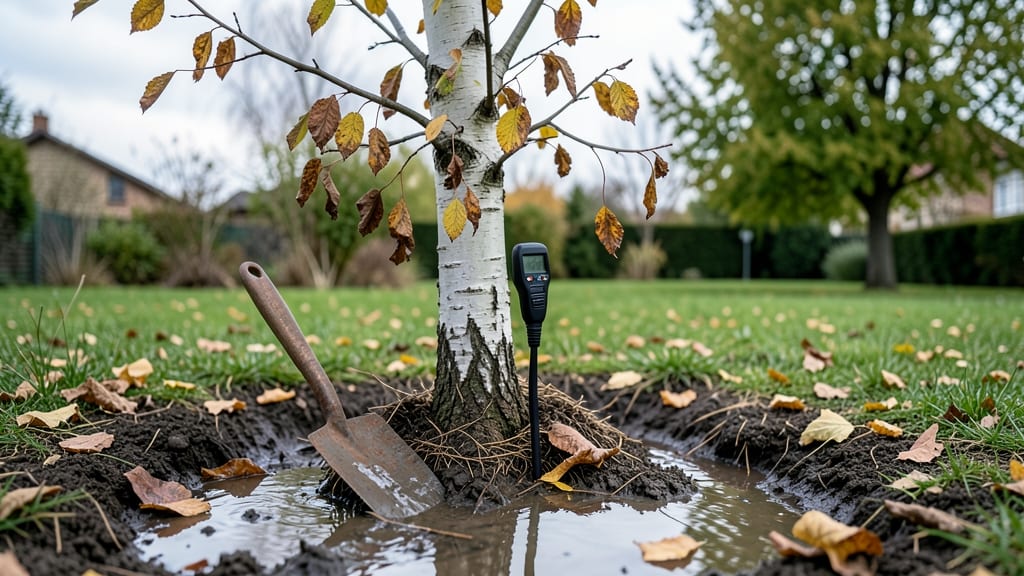
An overwatered tree can recover if you act quickly, as early signs like yellowed leaves or drooping foliage often indicate reversible stress. Drain saturated soil, trim affected roots, and modify your watering routine—but severe cases may develop root rot that permanently weakens the tree.
Overwatering creates a suffocating environment where roots can't breathe, leading to anaerobic conditions that promote harmful fungi like Phytophthora. 🌱 The good news? Trees are resilient—many bounce back when you improve drainage and reduce moisture.
I've seen maples and oaks revive after just a few weeks of proper care, though tropical species like avocados need immediate intervention. Start by testing soil moisture with your finger: if it feels soggy more than an inch down, you're watering too much.
For stubborn cases, consider adding organic compost to improve soil structure or installing a French drain to redirect excess water. Remember, prevention is key—most trees thrive on deep but infrequent watering, especially during their first two years.
My biggest lesson? Always check the soil before watering—your tree's survival might depend on it.
💡 In This Article
- How Overwatering Damages Tree Roots and What to Watch For
- Step-by-Step Revival Plan for Overwatered Trees
How overwatering damages tree roots and what to watch for
Overwatering triggers a cascade of problems starting with root suffocation. When soil stays saturated for more than 48 hours, oxygen levels drop below 10%—the critical threshold roots need to respire.
This creates anaerobic conditions where harmful bacteria and fungi like Phytophthora thrive, breaking down root tissues. 🌱 Think of it like drowning: roots can't absorb nutrients or water when their environment lacks oxygen, leading to cellular starvation.
The damage becomes visible through specific symptoms. Yellowing leaves (chlorosis) appear first, especially on older foliage, as the tree struggles to transport nutrients. Wilting occurs even when soil is wet because roots can't pull moisture upward.
Look for stunted growth—new shoots may appear weak or fail to harden—and mushrooms or mold near the base, signaling fungal infections. In severe cases, the bark may develop cracks or lesions as internal pressure builds from rotting roots.
Different tree species show varying resilience. Deciduous trees like oaks often recover better than evergreens because their leaves can shed stress indicators faster. Tropical species (e.g., avocados) show symptoms within 24-48 hours of overwatering, while drought-tolerant trees (e.g., junipers) may take 2-3 weeks to display visible decline.
The key is catching these signs early—before roots begin to die back permanently.
Soil texture plays a critical role in how quickly damage occurs. Clay soils hold moisture for weeks, accelerating rot, while sandy soils drain faster but still suffocate roots if watered daily. Even well-draining soils can become problematic if you're using automatic irrigation systems that don't account for rainfall.
Always check soil moisture by pushing your finger 2-3 inches deep—if it feels damp, wait before watering again.
What most gardeners miss is the hidden root zone where the real damage happens. The first 6 inches of soil are where most fine roots live, but they extend 12-18 inches deep in mature trees.
When this zone stays waterlogged, roots begin to girdle (strangle) each other, cutting off nutrient flow. This is why trees may appear healthy above ground while their roots silently decay below.
Consider this: a 10-year-old oak tree with 1 million roots can lose 50% of its fine roots in just 3 weeks of overwatering. The good news? Roots are more resilient than most people realize—they can regenerate if you improve drainage and reduce moisture stress.
The challenge is acting before the tree's structural roots (the thick, woody ones) begin to fail.