
Pruning
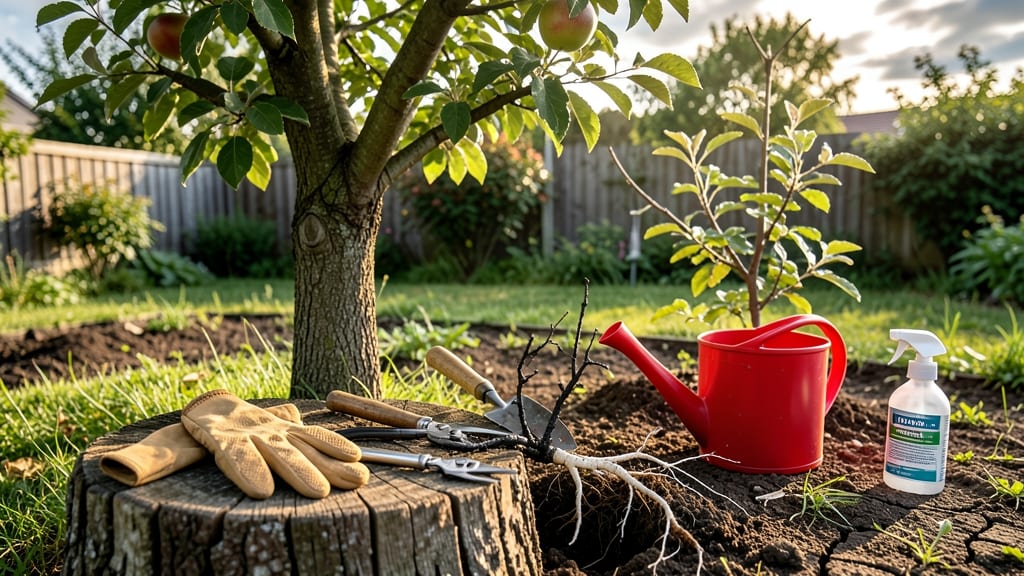
Determining if your apple tree is dead requires checking for new growth in spring or at the base, but watch for bark damage, rot, or cracks—these are clear indicators of death. Flexible branches and visible buds or sap suggest life remains, so don't prune or replace it yet.
Your apple tree might still have a chance if you catch these signs early. 🌱 The key is observing both above-ground and below-ground clues—new shoots at the base or green leaves in spring often mean the tree is still alive, even if it looks dormant.
Bark condition is critical: deep cracks, peeling, or soft, mushy spots signal irreversible damage from disease or pests. I always recommend testing a few branches for flexibility—if they snap like dry wood, that's a red flag.
Even if the tree appears dead, wait until late winter or early spring before making a final call, as some varieties bloom later in the season.
What often trips up gardeners is confusing dormancy with death. Many apple trees go through periods of apparent inactivity during winter, especially in colder climates. 🍎 The real test comes when buds should be swelling or leaves emerging—if nothing happens by late spring, that's when you can start considering replacement.
I've seen trees come back from the brink after proper care, so don't give up until you've checked all the signs thoroughly.
💡 In This Article
- 5 Key Signs Your Apple Tree Is Actually Dead
- How to Revive a Stressed Apple Tree Before It Dies
5 Key signs your apple tree is actually dead
The death of an apple tree typically begins with vascular system failure, where water and nutrients can no longer travel through the tree's xylem and phloem tissues. This often happens due to fungal infections like canker disease or root rot, which block these pathways.
When this occurs, you'll notice bark splitting—deep, jagged cracks that expose the inner wood. These splits are nature's way of relieving internal pressure as moisture builds up and freezes, then thaws, creating irreversible structural damage. 🌳
Another critical indicator is the absence of buds—healthy apple trees should have swollen buds by late winter or early spring, signaling new growth. If you find no buds at all on branches or the trunk, the tree's cambium layer (the growth-producing tissue just under the bark) has likely died.
Additionally, hollow trunks or soft, spongy bark suggest advanced decay, often from pests like borers or environmental stress like prolonged drought. These signs mean the tree's core has rotted, leaving it beyond recovery.
Environmental stress accelerates this process. Drought causes roots to dry out, while excessive moisture invites fungal growth. Pests like apple borers tunnel into the trunk, disrupting nutrient flow. Even winter freeze damage can kill cambium cells, preventing new growth.
If your tree shows multiple signs—like cracked bark, no buds, and hollow sections—it's likely dead. The key is acting before these symptoms become permanent, as early intervention can sometimes save a struggling tree.
Don't overlook the flexibility test—healthy branches bend slightly without snapping. If they break like dry kindling, the wood has lost moisture and structural integrity. Sap flow is another clue: no sap when you cut a small branch means the tree can't transport fluids.
Even if leaves appear in spring, check their color and texture—yellowing or brittle leaves signal poor health, while dark green and firm leaves indicate vitality. 🍃
Season matters too. In late winter, trees should show signs of life, like bud swell or sap bleeding at pruning cuts. If nothing happens by early spring, the tree may be dead.
However, some varieties bloom later, so wait until mid-spring before making a final judgment. For example, Granny Smith apples often bloom later than Fuji—knowing your tree's variety helps avoid premature conclusions.
One final warning: don't confuse dormancy with death. Apple trees enter a resting phase in winter, but if they retain leaves or show green shoots by spring, they're still alive.
The difference between a dormant tree and a dead one often comes down to root health—digging near the base to check for white, firm roots (not brown or mushy) can confirm if the tree has a chance.
If roots are intact but the canopy is bare, the tree might just need a deep watering or fertilization boost.