
Pruning
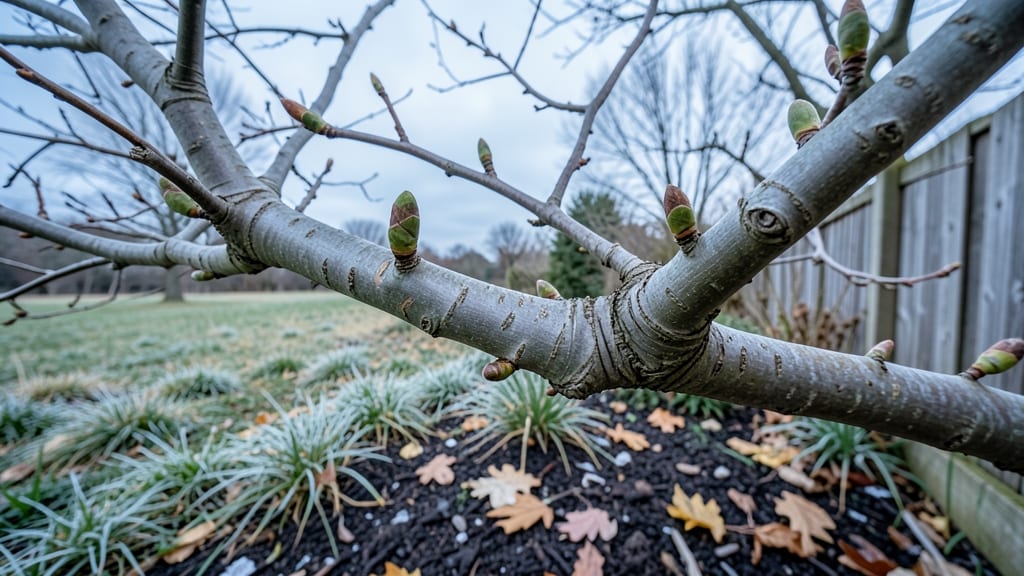
Pruning dormant tree branches in winter isn’t just about tidying up—it’s the secret to stronger growth next spring. 🌿 I’ve learned the hard way that cutting at the wrong time or missing key signs leads to weak branches or even disease.
The best part? You can do this safely with just a few tools and a little patience.
First, identify what to cut: dead branches snap easily when bent, while healthy ones bend slightly. Look for signs like missing bark, hollow centers, or mushrooms growing at the base—those are clear "cut me" signals. Winter’s the perfect time because trees aren’t actively growing, so they heal faster.
Start with small branches using sharp pruners, then move to larger ones with a pruning saw. Always cut just outside the branch collar (that swollen area where the branch meets the trunk) to avoid leaving stubs.
You’ll see new shoots emerge within weeks, and your tree will thank you with fuller, healthier foliage.
Safety first: wear gloves, eye protection, and avoid working near power lines. If your tree is large or diseased, call a professional. This method works for fruit trees, shade trees, and even young saplings—just adjust the timing based on your climate’s last frost date.
Natural Growth Cycles Explained
Understanding why dormant branches appear in winter starts with recognizing how trees naturally operate. Unlike humans, trees don’t "sleep" in the same way—rather, they enter a period of dormancy to conserve energy and survive harsh conditions.
This seasonal slowdown is a survival mechanism, but it also explains why some branches seem inactive or "dead" during colder months.
Trees enter dormancy primarily due to two key factors: temperature shifts and daylight changes. As autumn arrives, shorter daylight hours and dropping temperatures signal trees to halt growth.
This triggers the production of abscisic acid, a plant hormone that slows metabolism, closes stomata (pores on leaves), and redirects nutrients to roots and trunk storage. The result? Branches appear dormant, even if they’re still alive beneath the surface.
Actionable insight: If you’re unsure whether a branch is truly dormant or dead, scratch a small section of bark with your fingernail. If green phloem (the inner layer) appears, the branch is alive but dormant. No green? It’s likely dead.
Extreme cold can cause branches to die back or appear dormant prematurely. When temperatures plunge suddenly, water in the branch’s cells can freeze and expand, rupturing cell walls—a process called cytoplasmic freezing. This disrupts nutrient flow and can kill the branch’s vascular system, making it look shriveled or gray.
Certain tree species, like maples or fruit trees, are more susceptible to freeze damage.
If a branch snaps under ice or snow weight, it may leave behind a dormant-looking stump that’s actually dead tissue. Pro tip: Prune damaged branches in late winter (when the tree is still dormant) to avoid inviting pests or disease into fresh cuts.
During dormancy, trees reallocate resources from branches to their core structure. Weak or non-essential branches—often those growing inward or crossing others—get starved of nutrients. Without energy to sustain them, these branches dormant prematurely, turning brown or brittle. This is nature’s way of pruning itself!
You’ll often see this in young trees or those recovering from stress (e.g., transplant shock, drought). If you notice clusters of small, dormant twigs, the tree is likely prioritizing root and trunk growth over aerial expansion.
Sometimes, what looks like dormancy is actually a masked infection. Fungal diseases (e.g., anthracnose) or insect infestations (like borers) can weaken branches, causing them to appear dormant when they’re actually dying. Look for:
- ✅ Cracks or oozing sap (sign of borer tunnels or canker diseases).
- ✅ Sawdust-like frass (insect droppings at branch bases).
- ✅ Mushrooms or shelf fungi growing at the branch collar.
If you suspect disease, sterilize pruning tools with rubbing alcohol before cutting to prevent spreading pathogens.
Aggressive pruning—especially in late summer or early fall—can shock a tree into premature dormancy. When you remove too much foliage at once, the tree loses its ability to photosynthesize, depleting energy reserves.
This stress forces branches into a false dormancy, where they stop growing but may not fully recover.
Key rule: Never remove more than 25% of a tree’s canopy in one season. Winter pruning (while dormant) is ideal because it minimizes stress and lets the tree heal before spring growth.
Fixing Dead Branches Properly
When dormant branches threaten your tree’s health—or worse, your safety—it’s time to act. The good news? With the right tools and techniques, you can restore your tree’s vitality while keeping your property secure.
Below, we’ll break down practical fixes for common issues, from overgrowth to disease, along with prevention tips to keep your tree thriving year-round.
Dead or dying branches (often called "widowmakers") are hazards waiting to happen. Here’s how to prune them out without harming the tree:
🔥 Step 1: Identify the Problem Branch
- Look for: Dry, brittle wood; lack of leaves/buds; or dark, cracked bark.
- Test it: Scratch the bark—if it’s dark underneath, it’s dead.
Tap it—if it sounds hollow, it’s a risk. - Pro tip: 💡 Use a pruning saw for thick branches (2+ inches) and hand pruners for smaller ones.
👨🍳 Step 2: Cut at the Right Spot
- Make the cut: Aim for the branch collar (the swollen area where the branch meets the trunk).
Avoid leaving stubs—this invites disease. - Angle matters: Cut at a 45-degree angle just outside the collar to promote healing. - ⚠️ Warning: Never cut flush with the trunk—this can girdle the tree and kill it.
🥘 Step 3: Sanitize Tools & Dispose of Debris
- Clean tools: Wipe blades with rubbing alcohol or a 10% bleach solution between cuts to prevent spreading disease.
- Remove debris: Bag and dispose of dead branches—don’t leave them near the tree (they can harbor pests).
Some branches just need a little winter wake-up call. If they’re alive but not thriving, try these revival techniques:
🌡️ Step 1: Thin Out Crowded Growth
- Why? Overcrowded branches compete for sunlight and nutrients, weakening the tree.
- How? Remove 1/4 to 1/3 of the canopy to improve airflow and light penetration.
- Focus on: Crossing branches (rubbing against each other) and water sprouts (fast-growing, weak shoots).
🎯 Step 2: Prune for Structure
- Shape the tree: Use the "open-center" method for fruit trees or "central leader" for young trees to guide growth.
- Avoid topping: Cutting back to a stub weakens the tree—always make clean cuts at the branch collar.
✨ Step 3: Fertilize & Mulch in Early Spring
- Feed the roots: Apply a balanced fertilizer (10-10-10) in early spring when new growth starts.
- Mulch properly: Spread 2-4 inches of mulch (wood chips or bark) around the base—but keep it 6 inches away from the trunk to prevent rot.
The best pruning is proactive. Follow these easy habits to avoid future issues:
- 🌿 Prune in late winter/early spring (just before buds swell) to avoid stressing the tree.
- 🌧️ Water deeply during droughts—dry spells cause branches to die back.
- 🐜 Monitor for pests (like borers or aphids) and treat early with neem oil or insecticidal soap.
- 🌡️ Avoid winter pruning (below 40°F)—cold stress can harm the tree.
Final Note: If your tree is large, diseased, or in a high-risk area, hire a certified arborist—safety first! With the right cuts and care, your tree will bounce back stronger than ever. 🌳✂️
Frequently asked questions
How do I tell if a dormant branch is dead or just sleeping?
Scratch the bark with your fingernail—if you see green phloem underneath, it's alive but dormant. If the inner bark is dark or crumbly, the branch is dead. Also test by bending it: dead branches snap easily, while live ones bend slightly.
Is it safe to prune dormant branches in freezing temperatures?
Prune when temperatures are above 40°F to prevent cold stress on fresh cuts. Late winter (just before buds swell) is ideal—this gives the tree time to heal before spring growth begins.
What's the best way to remove a large dormant branch without damaging the tree?
Use a pruning saw and cut just outside the branch collar at a 45-degree angle. Never leave stubs—this creates entry points for disease. For branches thicker than 3 inches, make two cuts to avoid tearing the bark.
Will pruning dormant branches encourage new growth?
Removing dead or weak branches redirects the tree's energy to healthier growth. You'll often see new shoots emerge within 2-4 weeks of proper pruning, especially if you fertilize lightly in early spring.
What should I do with the branches after pruning?
Bag and dispose of dead branches immediately—they can harbor pests and diseases. For healthy branches, you can compost them (if disease-free) or use them as mulch around other plants.