
Plants
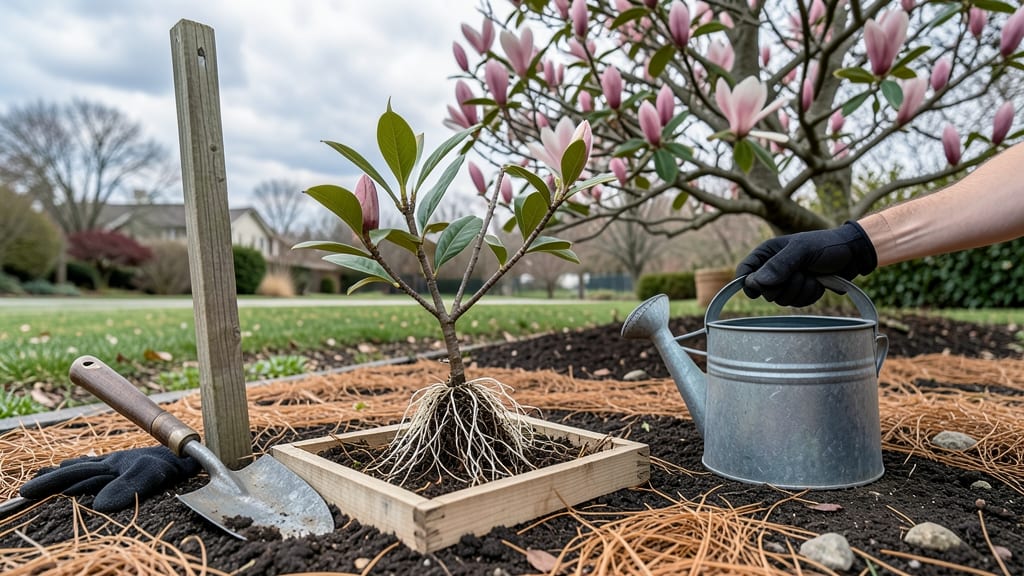
Planting a magnolia tree in Zone 7 during late fall to early spring gives it the best shot at thriving 🌸 — and missing that window can mean years of stunted growth.
If you’ve ever watched a magnolia struggle through a Zone 7 winter or wilt under summer heat, you know timing matters. The right month means faster root establishment, fewer transplant shocks, and stronger blooms in just a few years.
In Zone 7, late fall (October-November) or early spring (March-April) are your golden windows. Plant too early, and frost can damage tender roots; too late, and the tree won’t settle in before summer stress hits.
Below, I’ll break down the exact months to plant, how to prep your soil for Zone 7’s tricky clay or sandy patches, and the three mistakes that kill magnolias before they even take hold.
Best months to plant magnolia trees in Zone 7 for maximum survival
Magnolia trees are stunning ornamental giants, but their success in Zone 7 hinges on planting at the right time. Unlike many plants, magnolias thrive when planted during cool, dormant seasons—either late fall or early spring.
This timing allows roots to establish before extreme heat or frost arrives, giving your tree the best chance to flourish. In Zone 7, where last frosts typically hit around mid-April and first frosts arrive by mid-October, these windows become critical.
Zone 7’s climate varies significantly from the Appalachian Mountains to the Mid-Atlantic coast, with microclimates affecting frost dates. For example, Charlottesville, VA may have earlier frosts than Atlanta, GA. Always check your local USDA frost map to fine-tune your planting schedule.
The goal is to plant when soil temperatures are below 60°F but before the ground freezes—typically October to November or March to April.
Why these months? Fall-planted magnolias benefit from natural winter chilling, which encourages robust root growth before spring. Spring planting, on the other hand, gives roots time to establish before the Zone 7 summer heat sets in. Avoid planting in late spring or summer, as the stress of transplanting during hot, dry periods can stunt growth or even kill young trees.
| Planting Window | Soil Temp Threshold | Zone 7 Months | Pros | Cons |
|---|---|---|---|---|
| Late Fall | 40–50°F | October–November | Roots establish in cool soil; natural winter chilling | Risk of early frost if planted too late |
| Early Spring | 50–60°F | March–April | Avoids summer heat stress; longer growing season | May face summer drought if not watered properly |
| Avoid | Above 60°F | May–September | N/A | High transplant shock; poor root establishment |
If you’re planting in late fall, aim for October or early November in most of Zone 7. This gives roots time to settle before winter dormancy. For example, in Raleigh, NC, the first frost usually arrives by mid-November, so planting by late October is ideal.
In Chattanooga, TN, where frosts can come earlier, September planting might work if soil temps stay above 50°F.
For early spring planting, March to early April is your best bet. By this time, the soil has warmed enough for root growth, but the tree won’t face the Zone 7 summer heatwave immediately.
In Washington, DC, where last frosts average April 15, planting by mid-March ensures roots establish before extreme heat arrives. Always dig a soil temperature probe to confirm conditions—50–60°F is perfect.
One common mistake is planting magnolias in late spring or summer, thinking the tree will grow faster. However, the Zone 7 heat and drought conditions can overwhelm young roots, leading to transplant shock.
If you must plant outside these windows, choose container-grown magnolias, which handle heat slightly better than bare-root varieties. But even then, late fall or early spring remain the gold standard.
Microclimates within Zone 7 can shift planting windows by 2–4 weeks. For instance, mountainous areas like Asheville, NC may have earlier frosts, while coastal regions like Norfolk, VA might stay warmer longer.
Use your local Cooperative Extension Service as a resource—they provide hyper-local frost data and planting guides tailored to your area.
Once you’ve chosen your window, prepare the site by amending the soil with compost and organic matter to improve drainage. Magnolias hate waterlogged roots, so ensure the planting hole is well-draining.
After planting, mulch heavily (3–4 inches) to retain moisture and protect roots from temperature swings. Water deeply once a week for the first two months, then taper off as roots establish.
With the right timing and care, your magnolia will reward you with showy blooms and fragrant foliage for decades.
Whether you plant in cool October evenings or brisk March mornings, sticking to these windows ensures your magnolia tree gets off to a healthy, thriving start in Zone 7’s unique climate. 🌳
How to prepare your Zone 7 soil for magnolia tree planting success
Magnolia trees thrive in Zone 7 when planted in the right soil conditions, but the clay-heavy or sandy soils common here can pose challenges. The key to success lies in amending your soil before planting to create an environment that mimics their natural, acidic forest floors.
Without proper prep, your magnolia may struggle with poor drainage or nutrient deficiencies, leading to stunted growth or even death.
Start by testing your soil pH—magnolias prefer a range of 5.0 to 6.5. Most Zone 7 soils lean alkaline, so you’ll likely need to lower the pH with organic matter like pine needles, peat moss, or sulfur-based amendments.
This adjustment isn’t just about pH; it also improves soil structure, helping roots establish more quickly in the dense clay or fast-draining sand typical of this zone.
- Use a soil test kit to check pH.
- If pH > 6.5, add elemental sulfur (1 lb per 100 sq ft).
- Mix in composted pine bark (3 inches) to acidify naturally.
- For clay soil: Dig a 12-inch deep hole and add coarse sand or perlite (20%).
- For sandy soil: Blend in peat moss or coconut coir (30%) to retain moisture.
- Ensure the hole is 3x wider than the root ball for root spread.
- Mix 50% native soil with 50% compost or aged manure.
- Add a 2-inch layer of mulch (pine straw or wood chips) after planting.
- Avoid fresh mulch—it can mat down and suffocate roots.
- North Zone 7 (e.g., Cincinnati): Add leaf mold for moisture retention.
- South Zone 7 (e.g., Atlanta): Incorporate gypsum to break up clay.
- Coastal Zone 7 (e.g., Charleston): Use sand + compost to prevent waterlogging.
Once your soil is amended, water deeply before planting to settle the amendments and remove air pockets. Magnolias have sensitive roots, so avoid compacting the soil during prep.
If your Zone 7 soil is particularly dense, consider planting in a raised bed filled with the amended mix—this gives roots the ideal environment without battling native soil conditions.
After planting, maintain the mulch layer to regulate soil temperature and moisture. In Zone 7’s humid summers, mulch also prevents fungal diseases by keeping the root zone cool. Re-test your soil pH in 6 months and re-amend if needed—magnolias are heavy feeders and will deplete nutrients over time.
With the right soil prep, your magnolia will establish strong roots and grow into a fragrant, shade-providing giant for decades. The effort you put into soil preparation now will pay off in vibrant blooms and lush foliage year after year. 🌿