
How To
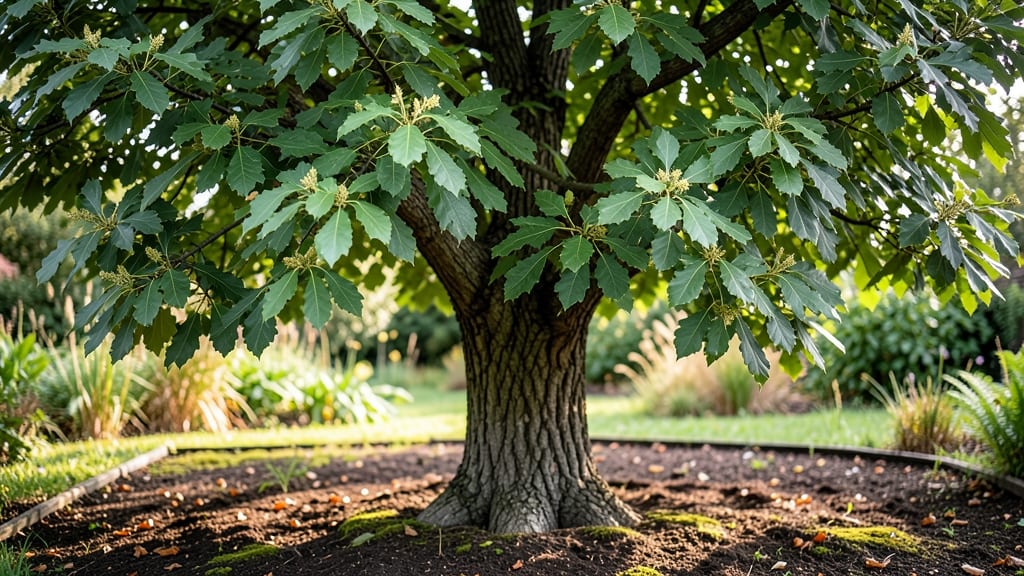
A black walnut tree 🌳 can grow between 40 and 75 feet tall, making it a towering presence in any landscape—but that height comes with planning you won’t want to overlook.
If you're considering planting one, knowing its mature height isn’t just about aesthetics—it’s about planning for shade, property boundaries, and long-term care that could last over a century.
In the right conditions, this tree can shoot up 3 feet per year in its early years, but soil quality, sunlight, and even your local climate zone play a huge role in how tall it ultimately becomes.
Below, I’ll break down the exact height ranges by region, what factors can stunt or speed up growth, and whether this giant is right for your backyard or better suited for larger properties.


Black walnut tree height by region: exact mature size expectations
If you're planting a black walnut tree (Juglans nigra), its mature height can vary dramatically based on your region. In the Southern U.S., these trees often reach 60-75 feet, while in Northern climates, they typically max out at 40-60 feet.
Understanding these differences helps you plan for shade, property lines, and long-term maintenance before planting.
Soil type plays a crucial role too. Well-draining, slightly acidic soil (pH 6.0-7.0) encourages faster growth, while clay-heavy or alkaline soils can stunt height development.
In USDA Zones 5-9, where black walnuts thrive, your local climate will dictate whether your tree becomes a towering giant or a more manageable specimen.
The comparison table below breaks down exact height expectations by region, including how Southern warmth vs. Northern chill affects growth rates. This will help you visualize your tree's potential and plan accordingly.
| Region | Climate Zone | Mature Height Range | Growth Rate (Annual) | Key Influencing Factor |
|---|---|---|---|---|
| Southern U.S. (TX, LA, FL) | Zones 8-10 | 60-75 ft | 2-3 ft/year | Longer growing season |
| Midwest (MO, IL, IN) | Zones 5-7 | 50-65 ft | 1.5-2.5 ft/year | Moderate frost risk |
| Northeast (NY, PA, MA) | Zones 4-6 | 40-55 ft | 1-2 ft/year | Shorter growing season |
| Pacific Northwest (WA, OR) | Zones 6-8 | 55-70 ft | 2-3 ft/year | High rainfall |
In Southern climates, black walnut trees grow faster due to warmer temperatures and longer growing seasons.
For example, in Texas or Louisiana, a tree might reach 40 feet in just 20 years, while in New York or Michigan, it may take 30+ years to reach the same height. This regional variation is critical when planning spacing and potential shade coverage.
Soil composition also affects height potential. Sandy loam soils allow roots to penetrate deeply, supporting taller growth, while compacted or waterlogged soils can restrict height to 30-40 feet even in ideal climates. Always test your soil before planting to ensure optimal conditions for a healthy, tall-growing black walnut.
If you're in a smaller urban yard, consider planting near property lines to accommodate the tree's mature size. However, be aware that black walnut roots release juglone, a chemical that inhibits growth of many plants. Plan accordingly to avoid damaging nearby vegetation.
For maximum height control, prune young trees annually to establish a strong branch structure. This practice doesn’t stunt growth but ensures the tree develops properly shaped limbs that can support its eventual height.
In Northern regions, expect slower early growth due to shorter summers, but with proper care, your tree can still reach impressive heights over time.
Remember that black walnut trees live for centuries, so your planting decision today will impact your landscape for generations. Whether you're in sunny Florida or chilly Minnesota, understanding these regional height expectations will help you make an informed choice for your property.
🌳
Factors that determine how tall your black walnut tree will grow
Your black walnut tree (Juglans nigra) isn't just a shade provider—it's a long-term investment that can reach 40-75 feet under ideal conditions. But whether it grows to its full potential or stays shorter depends on several key factors you can control.
Understanding these will help you plan for its mature height and health from day one.
The soil pH is one of the most critical factors. Black walnut trees thrive in acidic to slightly acidic soil with a pH between 5.0 and 6.5. If your soil is too alkaline, the tree's root growth will slow, directly impacting its height.
Test your soil before planting—amending it with sulfur or peat moss can make a dramatic difference in early growth.
🌱 Key Factors for Black Walnut Tree Height
- Soil pH: 5.0-6.5 (acidic)
- Sunlight: 6-8+ hours daily
- Water: Deep, consistent moisture
- Pruning: Early shaping = controlled growth
💡 Pro Tip: Mulch with wood chips to retain moisture and acidify soil naturally.
Sunlight exposure plays an equally vital role. Black walnut trees are sun-worshippers, requiring at least 6-8 hours of direct sunlight daily. Planting in a shady spot or under mature trees will stunt its growth by 20-30%.
If your yard has partial shade, consider planting it where it gets morning sun and minimal afternoon obstruction.
Water drainage is another often-overlooked factor. While black walnut trees are drought-tolerant once established, their roots need well-draining soil to prevent rot. Poor drainage can lead to root suffocation, which slows height growth and weakens the tree.
Amend heavy clay soil with compost or sand to improve aeration and water flow.
Pruning habits can accelerate or stunt growth depending on when and how you intervene. Structural pruning in the first 3-5 years helps guide the tree's shape and encourages upward growth.
However, avoid heavy pruning after the tree matures—this can stress the tree and reduce its natural height potential. Focus on removing dead or crossing branches rather than shaping.
Finally, your local climate zone matters. Trees in warmer Southern regions (like USDA Zones 7-9) often reach 70+ feet due to longer growing seasons, while those in cooler Northern zones (like Zones 4-6) may max out at 50-60 feet.
If you're in a colder zone, choose a sunny, sheltered location to maximize growth.
By paying attention to these factors, you can help your black walnut tree reach its genetic height potential—or keep it slightly shorter if space is limited.
The key is consistency: acidic soil, full sun, proper drainage, and smart pruning will set the stage for a healthy, towering tree that provides shade and nuts for decades. 🌳