
Plants
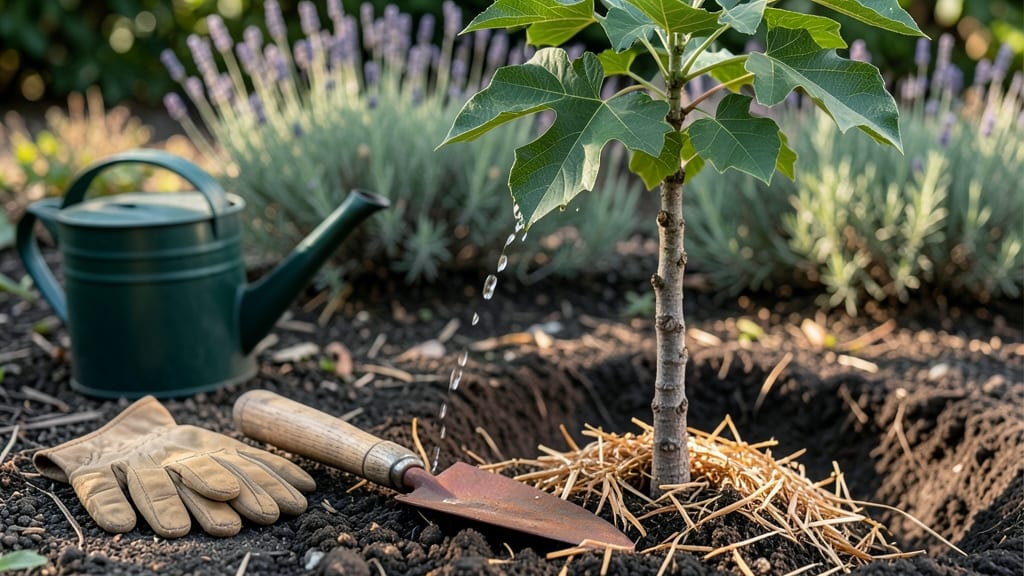
Planting a fig tree 🍈 in the ground at the right time ensures it thrives and bears fruit for years—so timing matters more than you might think.
Picture this: you’ve picked out the perfect spot, the soil is prepped, and you’re ready to plant—only to watch your sapling wither when a late frost hits. That’s why knowing when to plant is the key to success, especially in cooler zones where frost can be deadly.
For most gardeners in USDA Zone 6 and warmer, the ideal window is April through May, after the last frost date. But in warmer climates like Zone 9 or 10, fall planting can also work—just avoid the hottest summer months when roots struggle to establish.
Below, I’ll break down the exact months for your zone, plus soil prep tips and regional tweaks to give your fig tree the best start possible.
Best planting months for fig trees by USDA climate Zones
Fig trees thrive in warm climates but struggle with frost, so planting timing depends entirely on your USDA zone. In Zone 7, you’ll need to wait until late spring after the last frost, while Zones 9-11 offer more flexibility with fall planting options.
The key is ensuring soil temperatures stay above 60°F (15°C)—fig roots are sensitive to cold.
Container-grown figs adapt better to transplant shock than bare-root trees, so they can be planted 2-3 weeks earlier in spring. In-ground planting requires well-draining soil and full sun exposure (6+ hours daily) to prevent root rot and ensure fruit production. Let’s break down the exact months for each zone.
In Zone 7, where frosts linger until late April, I recommend planting bare-root figs in May after soil temperatures exceed 65°F (18°C). Use a thermometer to monitor—fig roots won’t establish if soil stays cold.
For container planting, you can start 2 weeks earlier since pots warm faster.
Zones 8-9 offer spring and fall options, but fall planting must occur 6-8 weeks before first frost. In Texas (Zone 8), I’ve seen figs thrive when planted in October, but they need mulch protection for winter.
Southern California’s Zone 9 allows year-round planting, but avoid July-August due to extreme heat.
For Zones 10-11, timing is less critical, but I still recommend cooler months to reduce transplant shock. In Florida (Zone 10), plant in January-February to align with natural rainfall patterns. Hawaii’s Zone 11 lets you plant anytime, but mulching is essential to prevent soil erosion in tropical downpours.
Pro tip: If you’re in a transitional zone (e.g., Zone 8a vs. 8b), check your local frost-free date via the USDA Plant Hardiness Map. For example, San Antonio (Zone 8b) has a later frost date than Charlottesville (Zone 7b), so adjust your planting window accordingly.
After planting, water deeply to settle soil and mulch with 2-3 inches of organic matter to retain moisture. Figs hate soggy roots, so ensure your planting site has well-draining soil. In containers, use a mix of 50% potting soil and 50% perlite to prevent compaction.
Remember: Container-grown figs can be moved indoors during winter in Zones 7-8, extending their lifespan. Just place them near a south-facing window for 6+ hours of sunlight daily. This flexibility makes containers ideal for urban gardeners with limited space.
🌱🍈
How to prepare your fig tree for planting by season
Preparing your fig tree for planting starts long before you dig the first hole. These Mediterranean natives thrive with specific soil conditions and sunlight requirements, so proper prep ensures your sapling takes root quickly.
Whether you're planting in spring or fall, follow this checklist to create the ideal growing environment.
First, test your soil pH using a simple test kit—fig trees prefer a 6.0 to 7.0 range. If your soil is too acidic or alkaline, amend it with lime (to raise pH) or sulfur (to lower pH) 4-6 weeks before planting.
This gives microbes time to adjust and prevents root burn.
For container-grown figs, choose a pot at least 24 inches wide with drainage holes. Use a well-draining potting mix (60% soil, 30% perlite, 10% compost) to mimic their native rocky terrain.
If planting in Zone 9-11, you can plant year-round, but spring (March-April) is ideal for maximizing root establishment before summer heat.
One critical step often overlooked is mulching. Apply 3-4 inches of organic mulch (straw or wood chips) around the base to retain moisture, suppress weeds, and regulate soil temperature.
Keep mulch 6 inches away from the trunk to prevent rot. In drought-prone areas, mulch also helps retain precious water during dry spells.
Finally, inspect your fig tree roots before planting. Gently tease apart circling roots and trim any damaged sections with sterilized shears. This encourages outward growth and reduces stress. For bare-root figs, soak roots in water mixed with rooting hormone for 1-2 hours before planting.
With these preparations, your fig tree will have the best chance to establish strong roots and produce fruit within 2-3 years. The key is patience—figs grow quickly once settled, but they reward careful prep with sweet, homegrown harvests for decades. 🍈