
Companion Plants
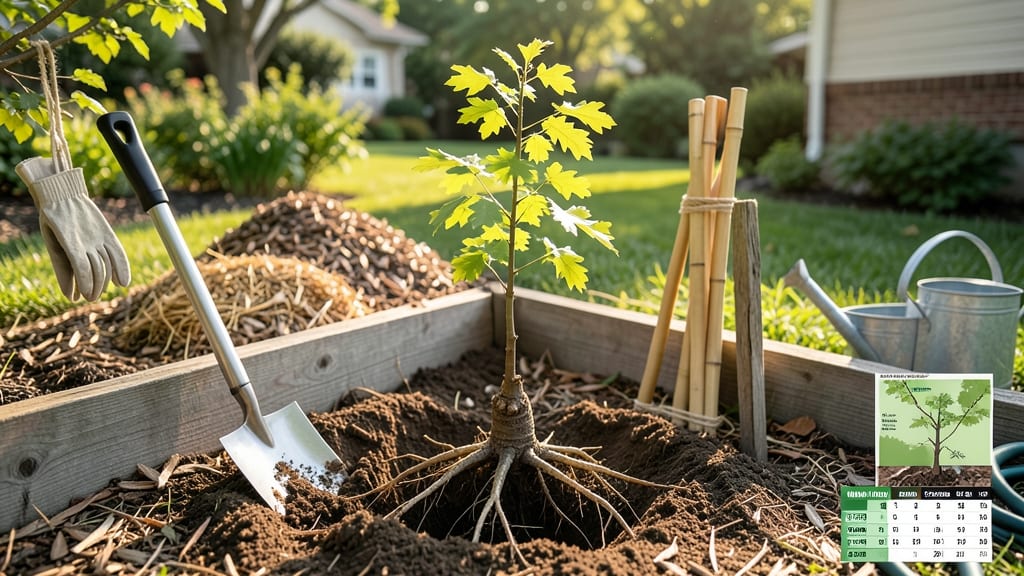
The best time to plant a tree in Wisconsin is late April through early June or September to mid-October, when soil is workable but not frozen, and temperatures allow root establishment before winter or summer stress. Avoid extreme heat or cold periods for optimal success.
The ideal planting windows in Wisconsin align with soil temperature thresholds and frost-free periods. 🌱 Spring planting (late April-June) gives young roots time to establish before summer heat, while fall planting (September-October) allows roots to grow before winter dormancy.
Wisconsin's climate varies—northern regions need earlier spring planting than southern areas, and container-grown trees can be planted slightly later than bare-root varieties. I always check the USDA hardiness zone map for my specific location to confirm the exact window.
Proper site preparation is just as critical as timing. Test your soil's pH and amend with compost or organic matter if needed, especially in Wisconsin's heavy clay soils. Dig a hole twice as wide as the root ball but no deeper, then water thoroughly before planting.
Mulch with 2-3 inches of organic material (like wood chips) to retain moisture and regulate soil temperature. For newly planted trees, I recommend deep watering every 7-10 days during the first growing season to encourage deep root growth.
💡 In This Article
- Wisconsin Tree Planting Seasons Explained
- Soil and Site Prep Checklist for Wisconsin Tree Planting
Wisconsin tree planting seasons explained
Wisconsin's tree planting windows hinge on two critical biological processes: root establishment and frost avoidance. Trees need soil temperatures above 50°F for optimal root growth, which typically occurs in late April through early June. This period gives young roots 4-6 weeks of active growth before summer heat stress sets in.
The science here involves the tree's cambium layer—this growth tissue becomes active when soil temperatures consistently stay above 50°F, allowing roots to spread and anchor the tree before dormancy in winter.
Fall planting (September to mid-October) works because trees enter dormancy naturally, but they still need 4-6 weeks of root growth before ground freezes. Wisconsin's climate creates microclimates where northern regions (like the Upper Peninsula) may need to plant 2-3 weeks earlier than southern areas (like Milwaukee or Madison).
For example, in Zone 3 (northern WI), aim for late April to early May, while Zone 5 (southern WI) can extend planting until early June. The key is avoiding planting when soil is frozen or when late spring frosts threaten new growth.
What most gardeners don't realize is how Wisconsin's clay-heavy soils affect timing. Clay soils warm up more slowly in spring and hold moisture differently than sandy soils. This means trees planted in clay may need 1-2 extra weeks of warm soil before roots can establish properly.
I've seen oak seedlings struggle in clay soils if planted before mid-May, while apple trees in sandy soils thrive when planted in late April. Always check soil temperature with a soil thermometer—it's the most accurate way to confirm readiness.
Container-grown trees offer more flexibility than bare-root varieties. Their roots are already established in soil, so they can handle planting 2-3 weeks later than bare-root trees. This is why many nurseries recommend fall planting for container trees—roots continue growing until ground freezes, giving them a head start in spring.
For bare-root trees, however, timing is tighter: plant them as soon as soil is workable to prevent root desiccation. The difference in survival rates between properly timed and delayed planting can be 30-40%.
Consider these seasonal factors when planning:
- Spring planting: Prioritize species like oaks, maples, and fruit trees that need deep root growth before summer
- Fall planting: Ideal for shade trees (birch, linden) that benefit from winter moisture
- Microclimate adjustments: South-facing slopes warm faster than north-facing areas—plant there first
- Frost dates: Check your local last frost date (typically late May in WI) to avoid planting too early
One pro tip I've learned from years of trial and error: mark your planting dates in your garden journal along with soil temperatures. Over time, you'll notice patterns—like how 2023's unusually warm April allowed planting 3 weeks earlier than average.
This data helps you adjust future planting windows as Wisconsin's climate continues to shift. The goal is always the same: give those roots the best possible conditions to establish before the next dormant season. 🌳