
Pruning
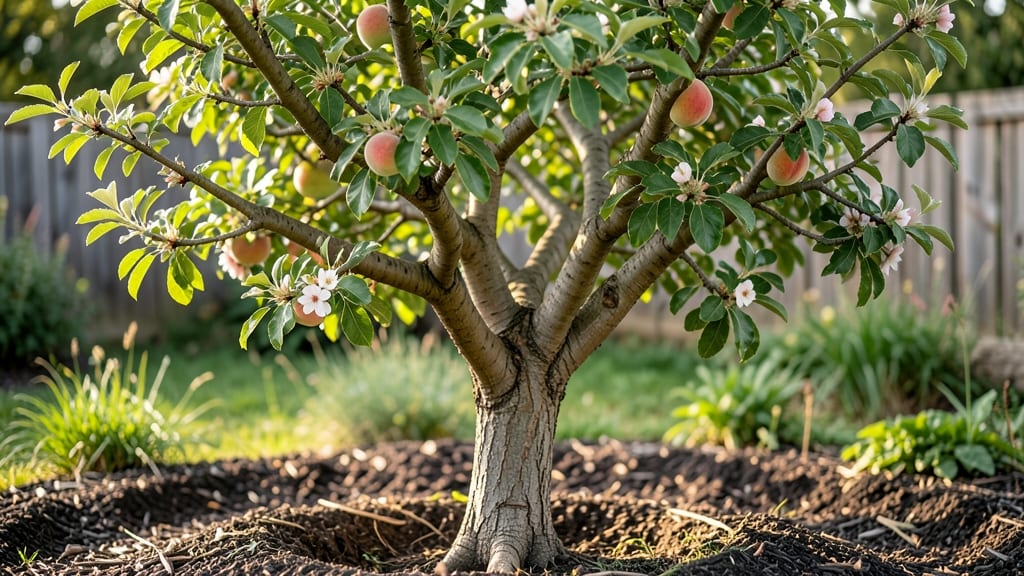
Peach trees in Zone 7 grow optimally, typically reaching 15–25 feet tall depending on the variety, with dwarf types staying under 10 feet for easier care. Strategic pruning and proper spacing maximize fruit production while keeping the tree manageable.
Zone 7's mild winters and warm summers create ideal conditions for peach trees, but the exact growth varies by variety. 🌳 Dwarf types like 'Bonanza' stay compact, while standard varieties such as 'Elberta' can grow much taller.
The key to managing height lies in pruning during late winter or early spring—removing crossing branches and thinning the canopy improves airflow and fruit quality.
For small gardens, dwarf peach trees are perfect since they produce abundant fruit without overwhelming space. Just ensure they get full sun (at least 6–8 hours daily) and well-draining soil. Regular pruning every 1–2 years keeps them healthy and productive, making them a low-maintenance choice for home growers.
💡 In This Article
- Climate Factors Affecting Peach Tree Height in Zone 7
- Best Low-Maintenance Peach Varieties for Zone 7 Gardens
Climate factors affecting peach tree height in Zone 7
Zone 7's climate—characterized by average winter lows of 0°F to 10°F and summer highs around 85°F to 95°F—creates perfect conditions for peach trees to flourish. The key factor is the chill hour requirement: most peach varieties need 500-1,000 hours below 45°F annually to break dormancy.
Zone 7 typically provides 700-900 chill hours, which aligns perfectly with popular cultivars like 'Redhaven' and 'Elberta'. Without sufficient chill hours, trees may fail to bloom properly, stunting growth and fruit production.
Temperature fluctuations also influence height. Spring frost (28°F or lower) can damage blossoms, reducing fruit set and diverting energy to regrowth rather than upward expansion. In Zone 7, late frosts (after March 15) are less common than in colder zones, but they still pose a risk.
The tree's response to frost stress often results in shorter, bushier growth as it focuses on survival rather than height. Conversely, hot summers accelerate growth spurts, with some varieties like 'Contender' reaching 20-25 feet faster in optimal conditions.
Humidity plays a subtle but critical role. Zone 7's moderate humidity (typically 40-60%) helps prevent fungal diseases like brown rot, which can weaken trees and limit their height potential. High humidity zones force trees to allocate more energy to disease resistance, potentially slowing vertical growth.
Proper spacing—15-20 feet for standard trees, 10-12 feet for dwarfs—ensures adequate airflow, reducing humidity-related stress and allowing trees to grow more efficiently.
Planting timing matters too. In Zone 7, the ideal window is late winter to early spring (February-March), when soil temperatures reach 50°F but before buds swell. Early planting gives roots 6-8 weeks to establish before summer heat arrives, while late planting risks heat stress.
The tree's initial growth rate in the first 2-3 years determines much of its mature height—proper timing ensures it reaches its genetic potential without struggling.
One often-overlooked factor is soil temperature. Peach trees need soil at 60°F+ to activate root growth. In Zone 7, this usually occurs by April, but cooler springs can delay growth by 2-4 weeks.
The delay doesn't permanently stunt height but can make trees appear shorter during their first growing season. Mulching with 2-3 inches of wood chips helps maintain consistent soil temperatures, promoting steady growth throughout the season.
For gardeners in Zone 7, understanding these climate interactions lets you predict and influence your tree's height. For example, selecting a low-chill variety like 'Contender' (500-600 hours) ensures reliable blooming, while proper frost protection (like row covers) prevents stress-induced stunting.
The result? A tree that grows to its full potential—whether that's 25 feet of majestic height or a compact 8-foot dwarf—without sacrificing fruit quality.