
Plants
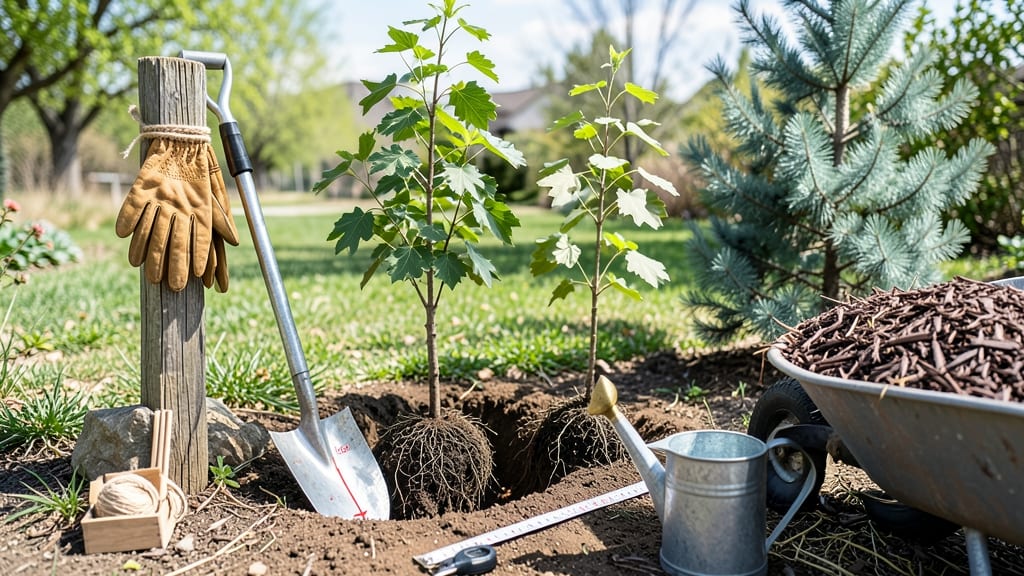
The best time to plant a tree in Colorado depends on your elevation and hardiness zone — but for most of the state, fall or early spring is the golden window when roots establish before extreme heat or cold.
Picture this: You’ve spent months researching the perfect tree for your yard, only to rush it into the ground at the wrong time. In Colorado’s USDA zones 5-7, planting too early risks frost damage, while waiting too late leaves roots vulnerable to winter drought.
The difference between a thriving 🌳 and a struggling sapling often comes down to those few weeks.
Whether you’re in Denver’s urban heat islands or the cooler high country, timing matters more than you think. Fall planting (September–November) gives roots a head start before winter, while spring (March–May) avoids the dry summer months.
Below, I’ll break down the exact months for your zone, plus the critical prep steps to set your tree up for success.
You’ll also discover how to read your soil’s readiness, avoid Colorado’s most common planting mistakes, and even adjust for drought-resistant species. Let’s get that tree growing right — no guesswork involved.
Colorado’s planting zones: best months by elevation and climate
Colorado’s dramatic elevation changes—from 3,000 feet in the plains to 14,000+ feet in the mountains—create wildly different planting windows. The USDA zones 3-9 here mean your Denver oak and Aspen tree need opposite timing strategies.
I’ll break down the exact months for each zone, including when to prep soil and avoid frost risks.
Mountain gardeners in zones 3-5 (e.g., Steamboat Springs) face shorter growing seasons, while zones 6-9 (e.g., Colorado Springs) can plant later. Evergreens like blue spruce need early fall planting, while deciduous trees like maple thrive in spring. Let’s dive into the zone-by-zone schedule.
🌳 Colorado Tree Planting Windows by USDA Zone & Elevation
| Zone | Elevation Range | Best Planting Months | Soil Prep Month | Key Species | Frost Risk |
|---|---|---|---|---|---|
| 3-4 | 6,000–10,000 ft (e.g., Leadville) | April–May or September | March & August | Engelmann spruce, quaking aspen | Late frost until June 15 |
| 5 | 5,000–7,000 ft (e.g., Fort Collins) | April–May or September–October | March & August | Colorado blue spruce, linden | First frost October 10 |
| 6 | 4,000–5,500 ft (e.g., Denver) | April–June or September–October | March & August | Elm, maple, Russian olive | First frost October 15 |
| 7 | 3,000–4,500 ft (e.g., Colorado Springs) | March–May or September–November | February & August | Oak, pecan, honey locust | First frost November 1 |
| 8 | 2,000–3,500 ft (e.g., Pueblo) | March–June or September–December | February & August | Mulberry, fig, palm | First frost November 15 |
| 9 | Below 2,000 ft (e.g., Alamosa) | March–June or October–December | January & August | Olive, loquat, citrus | First frost December 1 |
💡 Pro Tip: Container-grown trees can be planted year-round (except winter), but bare-root trees need dormant-season planting.
In zones 3-5, prioritize early spring planting (April–May) to avoid late frosts that can kill tender roots.
For example, quaking aspen planted in May has a 90%+ survival rate in Steamboat Springs, while fall planting risks winter desiccation. Zone 6 (Denver) offers flexibility—plant in April–June for spring growth or September–October to establish roots before winter.
Warmer zones 7-9 (like Colorado Springs) can extend planting into November, but avoid December’s freezing soils. Oak trees planted in September in zone 7 thrive because cooler temps reduce transplant shock. For drought-resistant species like Russian olive, aim for late fall to leverage winter moisture.
Soil prep timing is critical. In high-elevation zones (3-5), amend clay soils in
Critical factors that determine your planting timeline
Timing your tree planting isn’t just about picking a month—it’s about understanding soil temperature, moisture availability, and your tree’s species-specific needs. In Colorado, where elevation shifts can change conditions dramatically, these factors often override calendar dates.
For example, a pine tree in the mountains may thrive in late spring when snowmelt occurs, while an oak on the Front Range might prefer early fall planting.
Soil temperature is the #1 factor—roots need consistent warmth (above 40°F) to establish. Use a soil thermometer to check before planting; cool soils delay root growth.
Meanwhile, rainfall patterns dictate moisture retention—plant during Colorado’s wetter months (September-October) for better water uptake, unless you’re in a drought-prone zone like the Western Slope.
Your tree’s species type also dictates timing. Deciduous trees (like maples) handle fall planting well, while evergreens (like spruces) need spring planting to avoid winter stress. Even within species, root ball size matters—a bare-root tree plants best in early spring, while container-grown trees can go year-round (except winter).
🌱 Colorado Planting Timeline Checklist
- ✅ Soil Prep: Test soil temperature (40°F+ for roots) and moisture levels before planting.
- ✅ Species Match: Plant deciduous trees in fall; evergreens in spring.
- ✅ Root Ball Check: Inspect for girdling roots or dry soil—soak container-grown trees 24 hours before planting.
- ✅ Mulching Depth: Apply 2-4 inches of mulch (keep 6 inches from trunk) to retain moisture.
- ✅ Watering Plan: Deep-water 10-20 gallons immediately after planting; schedule weekly watering for the first year.
Pro Tip: Use a shade cloth for newly planted trees in Colorado’s intense summer sun to reduce transplant shock.
Don’t overlook local microclimates. Urban areas like Denver experience heat islands, while mountain valleys (e.g., Fort Collins) have cooler nights. Adjust your timeline by 1-2 weeks if your yard faces southwest exposure—these spots dry out faster.
For container-grown trees, flexibility exists, but avoid planting when ground is frozen (winter) or drought warnings are active (late summer).
Finally, tree size affects timing. Smaller trees (6 feet) establish faster and can handle late spring planting, while large specimens (e.g., oaks) need extended root development—plant them in fall for a full growing season ahead.
Always call 811 before digging to avoid buried utilities, a critical step often overlooked in Colorado’s urban sprawl.
By aligning your planting with these species-specific, climate-sensitive factors, you’ll give your tree the best shot at thriving in Colorado’s challenging growing conditions. Start with soil checks, then match your calendar to your tree’s needs—not just the month. 🌳