
Plants
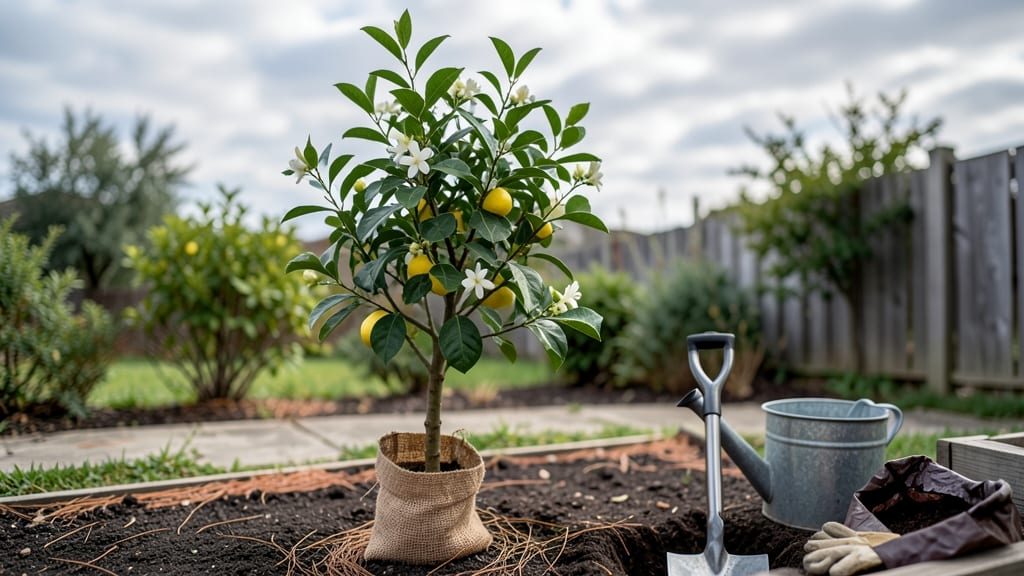
The best time to plant a lemon tree in California depends on your microclimate—coastal areas thrive with fall or winter planting, while desert regions wait for late winter to early spring.
California’s diverse microclimates—from coastal fog to desert heat—can make or break your lemon tree’s success. Planting at the wrong time risks stunted growth, frost damage, or even death, while the perfect window unlocks years of juicy harvests.
Most gardeners in zones 9-11 (coastal areas often 9-10, inland valleys 9-10, deserts 10-11) find fall or winter the safest bet, but timing shifts dramatically if you’re in the Central Valley or high desert. Here’s how to pick the exact month for your location.
Below, I’ll break down the ideal planting months by region, share pro tips to protect young trees from unexpected chills, and explain why soil temperature matters more than calendar dates. Ready to get growing?
California’s optimal lemon tree planting months by region (coastal vs. inland vs. desert)
California’s lemon trees thrive year-round, but timing matters—especially across its five distinct microclimates. Coastal areas stay mild, while inland valleys and deserts swing from scorching to chilly. Planting during the wrong window can stress roots, delay fruiting, or even kill young trees.
Let’s break down the ideal months for each region, including soil temperature and frost risk factors.
For coastal regions (e.g., San Francisco, Santa Barbara), the best planting window stretches from November through March. These areas rarely drop below 40°F, but late-winter frosts can sneak in.
Inland valleys like the Central Valley (Sacramento, Fresno) also favor fall to early spring, but with higher frost risk between December and February. Southern California’s mild desert climates (Palm Springs, Coachella) allow planting year-round, but summer heat stress makes fall or winter ideal.
High-elevation areas (e.g., Mount Shasta, Lake Tahoe) are trickier—spring planting (April-May) is safest to avoid late-season frosts. Always check your USDA zone (California ranges from 9-11) and monitor soil temperatures—roots need 60°F+ to establish properly. A soil thermometer is your best friend here!
Here’s a quick comparison of California’s lemon tree planting windows by region, including frost risk and ideal soil temps:
If you’re in a coastal zone, aim for late fall to early spring—this gives roots time to establish before summer’s dry winds. Inland gardeners should plant before December to avoid frost, while desert dwellers can plant anytime but should prioritize fall to beat the heat.
For high-elevation areas, wait until after the last frost (usually May) and choose dwarf varieties like ‘Meyer’ or ‘Improved Meyer’ for better cold tolerance.
Pro tip: Soil temperature is just as critical as air temperature. Use a soil thermometer to confirm 60°F+ before planting—cold soil can shock roots. In cooler zones, amend soil with compost to raise temperatures naturally. For desert plantings, add organic matter to prevent heat stress.
Container growing extends your planting window in marginal climates. Pots warm up faster in spring and can be moved to sheltered spots during winter. Just ensure your container has drainage holes and use a well-draining citrus mix.
If you’re in Southern California, you can even plant in summer, but provide afternoon shade for the first 30 days to reduce transplant shock.
Remember: Lemon trees are evergreen, meaning they grow slowly year-round. Planting at the right time ensures faster root establishment and earlier fruiting. For example, a tree planted in November in San Diego may bear lemons by year 2
Critical factors that determine your planting window (beyond just months)
Planting a lemon tree in California isn’t just about picking a month—it’s about understanding your local microclimate. Coastal areas like San Francisco may have foggy mornings year-round, while inland valleys like Fresno can hit 100°F summers.
Even soil temperature matters: roots need 60°F+ soil to establish properly. Ignoring these details means risking root shock or heat stress.
A soil thermometer ($10 at garden centers) reveals when your ground is ready—critical for container growers or marginal climates. For example, desert areas like Palm Springs can plant in late winter when soil warms to 65°F+, while coastal regions often wait until spring to avoid chilly ocean breezes.
Rainfall patterns also shift: Southern California’s dry spells demand drip irrigation during establishment.
Here’s how to assess your exact planting window using science—not just calendar months:
- 1 Check frost risk (even in CA!). Use the USDA Plant Hardiness Zone Map—coastal zones (9-10) rarely frost, but inland valleys (7-8) can drop to 28°F in winter. Plant after last frost date (typically March-April inland, year-round coastal).
- 2 Test soil temperature with a thermometer. Roots need 60°F+ for 4+ weeks to establish. In deserts, this means March-April planting; in coastal areas, spring or fall (avoid summer heat).
- 3 Monitor rainfall for 30 days. Lemon trees hate soggy soil—aim for 1-1.5" weekly. In drought-prone areas, use mulch (4" of wood chips) to retain moisture. Coastal fog reduces water needs by 30%.
- 4 Extend your window with containers. Pots warm faster in spring and can be moved to protected spots in winter. Use 5-gallon+ containers with drainage holes—ideal for urban areas with limited space or microclimate challenges.
- 5 Time it with blooms. Plant 6-8 weeks before your area’s first frost (if applicable) to let roots establish before fall blooms. In frost-free zones, fall planting (Sept-Nov) reduces summer heat stress during establishment.
Container growing is your secret weapon for marginal climates. In areas like Sacramento’s Central Valley, where January frosts can dip to 25°F, potted lemon trees can be wintered indoors near a south-facing window (6+ hours of light) and replanted outdoors in March.
Just ensure your pot has drainage holes and use citrus-specific potting mix (sandy, acidic, pH 6.0-7.0).
Don’t let calendar months fool you—your lemon tree’s success hinges on soil warmth, frost risk, and water availability. Use these factors to pinpoint your personalized planting window, whether you’re in foggy Santa Cruz or sunbaked Palm Springs.
With the right timing, you’ll be harvesting lemons in 2-3 years instead of waiting a decade for a stressed tree to recover.
Pro tip: Bookmark your local CoCoRaHS weather station data for real-time soil moisture and temperature updates—it’s the gardener’s equivalent of a crystal ball for citrus. 🌱