
Pruning
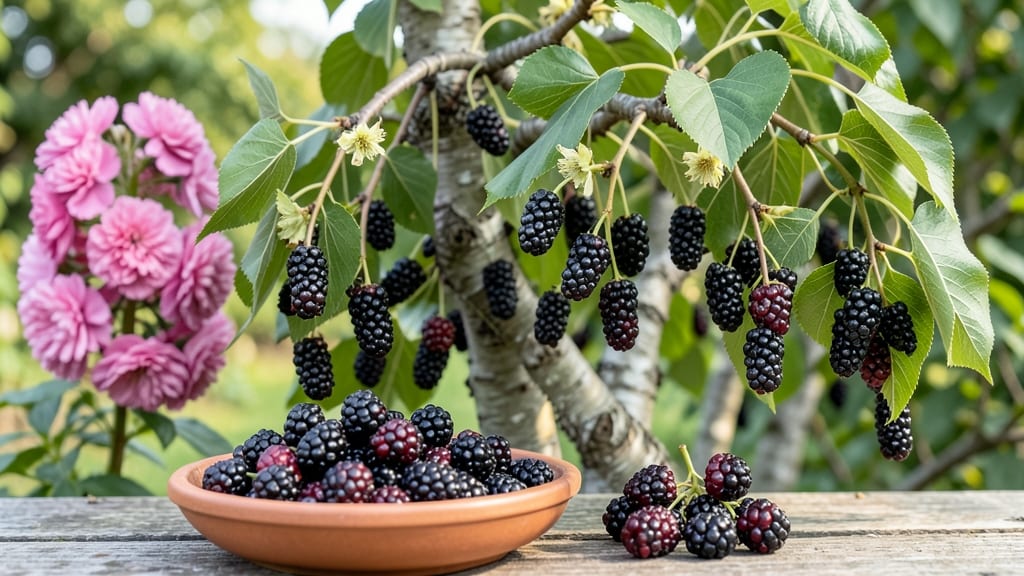
Weeping cherry tree fruits are edible but rarely consumed due to their tartness and small size. While not toxic, they lack the sweetness of commercial cherries and may cause mild stomach upset if eaten in excess. Always ensure proper identification before eating wild or ornamental varieties.
These ornamental cherries—often grown for their stunning spring blossoms—produce tiny, deep-red fruits that pack a punch of acidity. 🌸 Unlike supermarket cherries, they're not meant to be eaten raw in large quantities, though their intense flavor makes them perfect for jams or fermented drinks.
The key is proper identification: true weeping cherries (Prunus subhirtella) have elongated leaves and smooth bark, while toxic lookalikes like black cherry (Prunus serotina) feature bitter almond scents and elongated clusters.
Harvesting these fruits requires patience—they ripen unevenly and are prone to cracking. For best results, pick them when fully colored but still firm, then simmer with sugar and citrus to balance their sharpness.
Many gardeners ferment them into vinegar or mead, where their tartness becomes an asset rather than a drawback.
If you're new to foraging, always cross-reference with local experts or plant databases before consumption. The risk of stomach upset is real, but with the right preparation, these little gems can add unique depth to your culinary experiments.
💡 In This Article
- Toxic vs Edible Cherry Tree Varieties: Key Differences
- Safe Ways to Prepare and Use Weeping Cherry Fruits
Toxic vs edible cherry tree varieties: key differences
The confusion between edible and toxic cherry varieties stems from their similar appearance, but the differences lie in subtle botanical features. Ornamental weeping cherries (Prunus subhirtella) have elliptical leaves with finely serrated edges and smooth, gray bark that develops horizontal lenticels (pores) as they age.
Their fruit clusters are small (0.5-1 inch diameter) and grow in drooping racemes, with a deep red hue that darkens as they ripen.
In contrast, toxic black cherry (Prunus serotina) leaves are narrower and more elongated, with a noticeable bitter almond scent when crushed—a key warning sign. Their fruit grows in longer, upright clusters and contains cyanogenic glycosides, which release cyanide when chewed.
The bark of black cherry trees has prominent horizontal ridges and a darker brown color. 🌿 Even more dangerous is the chokecherry (Prunus virginiana), whose fruit is yellowish-red and has a mealy texture when raw, often causing severe digestive distress.
The edible cultivated cherry (Prunus avium) stands out with its larger, rounder fruit (1-1.5 inches) and smooth, glossy skin that ranges from bright red to dark purple.
Their leaves are broader and slightly hairy on the underside, and the bark has horizontal stripes but lacks the bitter almond aroma. The key takeaway? If a cherry tree's leaves smell like almonds or the fruit grows in long, dense clusters, it's not safe to eat.
For weeping cherry trees specifically, the fruit's intense tartness (pH often below 3.5) is a natural deterrent—unlike supermarket cherries, which have been bred for sweetness. This acidity also means they ferment quickly when left unpicked, making them ideal for preserves or fermented beverages.
However, their small size (typically 0.3-0.5 oz each) means you'd need to consume dozens to match the sugar content of one commercial cherry.
Visual identification isn't foolproof—always cross-check with a local botanist or plant database before consuming. The USDA Plant Database or iNaturalist can help verify species, while a simple taste test (a tiny bite) can reveal the bitter almond note of toxic varieties.
Remember: one toxic cherry can be dangerous, while weeping cherries are safe in moderation but require preparation to enjoy.
Here’s a quick comparison to keep handy:
- Edible Weeping Cherry: Small (0.5 inch), deep red, drooping clusters, smooth bark, no almond scent
- Toxic Black Cherry: Longer clusters, bitter almond smell, ridged bark, darker fruit
- Chokecherry: Yellowish-red, mealy texture, upright growth, severe digestive upset