
Flowers
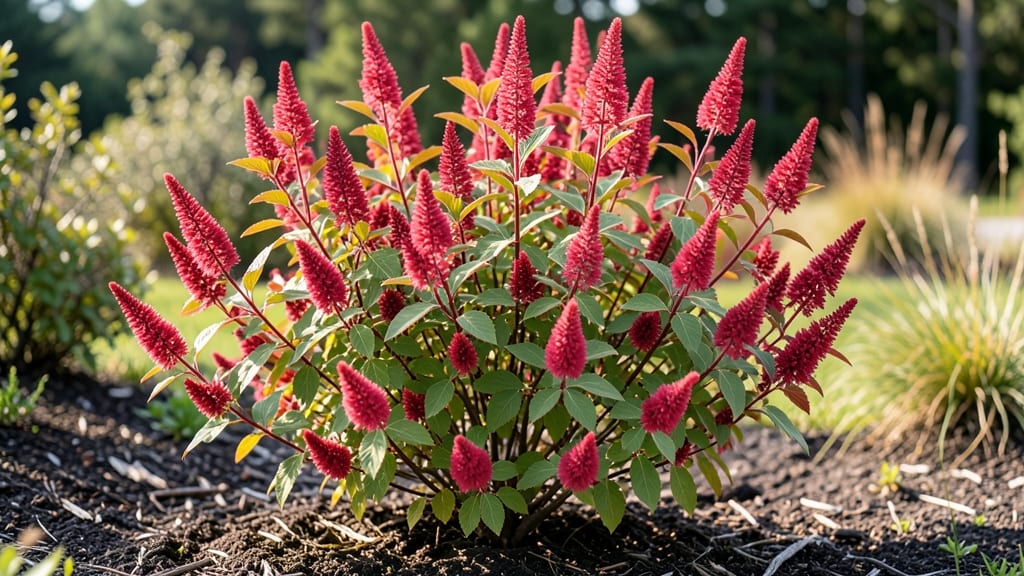
Your yard deserves a year-round privacy screen that steals the show—red fuzzy flowers on a lush canopy do exactly that. 🌿 These trees aren’t just pretty; they’re the bold statement piece that transforms any space into a vibrant retreat.
Whether you’re framing a patio, softening a fence line, or creating a natural backdrop, their fiery blooms and glossy foliage deliver drama in every season. Imagine a mid-height tree with cascading red flowers that catch the light like embers, followed by deep green leaves that provide summer shade.
Varieties like Cornus sericea 'Firestart' or Lagerstroemia 'Natchez' turn ordinary borders into showstopping focal points. Pair them with evergreens for winter structure or perennials like hostas to extend the seasonal interest—your neighbors will be asking for your design secrets.
The magic happens when you place them where they’ll be seen: near seating areas, along driveways, or as a living room divider for outdoor spaces. Their textured blooms add unexpected depth, while the mature canopy offers 365-day privacy.
Even in small gardens, their compact forms fit perfectly, proving that big impact doesn’t require big space. For best results, plant them where they’ll get full sun to partial shade—their vibrant colors pop most in bright light, but they tolerate some afternoon shade too.
Add mulch to keep roots cool and water deeply the first year to establish strong growth. You’ll end up with a privacy screen that’s as functional as it is beautiful, all while supporting pollinators with their nectar-rich flowers.
The Science Behind Blooming Beauty
The vibrant red fuzzy flowers adorning certain trees aren’t just a stunning visual treat—they’re the result of a fascinating blend of genetics, environmental cues, and seasonal adaptations. Let’s break down why these flowers burst into color and maintain their fuzzy texture year after year.
Not all trees produce red fuzzy flowers—this trait is hardwired into their DNA. Species like the Cornus florida (flowering dogwood) or certain cultivars of Viburnum have evolved to develop these unique blooms due to:
- Hybridization: Many modern trees with red fuzzy flowers are hybrids bred to combine desirable traits, such as disease resistance and prolonged flowering. For example, crossing Viburnum bodnantense with other species can yield trees that bloom in winter with fuzzy, wine-colored flowers.
- Pigment Production: The red hue comes from anthocyanins, antioxidants that protect the flower from UV damage. The "fuzz" is often a layer of fine hairs (trichomes) that may deter pests or retain moisture.
- Flower Structure: Some trees, like the Hamamelis (witch hazel), have evolved to produce flowers with layered petals and fuzzy stamens to attract specific pollinators, such as bees or butterflies, even in cold weather.
Pro Tip: 💡 If you’re growing a tree with red fuzzy flowers from a cutting or seed, the trait may not always carry over—stick to named cultivars or grafted trees for consistent results.
Unlike some flowers that bloom strictly in spring or summer, red fuzzy blooms often defy seasonal norms. Here’s why they appear when they do:
- Temperature Sensitivity: Many of these trees bloom in late winter or early spring because they require a period of cold dormancy (chilling hours) followed by a warm spell. For instance, Viburnum species need 300–600 hours below 45°F (7°C) to trigger flowering.
- Day Length (Photoperiodism):** Some trees respond to shorter daylight hours in fall or longer days in early spring. This is why you might see fuzzy red blooms in December or February—it’s their biological cue to wake up and flower.
- Stress-Induced Blooming: Mild drought or nutrient stress can sometimes trigger early or more abundant flowering. However, chronic stress (like poor soil or overwatering) can weaken the tree and reduce bloom quality.
Actionable Tip: 🌡️ To encourage consistent blooms, monitor your tree’s microclimate. If winters are too mild in your area, consider a late-winter pruning to stimulate new growth and flowering.
The fuzzy texture and bright color of these flowers aren’t just for show—they’re a strategic lure for pollinators. Here’s how it works:
- Nectar Rewards: Many red fuzzy flowers produce nectar hidden within their layers, encouraging bees and hummingbirds to brush against the stamens and spread pollen. The fuzz can also help retain nectar in dry conditions.
- Visual Contrast: The red color stands out against bare branches in winter, making it easier for pollinators to locate the tree when other flowers are scarce. The fuzzy texture may also help trap heat, making the flowers more attractive in cold weather.
- Pest Deterrence: Some fuzzy flowers produce mild toxins or have hairy surfaces that repel chewing insects, ensuring that pollinators (not pests) are the primary visitors.
Fun Fact: ✨ Trees like the Hamamelis bloom when few other plants are in flower, giving them a near-monopoly on early-season pollinators like bees and syrphid flies.
While genetics and seasonality play a big role, environmental factors can also influence the appearance and longevity of red fuzzy flowers:
| Factor | Effect on Flowers | How to Mitigate |
|---|---|---|
| Drought | Can cause flowers to wilt or drop prematurely; may reduce next year’s blooms. | Mulch around the base and water deeply during dry spells (but avoid waterlogging). |
| Excessive Heat | May scorch petals or cause flowers to fade faster. | Provide afternoon shade in hot climates or choose heat-tolerant cultivars. |
| Poor Soil Drainage | Root rot can weaken the tree, leading to sparse or weak blooms. | Amend clay soil with compost or plant in well-draining areas. |
| High Wind | Can strip petals or damage delicate fuzzy blooms. | Plant in a sheltered location or use windbreaks. |
Pro Tip: 🎯 If your tree’s flowers are looking lackluster, conduct a simple soil test. A balanced fertilizer (high in phosphorus for flowering) in early spring can give blooms a boost.
Understanding these triggers can help you create the ideal conditions for your tree to produce those coveted red fuzzy flowers year after year—whether as a stunning privacy screen or a pollinator magnet!
Reviving Your Blooming Beauty
If your tree with vibrant red fuzzy blooms isn’t thriving, don’t panic—most issues have simple fixes! Below, we’ve mapped common problems to actionable solutions, plus prevention tips to keep your privacy screen lush year-round.
Whether it’s pests, poor growth, or lackluster flowers, these steps will help you restore your tree’s glory.
Pests like spider mites, aphids, or fungal infections (e.g., powdery mildew) can drain your tree’s energy. Here’s how to tackle them:
🔥 Identify the Culprit First
- Check leaves/stems for webbing (spider mites), sticky residue (aphids), or white powder (fungus).
- Look for holes, wilting, or discolored spots—these hint at borers, scale, or bacterial infections.
🍳 Natural Remedies for Pests
| Problem | Solution | Prevention Tip |
|---|---|---|
| Aphids/Scale | Spray with neem oil (1 tsp per quart of water) or insecticidal soap. | Introduce ladybugs or lacy-winged flies as natural predators. |
| Spider Mites | Blast off mites with a strong water spray, then apply horticultural oil. | Keep soil moist—drought stress attracts them! |
| Fungal Issues | Prune infected branches, then spray copper fungicide or baking soda mix (1 tbsp per gallon of water). | Space plants for airflow; avoid overhead watering. |
💡 Pro Tip:
For severe infestations, repeat treatments every 5–7 days until pests vanish. Always test sprays on a small leaf first!
If your tree is leggy, sparse, or not flowering, it likely needs better care:
👨🍳 Optimize Sun & Soil
- Sunlight: Most red-fuzzy-flowered trees (like Cercis canadensis or Cornus) thrive in full sun (6+ hours/day). If indoors, place near a south-facing window.
- Soil: Amend heavy clay or sandy soil with compost or peat moss for drainage.
Test pH—most prefer slightly acidic (6.0–7.0).
🥘 Fertilize Smartly
- Spring: Use a balanced fertilizer (10-10-10) to encourage new growth.
- Summer: Switch to a low-nitrogen, high-phosphorus fertilizer (e.g., 5-10-10) to promote blooms.
- Avoid over-fertilizing—this can burn roots and reduce flowers!
⏰ Prune for Health & Shape
- When: Prune late winter/early spring (before buds swell) to avoid stressing the tree.
- How:
- Remove dead/diseased branches first.
- Thin out crossing branches to improve airflow.
- Never top the tree—this stunts growth and weakens structure.
Cold snaps can shock your tree. Prepare it with these steps:
🛡️ Protect Young or Tender Trees
- Mulch: Apply 2–3 inches of mulch (wood chips or straw) around the base, but keep it 6 inches away from the trunk.
- Wrap Trunks: Use tree wrap or burlap to prevent sunscald (common in late winter).
- Water Deeply: Before the first frost, water thoroughly to hydrate roots for winter.
🌡️ Avoid Common Winter Mistakes
- ❌ Over-mulching (can suffocate roots).
- ❌ Pruning in winter (opens wounds to frost damage).
- ❌ Ignoring ice buildup—gently brush off heavy snow/ice from branches.
Keep your tree flourishing with minimal effort:
- 💡 Water deeply 1–2 times per week (more in extreme heat).
- 🎯 Monitor for pests weekly during growing seasons.
- 🌱 Feed annually in early spring with compost or slow-release fertilizer.
- 🔪 Prune annually to maintain shape and airflow.
- 📅 Note blooming cycles—if flowers fade, adjust fertilizer or sunlight.
With these fixes, your tree with stunning red fuzzy flowers will bounce back stronger than ever—ready to deliver year-round privacy and seasonal color! 🌸🍃
Frequently asked questions
Which trees produce those striking red fuzzy flowers?
Popular choices include Cornus sericea 'Firestart' (red osier dogwood), Hamamelis varieties (witch hazel), and Viburnum bodnantense. These trees are prized for their winter-to-spring blooms that create bold visual impact.
Can these trees grow in small gardens or containers?
Many varieties like Cercis canadensis 'Forest Pansy' or dwarf Lagerstroemia cultivars thrive in containers or tight spaces. Choose slow-growing species and prune regularly to maintain their size. Containers need well-draining soil and consistent moisture.
Why do some red fuzzy flowers appear in winter?
These winter bloomers often require cold dormancy (chilling hours) to trigger flowering. Species like Hamamelis bloom in late winter because they've stored energy during summer and need the temperature shift to wake up. The fuzzy texture helps retain heat and attract early pollinators.
How do I attract more pollinators to my fuzzy-flowered tree?
Plant companion flowers like Heuchera or Salvia nearby to extend the blooming season. Avoid pesticides, and provide shallow water sources. The fuzzy texture naturally traps nectar, making it extra appealing to bees and hummingbirds.
Will these trees maintain their red color all season?
While the flowers are seasonal, many varieties offer year-round interest. Dogwoods develop red stems in winter, and some Lagerstroemia cultivars keep vibrant foliage colors through fall. The fuzzy texture may persist on seed pods after blooms fade.