
Plants
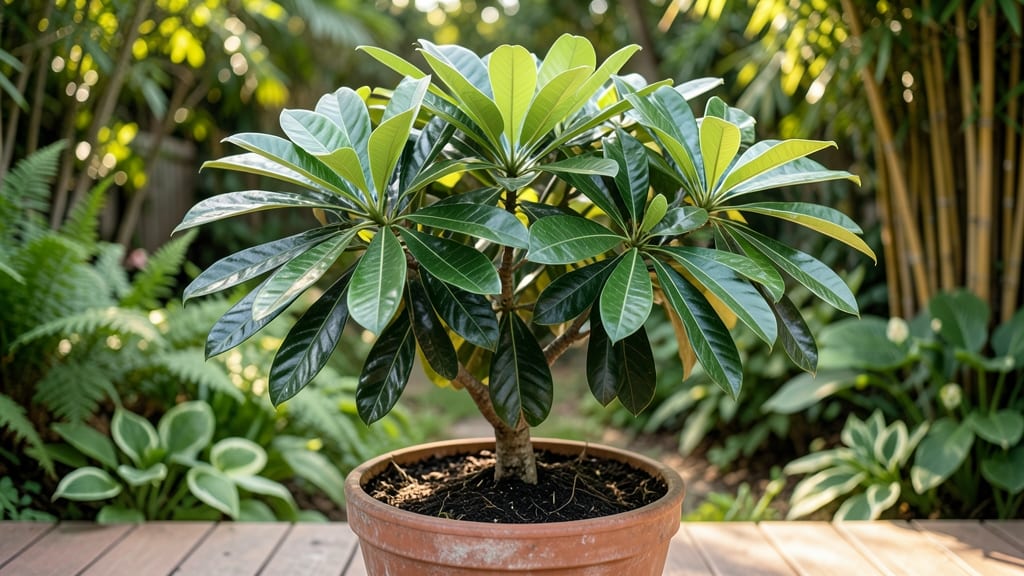
A tree that looks like an umbrella typically features a rounded, fast-growing canopy that spreads quickly, like the Japanese pagoda tree (Sophora japonica) or umbrella tree (Schefflera actinophylla). These species deliver dense shade within 5–10 years and thrive in warm climates with minimal fuss.
A tree with an umbrella-like shape isn't just about aesthetics—it's about efficient sunlight capture and rapid shade production. 🌿 The Japanese pagoda tree, for example, grows 3–5 feet per year and develops its signature flat-topped canopy through a unique branching pattern called "whorled growth."
Meanwhile, the umbrella tree (Schefflera) spreads its leaves in layered tiers, creating that signature rounded silhouette. Both species are perfect for homeowners who want instant shade without decades of waiting.
What sets these trees apart is their adaptability. The Japanese pagoda tree handles USDA zones 4–9 and tolerates urban pollution, while the umbrella tree prefers zones 10–11 and needs consistent moisture.
Pruning young branches encourages wider spread—just avoid cutting back more than 25% of the canopy at once to maintain that perfect umbrella shape.
💡 In This Article
- How Canopy Shape and Growth Rate Define Umbrella-Like Trees
- Top 5 Fastest-Growing Umbrella-Shaped Trees for Instant Shade
How canopy shape and growth rate define umbrella-like trees
Umbrella-shaped trees develop their signature silhouette through two key botanical traits: whorled branching and compound leaf arrangements. The Japanese pagoda tree (Sophora japonica) achieves its flat-topped look through whorled growth, where multiple branches emerge in circular patterns from a single point, creating a perfectly level canopy.
This growth habit is genetically programmed to maximize sunlight exposure for its broad leaves, which can span up to 12 inches long and cast dense shade quickly. 🌿 The tree's lateral branches grow at nearly 90-degree angles from the trunk, forming that iconic umbrella structure within 3-5 years of planting.
The umbrella tree (Schefflera actinophylla), by contrast, relies on palmate compound leaves arranged in tiered layers. Each leaf stem produces 7-12 leaflets radiating outward like fingers, and these stems branch in a way that creates the rounded silhouette.
What makes this species grow so rapidly (up to 2 feet per year) is its apical dominance suppression—the tree prioritizes outward growth over vertical height, spreading its canopy wider than it grows tall.
This adaptation is particularly useful in tropical climates where rapid shade is essential for protecting delicate plants below.
The growth rate difference between these species comes down to climate adaptations. Japanese pagoda trees thrive in temperate zones 4-9 and enter dormancy in winter, which slows their growth to 1-2 feet per year during colder months.
Umbrella trees, however, are evergreens that grow continuously in zones 10-11, maintaining their 2-foot annual growth year-round. The trade-off? Umbrella trees require consistent moisture to maintain their lush foliage, while pagoda trees are more drought-tolerant once established.
What most gardeners don't realize is how pruning timing affects the umbrella shape. For Japanese pagoda trees, pruning in late winter (just before new growth) encourages wider branching, while umbrella trees respond best to summer pruning after their main growth spurt.
Cutting back too aggressively can disrupt the natural growth patterns—never remove more than 25% of the canopy at once, or you'll risk losing that perfect rounded silhouette. The key is to shape young trees by selectively trimming the outermost branches to encourage denser growth inward.
Another fascinating factor is leaf arrangement efficiency. The Japanese pagoda tree's leaves are arranged in pinnate patterns along its branches, creating a natural "sail" effect that catches wind and spreads the canopy evenly.
Umbrella trees, with their palmate structure, create overlapping layers that trap more sunlight and heat, making them ideal for urban heat island mitigation.
This structural difference means pagoda trees work better in windy areas, while umbrella trees excel in sheltered microclimates where their dense foliage can create cooler shaded zones.
For those seeking the fastest results, consider the Chinese parasol tree (Firmiana simplex), which combines both growth strategies. It grows 3-4 feet per year and develops its umbrella shape through a combination of whorled branching and large, lobed leaves that can reach 10 inches across.
What makes it unique is its ability to self-prune—dropping leaves naturally as it matures to maintain an open, airy canopy while still providing ample shade.
This species thrives in zones 7-10 and handles both full sun and partial shade, making it one of the most adaptable umbrella-shaped trees available.