
Trees
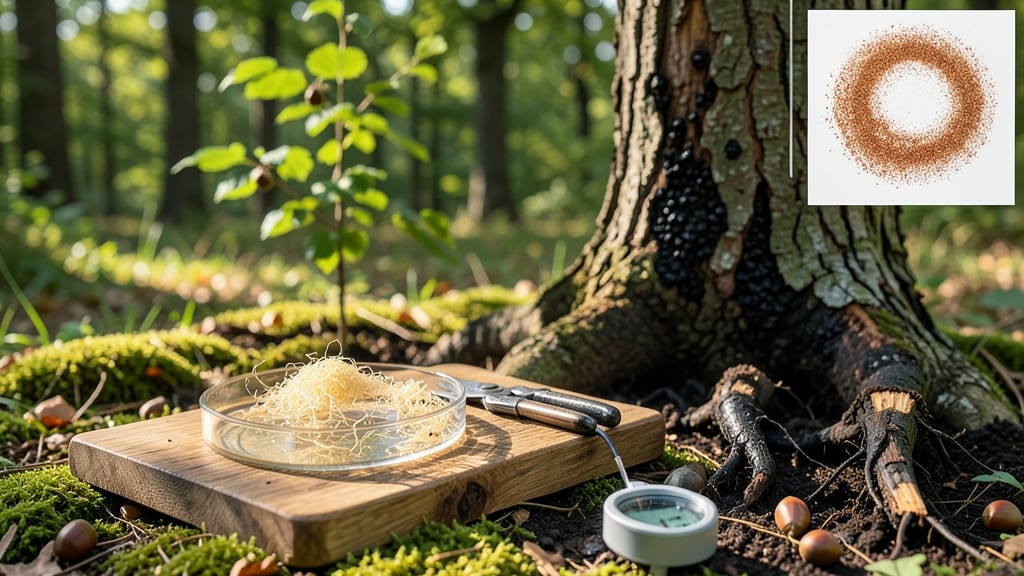
Tree rot fungus turns your sturdy oak into a hollow shell faster than you'd think. 🌳 I’ve seen it creep into bark like a silent thief—first as dark streaks, then as soft, spongy wood that crumbles at a touch.
The good news? You can fight it without harsh chemicals if you catch it early.
Most cases start with wet soil, wounds from storms, or poor drainage that keeps roots drowning. Fungus spores lurk everywhere, waiting for stressed trees to give in.
My neighbor’s maple lost half its trunk to root rot because we ignored the oozing cankers for too long—don’t let that be your story.
You’ll prune out infected branches with sterilized tools, apply copper-based fungicide (organic and effective), and improve drainage with gravel or sand. Within a season, you’ll see fresh bark growth where the rot once spread. The key? Act before the fungus acts.
Prevention is easier than repair: space trees properly, mulch correctly (3 inches deep, no piles against trunks), and water at the base—not overhead. Healthy trees resist fungus like a fortress. Let’s get your trees fighting back.
Root Causes Of Wood Decay
Tree rot fungus doesn’t strike out of nowhere—it thrives when specific conditions align, turning your once-healthy tree into a weak, crumbling structure. Understanding these triggers is the first step to prevention. Below, we break down the key factors that invite fungal invaders and accelerate decay.
Fungi are water-lovers, and too much moisture creates the perfect breeding ground. Here’s how it happens:
- Poor Drainage: Compacted or clay-heavy soil traps water around roots, keeping the base soggy. Result? Fungal spores germinate and spread upward.
- Overwatering: While trees need water, excessive irrigation (or rain) saturates the bark and wood fibers, making them soft and vulnerable.
- Leaky Irrigation Systems: Dripping hoses or broken sprinklers create localized wet spots, turning small areas into fungal hotspots.
Pro Tip: 💡 Test your soil’s drainage by digging a 12-inch hole, filling it with water, and timing how long it takes to drain. If it’s slower than 6 hours, amend with compost or sand.
Trees heal slowly, and any injury—no matter how small—can become a gateway for rot-causing fungi. Common culprits include:
- Storm or Hail Damage: Broken branches or split bark expose raw wood, which fungi colonize within weeks.
- Improper Pruning Cuts: Jagged or overly deep cuts (like those from flapper cuts) fail to seal properly, leaving gaps for spores.
- Animal or Pest Activity: Woodpeckers, squirrels, or even burrowing rodents create entry points. Termites and beetles also weaken wood before fungi move in.
- Construction or Lawn Equipment: Lawnmowers, weed whackers, or digging near the trunk can strip bark or gouge the base.
Actionable Fix: ✨ After pruning, apply pruning sealant (like Tanglefoot Tree Wound Pruning Seal) to cuts wider than ½ inch to block moisture and spores.
A weakened tree is an open invitation for rot fungi. Stress factors include:
- Nutrient Deficiencies: Lack of nitrogen, phosphorus, or micronutrients (like magnesium) weakens cell walls, making wood easier to penetrate.
- Root Compaction or Girdling Roots: Roots that circle the trunk (from poor planting) or grow in confined soil strangle the tree’s ability to transport water and nutrients.
- Disease or Pest Infestations: Prior infections (like anthracnose) or borer attacks create ideal conditions for secondary fungal invaders.
- Environmental Shocks: Sudden temperature swings, drought, or extreme heat stress trees, lowering their resistance to pathogens.
Diagnostic Tip: 🌡️ Look for yellowing leaves, stunted growth, or epicormic shoots (sprouts along the trunk)—signs your tree is struggling and at higher rot risk.
Fungal spores are everywhere, but high-risk sources include:
- Old Stumps or Mulch from Infected Trees: Leaving decaying wood near healthy trees spreads spores via wind, water, or tools.
- Compost or Mulch with Fungal Contaminants: Poorly decomposed wood chips or manure can harbor Armillaria (a common root rot fungus).
- Adjacent Lawn Fungus (e.g., Dollar Spot):** Some turf fungi cross over to tree bark, especially in shady, damp areas.
Prevention Hack: 🔥 Sterilize pruning tools with 70% isopropyl alcohol between trees to avoid transferring spores.
Fungi thrive in temperatures between 60–85°F (15–30°C) with high humidity. Regions with:
- Long Wet Seasons: Like the Pacific Northwest or Southeast U.S., see higher rates of heart rot in species like Douglas fir or oak.
- Poor Air Circulation: Dense foliage or overcrowded trees trap moisture, creating ideal fungal conditions.
Climate Workaround: ⚡ Thin out lower branches to improve airflow, and avoid planting susceptible species (like willows or elms) in swampy areas.
How to Rescue Weakened Trees
Tree rot fungus doesn’t have to be a death sentence for your trees—early action and organic care can turn things around. Below, we map the most common causes of rot to practical, eco-friendly solutions.
Whether your tree is struggling with waterlogged roots, injured bark, or invasive fungal spread, these steps will help restore its health while keeping your yard safe and sustainable.
If your tree’s roots are drowning in soggy soil or poor drainage, fungal spores thrive in the moisture. Here’s how to dry things out and prevent further damage:
💦 Drainage Solutions
- Raise the soil level around the base of the tree (but not touching the trunk) by adding organic mulch (wood chips, straw, or compost) in a 3-inch-thick layer. This improves airflow and evaporation.
- Install French drains if your yard has chronic water pooling.
Dig a trench around the tree (12–18 inches deep) and fill it with gravel, then place a perforated pipe to redirect water away. - Avoid overwatering—stick to deep, infrequent watering (1–2 times per week in dry spells) rather than light daily sprinkles.
🍄 Fungal Treatment
- Apply copper fungicide (organic options like copper sulfate or neem oil spray) to the soil and lower trunk.
Reapply every 4–6 weeks during wet seasons. - Solarize the soil (if rot is severe): Cover the infected area with clear plastic for 4–6 weeks in hot sun to kill fungi. Remove the plastic and replace with fresh mulch afterward.
🌡️ Prevention Tips ✅ Test your soil’s drainage—dig a 1-foot hole, fill it with water, and time how long it takes to drain.
If it’s slower than 4 hours, amend with sand or perlite. ✅ Plant trees in well-draining spots—avoid low-lying areas or clay-heavy soil. ✅ Use raised beds for young trees to prevent water from pooling at the base.
Broken bark or deep wounds create entry points for fungi. Seal them properly to stop the spread:
🔪 Cleaning & Sealing Wounds
- Prune damaged branches with sterilized shears, cutting 6–12 inches back from the wound to remove infected tissue.
- Scrape away loose bark with a knife or wire brush, then apply organic tree wound paint (like beeswax-based sealants or food-grade linseed oil).
- For large cracks, fill with hydroseeded mulch or compost to encourage natural healing.
🛡️ Protecting the Trunk
- Wrap the trunk with tree wrap (burlap or fabric) during winter to prevent sunscald (which weakens bark).
- Avoid string trimmers near the trunk—use hand pruners for precision cuts.
🌟 Pro Tip
💡 Don’t over-prune! Removing too many branches stresses the tree. Stick to removing only dead/diseased wood—never more than 25% of the canopy at once.
If your tree has conks (shelf fungi) or mushrooms at the base, it’s likely battling Armillaria root rot or heart rot. Act fast:
🍄 Organic Fungicide Sprays
- Neem oil spray (1 tsp neem oil + 1 tsp mild soap per quart of water) applied every 2 weeks disrupts fungal spores.
- Baking soda spray (1 tbsp baking soda + 1 quart water + a drop of dish soap) can raise soil pH and inhibit fungi.
🌳 Boosting Tree Immunity
- Fertilize with compost tea (rich in trichoderma fungi, a natural predator of rot-causing pathogens).
- Add mycorrhizal fungi (available as powder) to the soil—these beneficial fungi outcompete harmful ones.
🚫 When to Call a Pro
If the tree is leaning, oozing sap heavily, or covered in mushrooms, it may be past saving.
In this case: - Remove the tree safely to prevent spores from spreading to others. - Chop and chip the wood for mulch (if not severely infected) or burn it (check local laws).
To keep your trees healthy and rot-free: ✔ Mulch properly—keep mulch 3 inches deep and 6 inches away from the trunk. ✔ Inspect trees annually for cracks, mushrooms, or discolored bark. ✔ Promote airflow—thin out dense foliage if the tree is in a shady, humid area. ✔ Choose resistant species—if rot is common in your area, opt for oak, maple, or black walnut (naturally more resistant).
With these organic, hands-on solutions, you can revive weakened trees and protect your yard from future outbreaks. 🌳💚 Act now—healthy trees start with healthy roots!
Frequently asked questions about tree rot fungus
What are the first signs of tree rot fungus?
Look for dark streaks under the bark, soft or spongy wood that crumbles easily, and mushrooms or conks growing at the base or trunk. You may also spot oozing sap, yellowing leaves, or cracks in the bark where the fungus has taken hold.
Can tree rot fungus spread to other plants in my yard?
Yes, especially if spores are spread by wind, water, or contaminated tools. Fungi like Armillaria root rot can jump to nearby trees or even shrubs. Always sterilize pruning tools with 70% isopropyl alcohol and remove infected mulch or debris promptly.
How long does it take for tree rot fungus to kill a tree?
It depends on the severity and tree species, but heart rot can weaken a tree over 2–5 years, while aggressive fungi like Armillaria may kill in 1–3 years. Early treatment can slow or stop the spread—don’t wait for mushrooms to appear!
Are there any trees that are more resistant to rot fungus?
Some species handle moisture better than others. Oak, maple, and black walnut are naturally more resistant, while willows, elms, and fruit trees (like cherry) are highly susceptible. Choose native species suited to your climate for better long-term health.
Can I save a tree with advanced rot fungus?
In some cases, but it’s often safer to remove severely infected trees to prevent spread. If you attempt treatment, focus on drainage fixes, copper fungicide, and boosting immunity** with compost tea. If the tree is leaning or covered in mushrooms, removal is the best option.