
Flowers
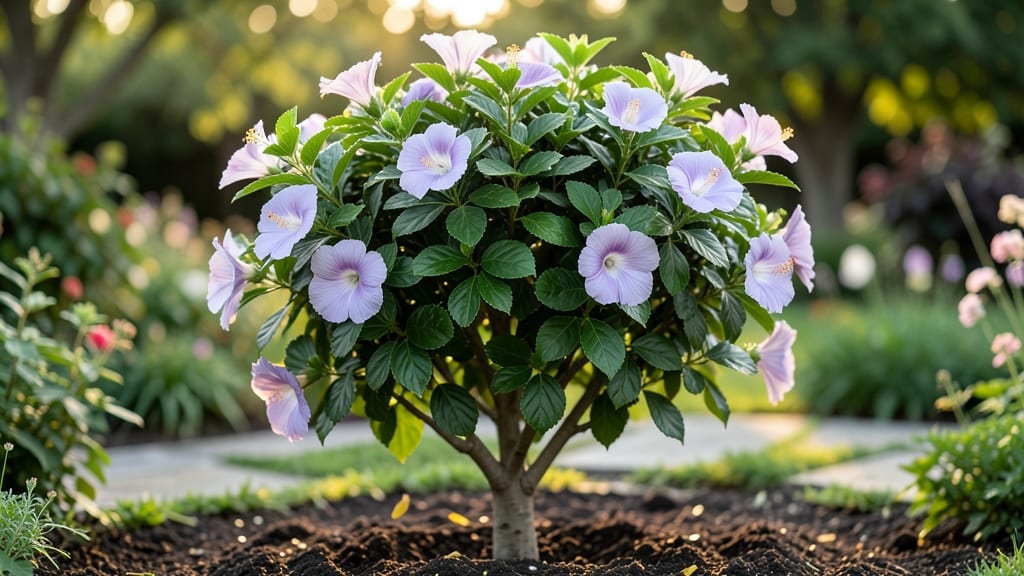
Trees with green leaves and white flowers transform any yard into a serene, ever-evolving sanctuary. 🌿 I’ve designed my backyard around these varieties—their glossy foliage provides year-round privacy, while cascades of white blooms create a romantic focal point from spring through fall.
These trees aren’t just pretty; they’re low-maintenance workhorses that thrive in full sun or partial shade. My favorite, the Abelia grandiflora, stays lush all winter and bursts into fragrant white flowers in late summer—no deadheading required.
Pair it with dwarf boxwoods for a structured hedge or let it grow wild as a standalone statement piece. The real magic happens when you layer them with purple-leaved shrubs or silver foliage plants.
The contrast makes those white flowers pop, while the evergreen structure keeps your garden looking polished even in winter. I’ve seen this combo turn dull backyards into Instagram-worthy retreats. Perfect for small spaces, large estates, or anything in between.
Let’s make your outdoor space feel like a curated garden escape—without the fuss.
Behind The Color Shift
If your tree boasts vibrant green leaves but dazzles with white flowers, you’re likely admiring a plant like the Hortensia (Hydrangea), Spiraea, or Deutzia—species known for their striking contrast. But why do these trees produce such vivid white blooms while keeping their foliage lush and green?
The answer lies in a mix of evolutionary biology, environmental cues, and plant physiology. Let’s break down the science behind this seasonal spectacle.
White flowers aren’t just a random quirk of nature—they’re often the result of genetic adaptations that serve specific survival purposes. Here’s how it works:
- Pollinator Attraction: Many white-flowering trees (like Deutzia) rely on insects, bees, or butterflies for pollination. White petals stand out against green leaves, creating a high-contrast visual signal that guides pollinators efficiently—especially in dappled sunlight. Pro tip: If your tree’s flowers look faded, check for pesticide use nearby, which can repel these crucial visitors.
- UV Reflection: White petals often contain UV-reflective patterns invisible to humans but visible to bees. These patterns act like neon signs, directing pollinators straight to the nectar. Fun fact: Under a UV flashlight, some white flowers reveal intricate guides pointing to their centers!
- Energy Efficiency: Producing white pigments (like anthoxanthins) requires less energy than vibrant colors like red or purple. This allows the tree to invest more resources in leaf health—explaining why the foliage stays rich and green year-round.
Not all white flowers appear at the same time—timing is everything! These trees follow environmental cues to ensure their blooms align with pollinator activity. Key triggers include:
| Factor | How It Works | Actionable Tip |
|---|---|---|
| 🌡️ Temperature | Most white-flowering trees (e.g., Spiraea) need chill hours (30–60 hours below 45°F/7°C) to break dormancy. Warm winters can delay blooms. | If your tree skips flowers, ensure it gets adequate winter chill or consider a cold-hardy variety. |
| ☀️ Sunlight | White flowers often bloom in spring or early summer when daylight increases, triggering hormonal shifts (like florigen) that prompt flowering. | Prune nearby shade trees in late winter to give your tree 6+ hours of sunlight per day. |
| 💧 Moisture | Drought stress can halt flower production. Trees like Hydrangea need consistent moisture to support blooms. | Mulch around the base and water deeply 1–2x/week during dry spells. |
At the cellular level, a tree’s decision to flower hinges on hormonal balance, particularly ethylene and auxin. Here’s the step-by-step process:
- Dormancy Break: After winter, ethylene gas builds up in buds, signaling the end of dormancy.
- Florigen Production: Leaves produce the protein florigen, which travels to buds and triggers flower development.
- Pigment Pathway: Genes like _DFR_ (dihydroflavonol 4-reductase) determine petal color. In white flowers, these genes are silenced or modified, preventing pigment production while keeping leaves green.
What to watch for: If your tree’s leaves turn yellow before flowering, it may be a sign of nutrient deficiency (like nitrogen or magnesium), which disrupts florigen synthesis.
Why do some trees prioritize green leaves over colorful flowers? It’s a matter of energy trade-offs. Here’s how the math works:
- Photosynthesis First: Leaves are the tree’s food factories. A lush canopy ensures the tree has enough energy to produce flowers and sustain growth. White flowers require less energy to maintain than, say, red or blue blooms.
- Stress Responses: If a tree is under stress (drought, poor soil, or disease), it may skip flowering to protect its leaves. This is why well-cared-for trees like Deutzia burst with white blooms.
- Seasonal Shifts: Evergreen trees (like Pieris japonica) often flower in early spring when resources are limited. White flowers here are a low-cost way to attract pollinators without draining the tree.
💡 Pro Tip: Fertilize in early spring with a balanced 10-10-10 formula to boost both leaf health and flower production.
Practical care fixes for tree
Revitalizing your tree with lush green leaves and delicate white flowers doesn’t have to be a mystery. Whether your plant is struggling due to nutrient deficiencies, environmental stress, or pests, these targeted solutions will help restore its natural beauty.
Below, we’ve mapped out the most common issues and their fixes—plus prevention tips to keep your tree thriving year-round.
If your tree’s leaves are pale or yellowing while still producing white flowers, it’s likely starving for essential nutrients. Here’s how to nourish it back to health:
🔥 Step 1: Diagnose the Deficiency Check the leaves for these clues:
- Yellow lower leaves? → Likely nitrogen deficiency.
- Purple stems or undersides? → Phosphorus shortage.
- Brown leaf edges? → Potassium or magnesium issue.
🍳 Step 2: Choose the Right Fertilizer Use a balanced, slow-release fertilizer (10-10-10 or 20-20-20 ratio) for general health. For specific needs:
- Nitrogen boost: Coffee grounds or fish emulsion.
- Phosphorus kick: Bone meal or rock phosphate.
- Potassium/magnesium fix: Epsom salt (1 tbsp per gallon of water, applied monthly).
👨🍳 Step 3: Apply Properly
- For container trees: Mix fertilizer into the soil or use liquid feed every 4–6 weeks during spring/summer.
- For in-ground trees: Spread granules around the root zone (6–12 inches from the trunk) and water deeply.
- Avoid over-fertilizing—this can burn roots and stress the tree further.
💡 Pro Tip: Test your soil’s pH (ideal: 6.0–7.0 for most trees). Acid-loving varieties (like azaleas) may need sulfur to lower pH, while alkaline soils might benefit from lime.
Overwatering or underwatering can cause leaf drop, wilting, or poor flower production. Here’s how to strike the right balance:
🔥 Step 1: Check Soil Moisture
- Stick your finger 2 inches deep into the soil. If it’s dry, water; if soggy, hold off.
- Rule of thumb: Water when the top 1–2 inches of soil feel dry (adjust for clay vs. sandy soil).
🥘 Step 2: Adjust Your Watering Routine
- Containers: Water every 2–3 days in hot weather (small pots dry out faster).
- In-ground trees: Deep water 1–2 times per week (soak the root zone, not just the surface).
- Mulch matters: Apply 2–3 inches of organic mulch (wood chips, bark) to retain moisture and regulate temperature.
⏰ Step 3: Drainage Check
- Potted trees: Ensure pots have drainage holes and empty saucers after watering.
- In-ground trees: If water pools around the base, amend the soil with perlite or compost to improve drainage.
🌡️ Pro Tip: Water early in the morning to reduce evaporation and fungal risks. Avoid wetting leaves if your tree is prone to mildew.
White flowers can still bloom even when pests or diseases are at play. Here’s how to identify and treat common threats:
| Problem | Signs | Solution |
|---|---|---|
| Spider Mites | Tiny webs, speckled leaves | Spray with neem oil or insecticidal soap; increase humidity. |
| Aphids | Sticky residue, curled leaves | Blast off with water, or use soapy water spray. |
| Fungal Leaf Spot | Brown/yellow spots on leaves | Prune infected leaves, apply copper fungicide, and improve airflow. |
| Root Rot | Wilting, mushy roots | Repot in fresh, dry soil; reduce watering and ensure proper drainage. |
🎯 Prevention Tips:
- Inspect regularly (especially under leaves and stems).
- Encourage beneficial insects like ladybugs or lacewings.
- Space trees properly to prevent humidity buildup.
Even with perfect care, poor lighting or temperature swings can stress your tree. Tweak these factors for better results:
🔥 Step 1: Light Requirements
- Full sun lovers (6+ hours/day): Move to a south-facing window or bright outdoor spot.
- Partial shade: Filtered light (east/west windows) or dappled sunlight outdoors.
- Low-light tolerance: Place near north-facing windows but supplement with grow lights if leaves fade.
🌡️ Step 2: Temperature Control
- Avoid drafts (AC vents, heaters, or open windows).
- Humidity help: Mist leaves daily or use a pebble tray with water.
- Seasonal adjustments: Reduce watering in winter (growth slows) but keep soil slightly moist.
✨ Pro Tip: Rotate your potted tree quarter-turn weekly for even light exposure—prevents lopsided growth!
If your tree is severely stressed (dropping leaves, no new flowers), take these emergency steps:
- Prune damaged foliage with sterilized shears to redirect energy.
- Repot if root-bound (choose a pot 2 inches larger and fresh potting mix).
- Folate spray (like seaweed extract) for a quick nutrient boost.
- Isolate if pests/diseases are suspected to prevent spread.
💡 Prevention: Avoid sudden changes (e.g., moving from shade to sun overnight). Acclimate gradually over 1–2 weeks.
Frequently asked questions
Which trees with green leaves and white flowers are best for small gardens?
For compact spaces, consider Abelia grandiflora (glossy leaves, fragrant blooms) or Dwarf Fothergilla (white bottlebrush flowers). Both stay under 6 feet tall and thrive in partial shade. The Pieris japonica (Andromeda) also works well in containers with its cascading white flowers.
How do I make my white-flowering tree bloom more abundantly?
Focus on three key factors: balanced fertilization (use 10-10-10 in early spring), consistent moisture (water deeply 1-2x/week), and 6+ hours of sunlight. Prune in late winter to remove dead wood and encourage new growth. Avoid over-pruning—this can reduce flowering.
Are there any white-flowering trees that stay evergreen year-round?
Yes! The Pieris japonica (Japanese Andromeda) and Camellia varieties (like 'Yuletide') both keep their green leaves all winter while producing stunning white blooms. These thrive in USDA zones 7-9 with acidic soil (pH 5.0-6.0).
Why did my tree's white flowers turn brown after blooming?
This is normal! Many white-flowering trees (like Deutzia) drop their spent blooms naturally. However, if flowers brown while still attached, check for underwatering or fungal issues. Prune brown stems in late winter to encourage fresh growth.
What's the best way to pair white-flowering trees with other plants?
Create stunning contrasts by planting purple-leaved shrubs (like Cotoneaster) or silver foliage (like Artemisia) nearby. For ground cover, try heuchera with burgundy leaves. This color combo makes white flowers pop dramatically while keeping your garden layered and textured.