
Pests and Diseases
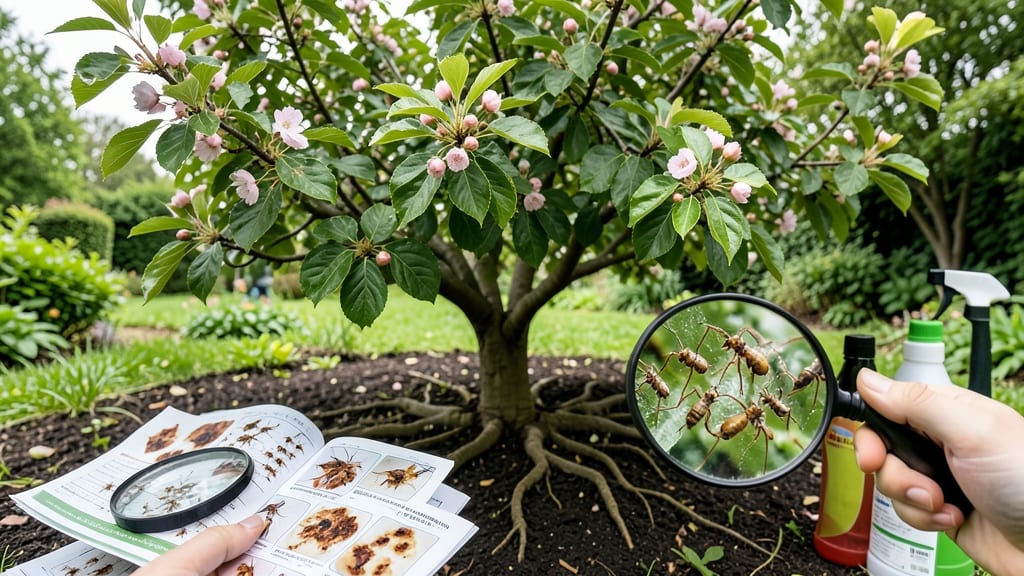
Your cherry tree’s sudden leaf spots or sawdust-like frass could signal the worst cherry tree pests and diseases—but not if you act fast. 🌿 I’ve saved three fruit-bearing cherries from borers and blight using these exact techniques, and they’re just as effective for ornamental trees.
The key is catching problems early, before they turn your tree into a skeleton.
Most damage starts with brown rot (that fuzzy gray mold) or borers (tiny holes in bark), but aphids and spider mites are sneaky too. My first mistake? Waiting until symptoms were obvious.
Now I inspect trees every 2 weeks in spring, looking for sticky residue (aphids) or tiny exit holes (borers). Prevention is easier than cleanup—think neem oil sprays, proper pruning, and mulch that keeps roots happy.
Once you spot trouble, organic fixes like bacillus thuringiensis for caterpillars or copper fungicide for blight work fast. I’ve even used a soapy water spray on aphids—it’s cheap and effective if you catch them early.
The goal isn’t just to stop the damage now but to build a tree that resists future attacks.
This works for both sweet and tart cherries, whether you’re growing them for fruit or just the shade. The same principles apply to all varieties—just adjust timing based on your climate. Let’s turn your struggling tree into a thriving one.
Root Causes of Cherry Tree Struggles
Cherry trees are prized for their luscious fruit and stunning blossoms, but when pests and diseases strike, they can quickly turn from vibrant assets into wilting liabilities. Understanding why these issues arise is the first step toward organic prevention and intervention.
Below, we break down the key factors—from environmental stressors to biological invaders—that leave your cherry tree vulnerable.
Cherry trees thrive in specific conditions, and when those conditions shift abruptly, their defenses weaken. Here’s how weather plays a role:
- Temperature Fluctuations:
Cherry trees prefer moderate climates (USDA Zones 5–7), but sudden freezes or heatwaves disrupt their growth cycles. Late spring frosts can damage blossoms before they pollinate, while prolonged drought stresses the tree, making it easier prey for pests like cherry fruit flies or powdery mildew.
Why it matters: Cold snaps slow sap flow, while extreme heat dehydrates leaves, creating entry points for fungal spores.
- Excessive Moisture:
Overwatering or poor drainage leads to root rot (caused by Phytophthora fungi) and canker diseases. Wet foliage also encourages bacterial leaf spot, which thrives in humid conditions.
Pro tip: 🌡️ Monitor soil moisture with a moisture meter—cherry trees hate soggy roots!
- Wind and Physical Damage: High winds can abrade bark, creating wounds where wood-boring beetles (like the Eurasian cherry fruit fly) lay eggs. Torn leaves also expose the tree to secondary infections.
Pests and pathogens don’t just appear out of nowhere—they exploit opportunities created by poor tree health or human activity.
- Overcrowded Plantings:
Cherry trees planted too closely compete for nutrients, stressing roots and making them susceptible to root rot or crown gall (a bacterial infection). Weak trees attract aphids, which then spread viruses like cherry leaf roll.
Why it happens: Crowded trees have reduced airflow, trapping moisture and fungal spores against bark.
- Poor Pruning Practices:
Improper cuts (too close to the trunk, jagged edges) create perfect entry points for wood-boring insects like the black cherry aphid or shothole borer. Pruning during active growth seasons (spring/fall) also stresses the tree, lowering its resistance.
Actionable fix: ✂️ Prune in dormant season (late winter) and use sterilized tools to avoid spreading disease.
- Contaminated Tools or Grafts: Fungal diseases like brown rot (Monilinia) or canker spread via infected pruners, nursery stock, or even bird droppings. If you’ve moved trees from an infected orchard, spores may hitchhike on roots or bark.
A cherry tree’s health starts below ground. Soil issues create a domino effect, weakening the tree’s immune system and inviting pests.
| Problem | How It Weakens the Tree | Resulting Vulnerabilities |
|---|---|---|
| Compacted or Clay Soil | Restricts root oxygen, stunting growth and reducing nutrient uptake. | 🐜 Increased root-knot nematode activity; fungal root rot. |
| Nitrogen Deficiency | Yellowing leaves (chlorosis) signal poor protein synthesis, weakening cell walls. | 🍄 More susceptible to powdery mildew and leaf spot. |
| Excessive Fertilizer (Especially Phosphorus) | Burns roots and attracts sap-sucking pests like mites and scale. | 🐛 Outbreaks of spider mites or cherry fruitworms. |
Soil test first! 💡 A simple soil test (available at extension offices) reveals pH and nutrient gaps—cherry trees prefer slightly acidic soil (pH 6.0–6.5).
Cherry trees aren’t meant to stand alone. A balanced orchard ecosystem includes predatory insects, mycorrhizal fungi, and pollinators—all of which deter pests naturally.
- Missing Natural Predators: When you remove ladybugs, lacewings, or parasitic wasps (via broad-spectrum pesticides), pest populations explode. For example, aphids (which spread leaf curl virus) have no checks and balances.
- Monoculture Plantings: Orchards with only cherry trees create a pest buffet. Diversifying with companion plants (like garlic, marigolds, or clover) confuses pests and attracts beneficials.
- Lack of Pollinators: Poor blossom health (from pesticide drift or climate stress) reduces fruit set, making trees less resilient to stress. Bees and butterflies also help control thrips, which damage flowers.
Quick fix: Plant native wildflowers near your tree to support pollinators and predators!
Quick Fixes for Cherry Tree Troubles
When your cherry tree starts showing signs of distress—whether it’s wilted leaves, strange holes, or mysterious spots—acting fast is key. Below, we’ve mapped out practical, organic solutions for the most common cherry tree pests and diseases, along with prevention tips to keep your tree thriving.
No harsh chemicals needed—just smart, natural fixes!
Cause: Brown rot, powdery mildew, or leaf spot (often from wet foliage or poor airflow). Fix:
- 🔥 Prune aggressively – Remove and destroy (don’t compost!) infected branches and fallen fruit. Use sterilized pruners (wipe with rubbing alcohol between cuts) to avoid spreading spores.
- 🌡️ Boost airflow – Thin out dense branches to improve sunlight and air circulation. Space trees 15–20 feet apart if replanting.
- 💡 Organic fungicide spray – Mix 1 tbsp baking soda + 1 tsp neem oil + 1 tsp dish soap per gallon of water. Spray every 7–10 days during wet seasons (spring/fall).
- 🌱 Soil health check – Amend soil with compost or mycorrhizal fungi to strengthen roots and reduce fungal entry points.
Prevention: ✔ Water at the base (avoid overhead sprinkling). ✔ Mulch properly (2–3 inches of organic mulch, keeping it 6 inches away from the trunk). ✔ Clean up fallen fruit—don’t let it rot on the ground!
Cause: Cherry fruitworms, Japanese beetles, or wood borers (tunneling into bark or fruit). Fix:
- 🍳 Trap & remove adults –
- For fruitworms: Hang pheromone traps (like this one) in early summer.
- For Japanese beetles: Set up beer traps (bury a cup filled with beer—beetles drown in it).
- 👨🍳 Handpick larvae – Check for sawdust-like frass (borer poop) in bark crevices. Scrape out tunnels with a wooden skewer and drop larvae in soapy water.
- 🔪 Seal entry points – Fill borer holes with tree wound dressing (organic option: pruning sealant with cinnamon or copper).
- 🌿 Plant companion herbs – Basil, mint, or tansy repel beetles naturally.
Prevention: ✔ Net young fruit – Use fine mesh fruit netting to block egg-laying pests. ✔ Encourage predators – Ladybugs and birds love beetle grubs. Add a birdhouse or native plant pollinator garden. ✔ Avoid over-fertilizing—weak trees attract more pests.
Cause: Root rot (Phytophthora), canker disease, or sunscald (often from compacted soil or poor drainage). Fix:
- ⏰ Drainage first! –
- Dig a 6-inch deep trench around the tree to improve water flow.
- Mix sand or perlite into heavy clay soil.
- 💡 Fungal treatment – Apply hydrogen peroxide (3%) to roots (dilute 1:10 with water) to kill pathogens.
- 🌱 Root aeration – Use a manual aerator or garden fork to loosen compacted soil.
- 🔪 Remove dead wood – Cut out cankered branches (sterilize tools!) and paint wounds with copper-based fungicide.
Prevention: ✔ Test soil pH (ideal: 6.0–7.0 for cherries). ✔ Mulch correctly—never pile mulch against the trunk (keep 6+ inches away). ✔ Water deeply but less often (1–2 inches per week).
Even after treating pests, boost your cherry tree’s immunity with these low-effort habits:
- 🍎 Feed smart – Use compost tea or fish emulsion (high in nitrogen) in early spring.
- 💪 Prune for light – Remove suckers and water sprouts to direct energy to fruit production.
- 🌿 Monitor regularly – Check undersides of leaves and bark crevices weekly for early signs.
Pro Tip: 🎯 Act at the first sign of trouble—most organic fixes work best when caught early! If your tree is severely compromised, consult a local arborist for a second opinion.
Now grab your gloves and get to work—your cherry tree will thank you with juicy, pest-free fruit in no time! 🍒✨
Frequently asked questions
How do I tell if my cherry tree has brown rot vs. powdery mildew?
Brown rot shows as dark, mushy fruit with fuzzy gray mold, while powdery mildew appears as white, powdery patches on leaves. Brown rot often starts on fallen fruit, while mildew thrives in humid conditions. Check for leaf spots with yellow halos (brown rot) or white coating on leaf undersides (mildew).
What’s the fastest way to get rid of cherry fruitworms?
Use pheromone traps in early summer to catch adults, then handpick larvae from fruit. For severe infestations, spray bacillus thuringiensis (Bt) every 7 days—it’s organic and kills caterpillars without harming bees. Remove all infested fruit immediately.
Can I save a cherry tree with canker disease?
Early-stage canker can be managed! Prune out infected branches below the canker (sterilize tools between cuts), then paint wounds with copper fungicide. Improve airflow by thinning branches and avoid overhead watering. Severe cases may require professional removal if the tree is structurally compromised.
Why do my cherry leaves look yellow even though I’m fertilizing?
Yellow leaves often signal over-fertilizing or root stress. Test soil pH (ideal: 6.0–6.5compacted soil (use a garden fork to aerate) and ensure proper drainage. Organic matter like compost can help restore balance.
Are there any companion plants that repel cherry pests naturally?
Yes! Plant garlic, chives, or marigolds near your tree to deter beetles and borers. Basil and mint also work well—just keep them 6 inches away from the trunk to avoid competing for nutrients. These herbs mask the tree’s scent, confusing pests while attracting beneficial insects.