
Pruning
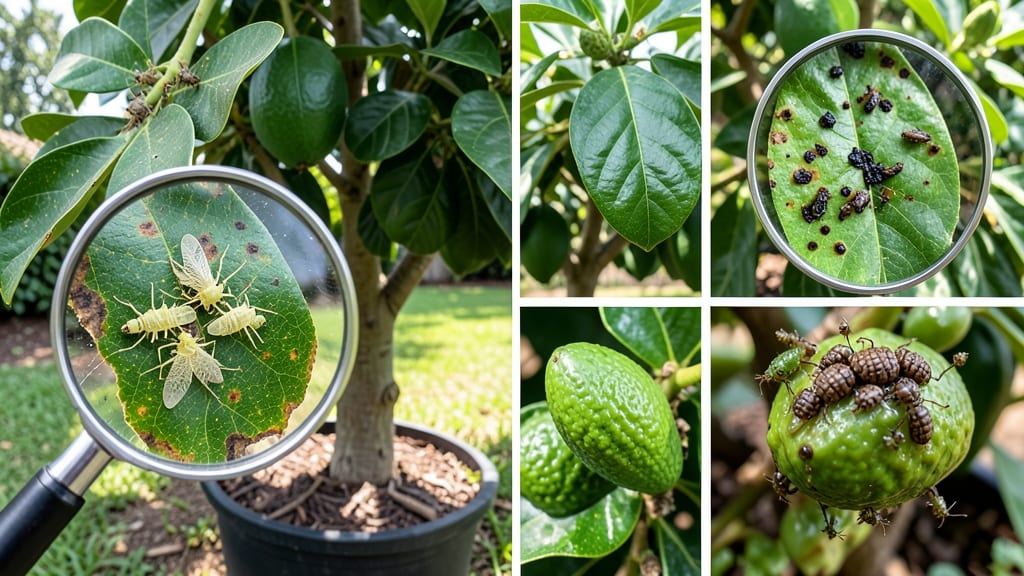
Avocado tree pests like spider mites and fungal blight can turn your backyard treasure into a sad, yellowing mess in weeks. 🌿 I’ve battled these exact problems with my own tree—and learned the quick-acting organic fixes that actually work, not just the ones that take months to show results.
Most gardeners panic when they see webbing on leaves or black spots on fruit, but the real secret is early action.
A simple mix of neem oil and insecticidal soap (applied at the first sign of trouble) stops spider mites dead in their tracks, while copper fungicide tackles blight before it spreads. The key? Checking your tree every 7-10 days during warm months.
You’ll see healthier leaves within 2-3 weeks of treatment, and your fruit will stay blemish-free if you catch issues fast. The best part? These methods work without harsh chemicals, so your tree—and your family—stays safe. No more helplessly watching your harvest fail.
Whether you’re dealing with lace bugs, mites, or blight, the same preventive habits apply: prune for airflow, water at the base (not the leaves), and keep an eye out for the first tiny signs of trouble. Here’s exactly how to do it right the first time.
Root Causes Of Tree Stress
Avocado trees are prized for their creamy, nutrient-rich fruit, but their health can take a nosedive when pests like fungal blight and spider mites strike. Understanding why these issues arise is the first step to preventing them.
Below, we break down the science-backed reasons your avocado tree might be under siege—so you can act fast and protect your harvest.
Avocado trees thrive in well-draining soil with ample oxygen flow to their roots. When roots become congested—whether from compacted soil, overwatering, or planting too closely to other trees—they struggle to absorb nutrients and expel excess moisture. This creates a damp, anaerobic environment that:
- Invites fungal pathogens like Phytophthora (a leading cause of root rot and blight). Fungi thrive in waterlogged conditions, where they release enzymes that break down root cells.
- Weakens the tree’s immune response. Stressed roots produce fewer antimicrobial compounds, making the tree more susceptible to secondary infections.
- Traps spider mites. Poor air circulation around the canopy (often linked to root stress) allows mite populations to explode, as they prefer dry, dusty leaves.
Actionable fix: Test your soil’s drainage by digging a 12-inch hole and filling it with water. If it doesn’t drain within 4 hours, amend with perlite or coconut coir. Mulch with wood chips to improve soil structure over time.
Avocado trees are heavy feeders, especially during fruit production. When soil lacks key nutrients—or an imbalance exists—the tree’s defenses weaken, making it an easy target for pests. Common deficiencies include:
| Nutrient | Symptoms | Pest Risk |
|---|---|---|
| Nitrogen (N) | Yellowing leaves, stunted growth | Spider mites thrive on stressed foliage with reduced chlorophyll. |
| Potassium (K) | Brown leaf edges, weak stems | Fungal blight spreads faster in potassium-deficient trees due to compromised cell walls. |
| Zinc (Zn) | Distorted new growth, leaf curling | Zinc deficiency reduces the tree’s ability to produce antifungal proteins. |
Actionable fix: Conduct a soil test (available through local extension offices) and supplement with organic amendments like composted manure (high in N), greensand (for K), or zinc sulfate (for Zn). Avoid over-fertilizing—avocados prefer slow-release nutrients.
Avocado trees are sensitive to temperature swings, particularly in regions with hot days and cold nights. Pests exploit this vulnerability in two ways:
- Cold stress: Temperatures below 32°F (0°C) damage leaf tissue, creating entry points for fungal spores. Spider mites, meanwhile, become more active in the warmth of the day but retreat to protected areas (like leaf undersides) when nights cool.
- Heat stress: Prolonged heatwaves (above 95°F/35°C) cause water loss and leaf scorch. The tree’s weakened state makes it easier for mites to pierce cells and for fungal spores to germinate.
Actionable fix:
- 🌡️ Mulch heavily (4–6 inches of organic mulch) to regulate soil temperature.
- 💧 Water deeply during heatwaves to maintain leaf turgor (avoid wetting foliage at night to prevent fungal growth).
- 🌿 Provide shade cloth (30–50% shade) during peak summer months if your climate is extreme.
Some pests don’t just attack avocado trees—they create conditions that invite worse infestations. For example:
- Scale insects excrete honeydew, a sticky substance that fosters sooty mold—a fungal growth that blocks sunlight and weakens the tree.
- Whiteflies transmit viruses that stunt growth, making the tree more attractive to spider mites (which prefer soft, damaged leaves).
- Root-knot nematodes (microscopic worms) damage roots, reducing water uptake and stressing the tree—directly leading to fungal blight.
Actionable fix: Monitor your tree regularly for early signs of secondary pests. Use a strong stream of water to dislodge scale insects or introduce beneficial nematodes (Steinernema spp.) to combat root-dwelling pests organically.
Residual pesticides, herbicides, or even heavy metals in soil can disrupt the tree’s natural defenses. While avocados are hardy, repeated exposure to synthetic chemicals:
- Alters the soil microbiome, reducing beneficial fungi and bacteria that suppress pests.
- Leads to chemical burn on roots or leaves, creating wounds for pathogens to enter.
- Disrupts the tree’s hormonal balance, making it more susceptible to mite infestations.
Actionable fix: If you suspect chemical buildup, flush the soil with chelated iron or organic matter like composted seaweed. Avoid synthetic fungicides—opt for baking soda sprays (1 tbsp baking soda + 1 quart water + a drop of dish soap) for fungal issues.
Quick Fixes for Avocado Tree Pests
Avocado trees are a treasure, but pests like spider mites, fungal blight, and sap-sucking insects can turn your lush green canopy into a battleground. The good news?
You don’t need harsh chemicals to win. Below are practical, organic solutions tailored to common pests, along with prevention tips to keep your tree thriving long-term.
Spider mites thrive in dry, dusty conditions, leaving behind fine webs and stippled leaves. Act fast with these steps:
🍳 Immediate Treatment: Knock Them Out
- Blast them off – Use a strong jet of water from your hose (early morning or late evening) to dislodge mites and their eggs. Repeat every 3–4 days for 2 weeks.
- Neem oil spray – Mix 1 tbsp neem oil + 1 tsp mild soap + 1 quart water. Spray under and on top of leaves (mites hide on the undersides!). Reapply every 5–7 days until gone.
- Horticultural oil – Apply in cooler weather (below 90°F) to smother mites. Follow label instructions for dilution.
🌿 Long-Term Prevention
- Increase humidity – Mites hate moisture. Use a mist system or place a tray of water near the tree.
- Encourage predators – Ladybugs and lacewings love spider mites.
Buy them online or attract them with dill or fennel plants nearby. - Prune regularly – Remove heavily infested leaves and dispose of them in a sealed bag (not compost).
Fungal blight (like Phytophthora or anthracnose) causes dark, sunken lesions and can kill branches if untreated.
👨🍳 Organic Fungicide Mix
- Baking soda spray – Combine 1 tbsp baking soda + 1 tsp neem oil + 1 tsp soap + 1 gallon water. Spray every 7–10 days until new growth appears.
- Copper fungicide – Use copper soap (like Copper Septicide) as a preventive spray before rainy seasons.
- Remove infected branches – Cut off blackened or mushy growth with sterilized pruners (wipe with rubbing alcohol between cuts).
🌡️ Prevention for Wet Climates
- Improve drainage – Avocados hate soggy roots. Amend soil with compost + perlite and avoid overwatering.
- Space trees properly – Poor airflow = fungal heaven.
Keep trees 10–15 feet apart. - Mulch correctly – Use wood chips (not fresh mulch) to prevent soil-borne fungi from splashing onto leaves.
These pests weaken trees by draining sap, leaving sticky residue ("honeydew") and sooty mold.
🔪 Manual Removal + Natural Sprays
- Scrape them off – Use a soft brush or cotton swab dipped in rubbing alcohol to wipe off scale and mealybugs.
- Insecticidal soap – Mix 2.5 tbsp castile soap + 1 quart water.
Spray directly on pests (reapply every 5 days). 3. Diatomaceous earth (DE) – Sprinkle food-grade DE around the base and on leaves (reapply after rain). ⚠️ Avoid if bees are present.
🎯 Prevention: Break the Cycle
- Hire predator insects – Parasitic wasps (like Encarsia) hunt whiteflies.
Order them from garden centers. - Yellow sticky traps – Hang them near the tree to catch flying pests like whiteflies. - Avoid over-fertilizing – Too much nitrogen = softer leaves = easier meals for pests.
For general pest resistance, follow these pro tips:
- 💡 Foliar feed with seaweed extract – Strengthens leaves naturally (use every 4–6 weeks).
- 🌿 Plant companion plants – Marigolds, basil, or garlic repel many pests.
- 🕒 Monitor monthly – Check leaf undersides, new growth, and bark crevices for early signs.
Remember: Patience is key! Some pests take 4–6 weeks to fully eradicate. Stay consistent, and your avocado tree will bounce back stronger than ever. 🌱💪
Frequently asked questions
What are the first signs my avocado tree has spider mites?
Look for tiny yellow or brown speckles on leaves (like pepper dust) and fine webbing between branches. Check leaf undersides first—mites hide there. If you see stippled or discolored leaves, act fast with neem oil or insecticidal soap before the infestation spreads.
How do I tell if my avocado tree has fungal blight vs. pest damage?
Fungal blight shows as dark, sunken lesions on leaves or fruit, often with a white or gray mold. Pest damage (like lace bugs) causes yellowing between leaf veins without webbing. Blight thrives in wet conditions, while pests love dry, dusty environments—check your tree’s moisture levels for clues.
Can I use the same treatment for all avocado tree pests?
No—different pests need different fixes. Spider mites respond to neem oil or water blasts, while fungal blight requires baking soda sprays or copper fungicide. Overusing one treatment (like horticultural oil) can harm beneficial insects or stress the tree. Always match the remedy to the specific pest.
Why do my avocado leaves keep turning yellow, even after treating pests?
Yellow leaves often signal root stress (from overwatering or poor drainage) or nutrient deficiencies (like nitrogen or potassium). Test your soil and check for soggy roots. If pests were ruled out, focus on improving drainage and adding organic compost—your tree may need a nutrient boost, not just pest control.
How often should I inspect my avocado tree for pests?
Check your tree every 7–10 days during warm months (spring-fall) and monthly in winter. Focus on leaf undersides, new growth, and fruit—these are pest hotspots. Early detection saves your harvest! Use a handheld magnifier if you’re unsure what you’re seeing.