
Pruning
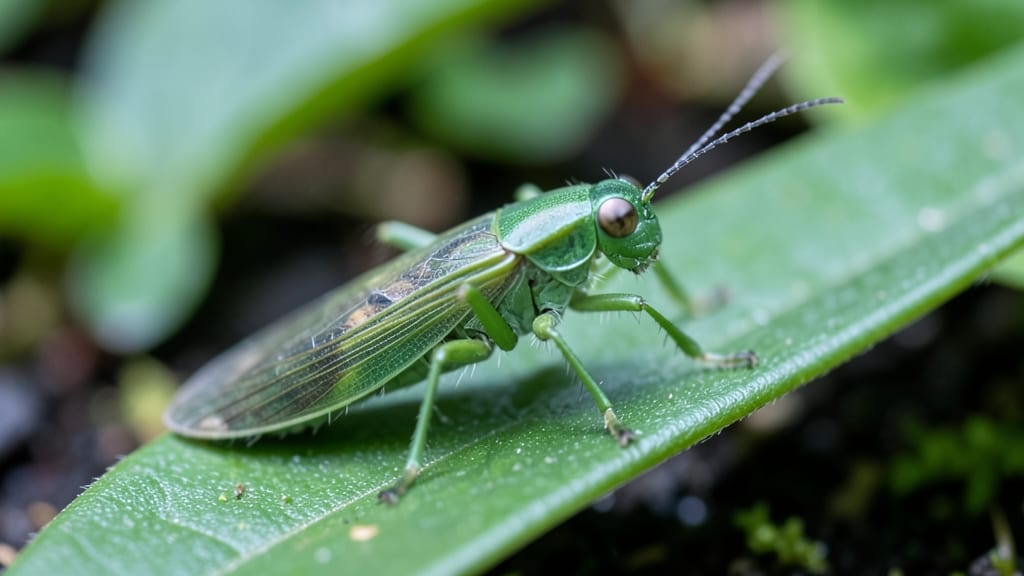
Identifying tiny tree bugs before they ruin your pruning efforts saves hours of cleanup later. 🌳 I’ve spent years watching aphids, scale, and spider mites turn healthy branches into sticky, yellowed messes—until I learned their telltale signs.
The key is catching them early, when a spray bottle of soapy water still works better than harsh chemicals.
These pests leave clues: aphids cluster on new growth, leaving honeydew that attracts ants; scale insects look like tiny bumps on bark; and spider mites spin fine webbing between leaves.
Stunted growth, curled leaves, or black sooty mold on branches? That’s their handiwork. Most gardeners wait too long—don’t be one of them.
With the right tools, you’ll prune out infested branches cleanly and restore your tree’s health in weeks. Natural neem oil or insecticidal soap works for mild cases, while severe infestations might need targeted systemic treatments. The goal isn’t just to kill bugs—it’s to protect the tree’s future growth.
Prevention is easier than cleanup: inspect trees monthly, especially after rain, and remove debris where pests hide. Healthy trees resist attacks better, so proper pruning (thinning instead of topping) keeps them strong. Trust me, your future self will thank you when the next growing season arrives bug-free.
Root Causes Of Tiny Tree Invaders
Tiny tree bugs—whether sap-sucking aphids, wood-boring beetles, or leaf-chewing caterpillars—don’t just appear out of nowhere. Their presence is almost always a response to specific environmental or plant-related triggers.
Understanding these causes helps you prevent infestations before they disrupt your pruning plans or harm your trees. Here’s why these tiny pests show up when they do:
Healthy trees naturally repel pests through physical barriers (thick bark, waxy leaves) and chemical defenses (resins, toxins). But when trees are stressed, these protections weaken, making them prime targets. Common stressors include:
- Nutrient deficiencies: Lack of nitrogen, phosphorus, or micronutrients (like magnesium) stunts growth, making foliage less tough. Test soil pH and amend with compost or slow-release fertilizers to restore balance.
- Water imbalances: Overwatering (leading to root rot) or drought stress both create ideal conditions for pests. Monitor soil moisture—aim for 1 inch of water per week during dry spells.
- Physical damage: Cuts from pruning, storm wounds, or animal scratches expose sap, which attracts sugar-loving bugs like aphids. Always sterilize pruners with rubbing alcohol and seal wounds with pruning sealant.
Pro Tip: 🌡️ Mulch properly (2–4 inches of organic mulch, kept 6 inches away from the trunk) to regulate soil temperature and retain moisture—this reduces stress-related vulnerabilities.
Trees with dense, unmanaged canopies create microclimates that pests adore—high humidity, sheltered spots, and limited airflow. Here’s how overgrowth invites trouble:
- Shady, damp leaves: Fungal diseases (like powdery mildew) often precede pest outbreaks. Thin out branches to allow sunlight and air circulation, especially in deciduous trees (e.g., maples, oaks).
- Hidden breeding grounds: Thick foliage shields egg-laying pests (e.g., spider mites, scale insects) from predators like ladybugs or birds. Prune in late winter/early spring to remove mummified leaves or sawdust-like frass (a sign of borers).
- Root competition: Overcrowded trees (from nearby plants or saplings) compete for resources, weakening their immune response. Remove competing vegetation within a 3-foot radius of the tree’s drip line.
Actionable Fix: ✨ Follow the "Open Center" pruning rule for fruit trees—remove 30–50% of old wood annually to improve airflow and sunlight penetration.
Tiny tree bugs thrive when their natural enemies (like parasitic wasps, birds, or beneficial insects) are scarce. Disruptions to this ecosystem often stem from:
- Pesticide overuse: Broad-spectrum chemicals (e.g., neonicotinoids) kill both pests and their predators. Opt for targeted sprays (e.g., horticultural oil for soft-bodied bugs) or biological controls like Bacillus thuringiensis (Bt) for caterpillars.
- Habitat loss: Removing native plants or shrubs eliminates shelter for predator insects. Plant companion species like dill, yarrow, or marigolds to attract ladybugs and lacewings.
- Seasonal timing: Some predators (e.g., praying mantises) emerge later in the season. Monitor trees weekly in spring—early intervention (e.g., blasting aphids with water) can prevent outbreaks before predators arrive.
Data Point: 📊 Studies show trees with diverse understory plants have 30% fewer pest issues due to increased predator activity.
Global warming and erratic weather patterns are extending the active seasons of many tree pests. For example:
- Warmer winters: Insects like emerald ash borers or spotted lanternfly nymphs survive cold snaps that once killed them. Inspect bark crevices in late winter for egg masses or sawdust-like frass.
- Early springs: Pests emerge 2–4 weeks earlier, often before trees leaf out, leaving them vulnerable. Apply preventive sprays (e.g., kaolin clay) in late winter to deter egg-laying.
- Heavy rains: Excess moisture softens bark, making it easier for borers to penetrate. Install bark mulch to protect trunks and avoid overhead watering during blooming seasons.
Climate Hack: ⏰ Use a degree-day calculator to track pest emergence patterns in your region—most bugs become active at 500+ degree-days (a measure of heat accumulation).
Quick Fixes for Tree Invaders
Discovering tiny tree bugs—whether they’re sap-sucking aphids, leaf-munching caterpillars, or wood-boring beetles—can feel like an unwelcome surprise. But don’t worry! With the right approach, you can restore your tree’s health and keep future pests at bay.
Below, we’ve mapped out practical solutions based on the most common culprits, along with preventive tips to avoid repeat visits.
These tiny troublemakers drain nutrients from leaves, leaving behind sticky honeydew and sooty mold. Here’s how to evict them:
- 💦 Blast Them Off
Use a strong stream of water from a hose to disrupt their colonies. Repeat every 3–5 days until they vanish. Best done in the morning so leaves dry quickly.
- 🧼 Soap It Up
Mix 1 tablespoon of mild dish soap (like Castile) with 1 quart of water in a spray bottle. Test on a small leaf first, then spray directly on pests. Reapply after rain.
- 🌿 Natural Predators
Encourage ladybugs, lacewings, or parasitic wasps—they love these pests. Plant dill, fennel, or marigolds nearby to attract them.
💡 Prevention Tip: Keep trees healthy and hydrated—stressed trees attract more pests. Prune to improve airflow, and remove heavily infested branches immediately.
These ravenous munchers can skeletonize leaves overnight. Act fast with these methods:
- 🕷️ Handpick & Drop
If infestations are small, glove up and pluck caterpillars into a bucket of soapy water. Check undersides of leaves and new growth first.
- 🍄 Bacillus Thuriengensis (BT)
This organic bacteria is toxic only to caterpillars. Mix with water and spray evenly on leaves. Reapply after rain. ⚠️ Safe for pets and people!
- 🌟 Neem Oil Spray
Combine 1 teaspoon neem oil + 1 teaspoon soap + 1 quart water. Spray early in the morning to avoid harming bees. Repeat weekly until pests disappear.
💡 Prevention Tip: Disrupt their life cycle by removing egg masses (often on leaf undersides) in late fall or winter before they hatch.
These sneaky pests tunnel under bark or into wood, weakening trees over time. Early action is key:
- 🔪 Prune Infested Branches
Cut and dispose of (don’t compost!) branches with exit holes or sawdust-like frass. Seal wounds with pruning sealant to prevent entry.
- 🪲 Insecticide Drench (For Small Trees)
Use a systemic insecticide like imidacloprid (follow label instructions). Soak the soil around the tree’s drip line for root uptake.
- 🌲 Encourage Natural Enemies
Woodpeckers and parasitic wasps hunt borers. Install a birdhouse or leave dead trees (snags) in your yard to support them.
💡 Prevention Tip: Keep trees strong by watering deeply during droughts and avoiding wounding bark with tools. Healthy trees = fewer borers!
An ounce of prevention is worth a pound of cure. Follow these year-round habits to keep tiny tree bugs away:
- 💧 Water Deeply & Consistently
Drought-stressed trees attract pests. Water slowly at the base (1–2 inches per week) rather than shallowly.
- 🌿 Mulch Properly
Apply 2–4 inches of mulch (wood chips or bark) around the tree’s drip line, but keep it 6 inches away from the trunk to prevent rot.
- 🌳 Prune for Airflow
Remove dead, crossing, or crowded branches to reduce humidity (pests love damp, shaded areas). Prune in late winter or early spring.
- 🦋 Diversify Your Landscape
Plant native flowers, shrubs, and herbs to attract beneficial insects that prey on pests.
✨ Pro Tip: Monitor regularly—check leaves, bark, and soil for early signs of trouble. A 10-minute weekly inspection can save your tree from a full-blown infestation!
Frequently asked questions
What are the most common types of tiny tree bugs I should watch for?
The most troublesome tiny tree bugs include aphids (tiny green/black clusters on new growth), scale insects (brown bumps on bark), spider mites (fine webbing between leaves), and borers (sawdust-like frass near bark crevices). Each leaves distinct damage—aphids cause sticky honeydew, while borers weaken wood from the inside.
How do I tell if my tree has a bug problem or just needs better care?
Look for specific signs: curled leaves, yellowing patches, or webbing mean bugs. Healthy trees may just have slow growth from poor soil/nutrients, but bugs leave visible damage like holes, sap residue, or frass. Test with a magnifying glass—tiny moving dots = pests!
Are homemade sprays like soap and water safe for all tree types?
Most mild dish soap sprays (1 tbsp soap + 1 quart water) are safe for hardy trees like oaks or maples, but avoid using them on delicate species (e.g., fruit trees) where soap can burn leaves. Always test on a small branch first. For severe cases, opt for neem oil instead.
When is the best time of year to treat tiny tree bugs?
Early spring (before buds open) and late fall (after leaf drop) are ideal for preventive sprays. Treatments work best when pests are most vulnerable—avoid spraying during extreme heat or when bees are active. For borers, winter is key to removing egg masses from bark.
Will chemical pesticides actually kill tiny tree bugs, or just hide the problem?
Chemicals like imidacloprid can kill pests quickly, but they often disrupt natural predator populations (like ladybugs) and may not address the root cause. For long-term fixes, combine targeted sprays with cultural controls (proper pruning, mulching, and watering) to make trees less attractive to pests.