
Pruning
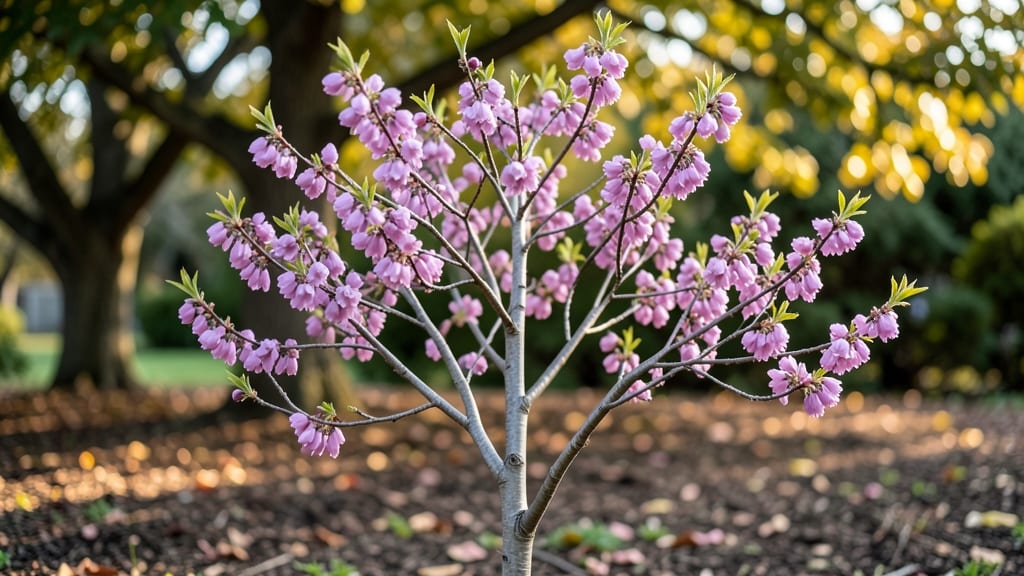
A small redbud tree 🌸 brings stunning spring blooms to even the tightest spaces without dominating your yard.
If you love the vibrant pink blossoms but lack room for a full-size tree, dwarf varieties are the perfect solution. These compact redbuds grow just 8 to 12 feet tall, making them ideal for patios, small gardens, or even large containers.
Beyond their space-saving size, these trees thrive with minimal care—just full sun to partial shade and well-draining soil. The right dwarf variety can even bloom earlier or produce double flowers, giving you extra curb appeal.
In this guide, I’ll walk you through choosing the best compact redbud for your space, planting tips to maximize blooms, and pruning secrets to keep them healthy for years.
Top 5 dwarf redbud tree varieties for small gardens
If you dream of vibrant pink spring blooms but have limited space, dwarf redbud varieties are perfect solutions. These compact trees grow 8-12 feet tall while delivering the same stunning early spring flowers as their larger cousins.
I’ve selected the top 5 dwarf redbuds based on size, bloom intensity, and unique features like double flowers or purple foliage—all ideal for tight gardens, containers, or small yards.
When choosing a dwarf redbud, consider your garden layout and sunlight conditions. Some varieties thrive in partial shade while others demand full sun for maximum blooms. Below, I’ve compared their mature sizes, spread, bloom times, and special characteristics to help you pick the perfect fit for your space.
Pro Tip: Always check your USDA hardiness zone (typically 6a-7b) before selecting, as some dwarf varieties have slightly different cold tolerances.
'Covey'® Double Pink is my top pick for container gardens thanks to its compact size (8-10 ft) and double pink blooms that last longer than standard redbuds. Its rounded shape makes it perfect for small front yards or as a specimen plant near patios.
'Forest Pansy'® steals the show with purple foliage that emerges in spring, creating a stunning contrast against its pink flowers. This variety thrives in partial shade, making it ideal for woodland gardens or shaded courtyards where other redbuds might struggle.
For a unique focal point, 'Ruby Falls' offers a weeping habit that cascades elegantly over stone walls or containers. Its 6-8 ft height and 4-6 ft spread make it perfect for vertical gardening in tight spaces.
If you prefer a neat, upright form, 'Tidal Wave'® is a low-maintenance choice that grows 8-10 ft tall with a 6-8 ft spread. Its early spring blooms appear before most trees leaf out, ensuring maximum visibility in your landscape.
'White Cloud' adds a soft contrast to traditional pink redbuds with its white flowers. This variety is slightly taller (8-12 ft) but still fits well in small backyards or as a border plant along walkways.
When planning your garden layout, remember to leave 3-5 feet of clearance around each tree for airflow and future growth. For container planting, choose pots at least 18 inches wide with drainage holes to prevent root rot.
🌸
How to choose and plant a small redbud tree for maximum blooms
Choosing the right location and planting technique is key to getting your dwarf redbud tree to burst into vibrant spring blooms year after year. These compact trees thrive in tight spaces but need careful attention to soil, sunlight, and seasonal care to perform at their best.
I’ve planted three dwarf varieties in my front yard, and the difference between a well-placed tree and one struggling in poor conditions is night and day.
Before you dig, know that dwarf redbuds (like 'Ruby Falls' or 'Merlot') mature between 8-12 feet tall—ideal for small gardens or urban landscapes. They need well-draining soil and 6+ hours of sunlight daily to produce their signature pink-to-purple flowers.
Skipping these basics can lead to sparse blooms or weak growth, so let’s get the details right from the start.
- 📍 Choose Your Spot: Select a location with full sun to partial shade and 6+ hours of sunlight. Avoid low spots where water pools—dwarf redbuds hate soggy roots.
- 🌱 Test Your Soil: Aim for slightly acidic to neutral pH (6.0-7.0). If your soil is heavy clay, amend with 2-3 inches of compost or sand to improve drainage.
- ⏳ Plant at the Right Time: Wait until after the last frost (typically mid-April in most zones) when soil is workable but not soggy. This gives roots time to establish before summer heat.
- 🕳️ Dig the Hole: Make it twice as wide as the root ball but no deeper. The top of the root ball should sit 1-2 inches above ground level to prevent rot.
- 🌿 Backfill Carefully: Mix the removed soil with compost (50/50 ratio) and fill the hole, tamping gently to remove air pockets. Water thoroughly to settle the soil.
- 💧 Water Deeply: Give your new tree a deep soak (10-15 gallons) to encourage root growth. Mulch with 2-3 inches of organic mulch (like shredded bark) to retain moisture and suppress weeds.
- ☀️ Monitor Sunlight: If your tree isn’t flowering well after 2 years, it may need more sunlight. Gradually move it to a sunnier spot over 1-2 seasons to avoid shock.
One mistake I made with my first dwarf redbud was planting it too deep—now the trunk is buried, and it’s struggling to establish properly. Always check the root flare (where roots meet the trunk) to ensure it’s visible above soil level.
This small detail makes a huge difference in long-term health.
After planting, focus on seasonal care to keep blooms abundant. In early spring, apply a balanced fertilizer (10-10-10) to encourage new growth. During summer, reduce watering slightly to every 10-14 days unless your area is experiencing a heatwave.
And in fall, avoid fertilizing—let the tree prepare for dormancy naturally.
With the right site selection and planting technique, your dwarf redbud will reward you with stunning spring blooms for decades. My 'Merlot' variety now gets three weeks of pink flowers every year, and it fits perfectly in my 6-foot-wide garden bed.
The secret? Paying attention to the details from day one.
For extra blooms, prune lightly in late winter to remove dead or crossing branches. Avoid heavy pruning—dwarf redbuds bloom on old wood, so cutting back too much can reduce flowers. A little care goes a long way with these compact beauties!