
Pruning
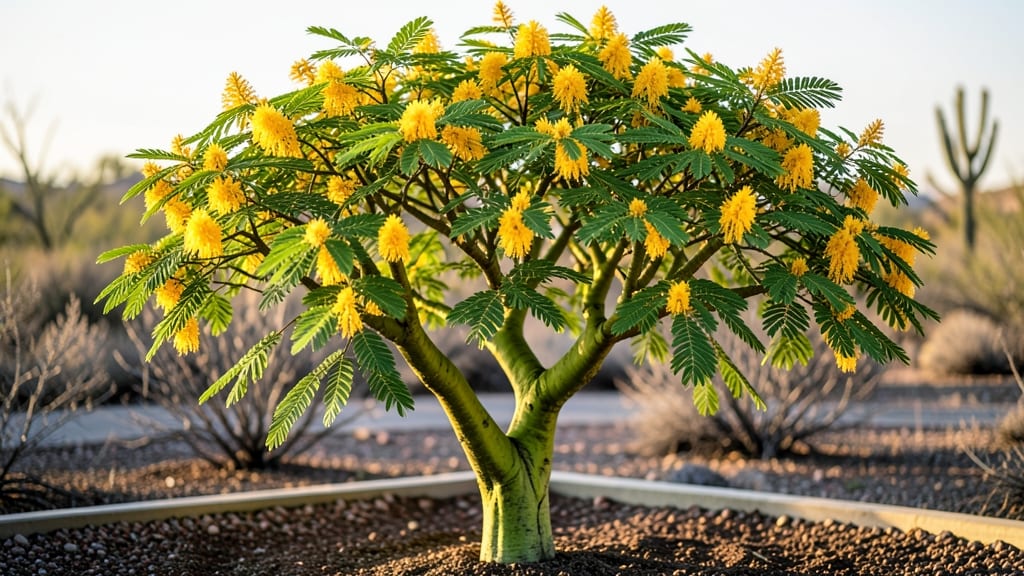
A palo verde tree in your front yard isn’t just a plant—it’s a sun-loving privacy screen that grows fast, thrives in drought, and turns heads with its bright green bark and cheerful yellow blooms. 🌿 I planted mine three years ago, and now it stands as the centerpiece of my yard, offering shade, texture, and a welcoming first impression for neighbors and guests alike.
The secret to making it work? Placement is everything. Palo verdes crave full sun—at least 6 hours daily—so position it where it won’t compete with your house or other shade-loving plants.
Pair it with drought-tolerant ground covers like lantana or succulents to create a cohesive, low-maintenance look that still feels lush and intentional. By year three, you’ll have a 15-foot-tall tree with enough canopy to block nosy views while keeping your energy bills lower.
The bark’s unique texture adds visual interest year-round, and the spring flowers attract pollinators, turning your yard into a mini ecosystem. Plus, it’s one of the few trees that stays green even in dry spells—no extra watering needed. Works for modern, desert, or Mediterranean-style homes.
Here’s how to make it the star of your front yard without sacrificing curb appeal.
Root Causes Of Palo Verde Struggles
When your palo verde tree in the front yard isn’t thriving, it’s usually due to a mix of environmental and human factors. Understanding these root causes helps you take precise action to revive or prevent future issues.
Below are the most common reasons your tree might be underperforming—and how to fix them.
Palo verde trees (Parkinsonia spp.) are drought-tolerant but despise soggy or nutrient-poor soil. Their native Sonoran Desert habitat means they prefer well-draining, slightly alkaline soil (pH 7.0–8.5).
If your front yard soil is compacted, clay-heavy, or waterlogged, roots suffocate, leading to: - Yellowing or wilting leaves (iron deficiency or root rot). - Stunted growth (lack of oxygen to roots). - Leaf drop (stress response).
Why it happens:
- Clay or loamy soil holds excess moisture, causing anaerobic conditions (roots drown).
- Over-fertilizing with nitrogen-heavy mixes disrupts microbial balance, harming beneficial fungi like mycorrhizae that help nutrient absorption.
- Lack of organic matter reduces porosity, making it hard for roots to spread.
Actionable fix: ✅ Test soil pH (aim for 7.5–8.0) and amend with crushed limestone if too acidic. ✅ Add coarse sand or perlite (20–30%) to improve drainage in heavy soils. ✅ Mulch with wood chips (2–3 inches) to retain moisture without suffocating roots.
Palo verdes are succulents by nature—they store water in their green bark and stems, not just leaves.
Overwatering is the #1 killer because it: - Triggers root rot (Phytophthora fungi thrive in wet conditions). - Dilutes nutrients in the soil, starving the tree. - Encourages weak, spindly growth (prone to breakage).
Why it happens:
- Automatic sprinklers soak the canopy, wetting leaves (fungus risk) and bark (sun scald).
- Shallow watering (e.g., short sprinkler cycles) encourages roots to stay near the surface, where they dry out quickly.
- Ignoring seasonal needs—newly planted trees need deep, infrequent watering, while mature ones can go months without rain in drought conditions.
Actionable fix: 💧 Water deeply but rarely: 1–2 inches per week (more in summer) via drip irrigation at the drip line (not the trunk). 🚫 Avoid wetting foliage—use soaker hoses buried 6 inches deep. 📅 Reduce watering in winter (dormancy phase)—only water if soil is bone-dry 6+ inches down.
Palo verdes love full sun (6+ hours daily), but intense afternoon heat or sudden shade changes can stress them.
Common signs: - Leaf scorch (brown, crispy edges) from direct afternoon sun + dry air. - Slow growth if shaded by new structures (e.g., a garage or taller tree). - Leggy, sparse branches when young trees don’t get enough light.
Why it happens:
- New construction (e.g., a fence or patio) casts unexpected shade, disrupting photosynthesis.
- Windburn from dry, hot winds (common in desert climates) dries out leaf surfaces faster than roots can replace moisture.
- Improper planting location—too close to reflective surfaces (driveways, pools) can scorch bark.
Actionable fix: 🌿 Plant in full sun (south or west-facing spots ideal). 🌬️ Use shade cloth (30–50%) during first year if transplanting in peak summer. 🎨 Mulch with light-colored chips to reflect heat away from the trunk.
While palo verdes are pest-resistant, they’re not invincible. Scale insects, spider mites, and fungal diseases (like powdery mildew) can take hold if the tree is already stressed.
Watch for: - Sticky residue (honeydew) on leaves = scale insects. - Fine webbing = spider mites (dry conditions). - White powdery coating = powdery mildew (from overhead watering).
Why it happens:
- Weakened trees (from drought or poor soil) have lower defenses.
- Monoculture landscapes (planting only palo verdes) attract pests faster.
- Overhead irrigation keeps foliage damp, inviting fungal spores.
Actionable fix: 🐜 Blast pests off with a strong hose spray (disrupts scale/mite colonies). 🌿 Apply neem oil (1 tsp/gallon water) for fungal/bacterial issues. 🌱 Encourage predators—ladybugs and lacewings eat mites naturally.
Palo verdes are semi-tropical—they survive light freezes (down to 20°F) but young trees or new growth are vulnerable. Signs of frost damage:
- Blackened or mushy leaves (cell rupture from ice crystals).
- Delayed spring regrowth (buds fail to open).
- Cracked bark (from rapid temperature swings).
Why it happens:
- Late-spring frosts (after buds form) kill emerging leaves.
- Poor microclimate—planting in a low-lying area traps cold air.
- Overhead watering before frost can freeze on leaves, acting like tiny ice picks.
Actionable fix: ❄️ Mulch heavily (4–6 inches of straw or wood chips) to insulate roots. 🌡️ Use frost cloth (lightweight fabric) on new growth if frost is forecast. ☀️ Plant in a sheltered spot (near a south-facing wall or other trees).
Palo verdes bloom on old wood, so aggressive pruning (especially in late winter/early spring) removes next year’s flowers.
Poor pruning also: - Creates entry points for disease (if cuts are too large or jagged). - Disrupts the tree’s natural shape, leading to weak branch unions. - Over-thins the canopy, reducing shade and privacy benefits.
Why it happens:
- Pruning at the wrong time (best: late winter before buds swell).
- Using dull tools = torn bark (invites pathogens).
- Removing too many branches at once (shocks the tree).
Actionable fix: ✂️ Prune in late winter (Feb–March) to shape but not over-thin. 🔥 Seal large cuts (>1 inch) with pruning sealant (or clean tar). 🌿 Avoid "topping"—always cut just above a lateral branch (never stubs).
Palo verdes have aggressive root systems (up to 30–50 feet wide) and hate competition. Problems arise when:
- Sidewalks or driveways restrict root spread.
- Nearby trees/shrubs steal water and nutrients.
- Buried utilities or concrete cause root girdling.
Why it happens:
- Roots grow toward moisture—if a sprinkler runs near a foundation, they’ll invade plumbing or cracks.
- Mulch volcanoes (piled against the trunk) smother roots and attract pests.
- Construction damage (e.g., trenching too close) severs roots.
Actionable fix: 🚜 Avoid planting near hardscapes—keep 5+ feet from sidewalks. 🌳 Remove competing plants within a 10-foot radius. 🔧 Use root barriers (if near structures) but install before planting.
💡 Pro Tip: Most palo verde issues stem from **
Fixing Common Palo Verde Tree Issues
A well-placed palo verde tree in your front yard can transform your outdoor space into a sun-drenched oasis—but only if you address its quirks early. From leggy branches to stubborn pests, these trees need a little TLC to thrive.
Below, we’ll tackle the most common problems with practical, step-by-step solutions and prevention tips to keep your tree lush and healthy for years.
Cause: Fast growth, improper pruning, or lack of structural guidance.
How to Fix It: 🔥 Prune in Late Winter or Early Spring – This is the best time to shape your tree before new growth begins. Use clean, sharp pruning shears to avoid tearing bark.
🍳 Remove Dead or Crossing Branches First – Start by cutting back any dead, diseased, or rubbing branches (those that cross or rub against others). This improves airflow and prevents future issues.
👨🍳 Thin Out the Canopy – Aim to remove no more than 25% of the foliage in one session. Focus on branches growing inward or downward to open up the center.
🥘 Encourage a Strong Structure – If your tree is leggy, look for strong, upward-growing branches (called "water sprouts") and prune them back to encourage bushier growth.
⏰ Schedule Regular Maintenance – Palo verdes grow quickly, so a light trim every 6–12 months keeps them manageable.
💡 Pro Tip: Avoid "topping" (cutting the main trunk flat)—this weakens the tree and leads to unsightly regrowth.
Cause: Weakened trees attract pests like aphids, scale insects, or fungal diseases (e.g., powdery mildew).
How to Fix It: 🔥 Identify the Problem First – Check for sticky residue (honeydew), white webs, or discolored leaves. Aphids leave a shiny, sticky mess, while scale appears as bumpy, brown spots.
🍳 Spray with Neem Oil or Insecticidal Soap – For mild infestations, mix 1 tsp neem oil per quart of water with a drop of dish soap and spray the undersides of leaves. Repeat every 7–10 days until pests are gone.
👨🍳 Prune Infected Branches – If a branch is severely damaged, cut it off and dispose of it (don’t compost—burn or bag it).
🥘 Improve Air Circulation – Thin out dense foliage to reduce humidity, which fungal diseases love.
🌡️ Prevent Future Issues – Water at the base (not overhead) to keep leaves dry, and mulch around the trunk to protect roots.
✨ Pro Tip: If pests persist, consult a local arborist—they can recommend targeted treatments without harming beneficial insects.
Cause: Palo verdes are drought-tolerant but overwatering or underwatering can stress the tree.
How to Fix It: 🔥 Check Soil Moisture – Stick your finger 2–3 inches into the soil. If it’s dry, water deeply. If it’s soggy, hold off.
🍳 Deep Watering is Key – When watering, soak the root zone (about 12–18 inches deep) rather than giving shallow, frequent drinks. This encourages deep root growth.
👨🍳 Adjust for Season –
- Summer: Water 1–2 times per week (more if extreme heat).
- Winter: Reduce to once every 2–3 weeks (unless frost is present).
🥘 Mulch Properly – Apply 2–3 inches of mulch (wood chips or bark) around the base, but keep it 6 inches away from the trunk to prevent rot.
💡 Pro Tip: Drip irrigation is ideal—it delivers water slowly and directly to roots, reducing waste.
Cause: Poor soil, nutrient deficiencies, or root competition from nearby plants.
How to Fix It: 🔥 Test Your Soil – Palo verdes prefer well-draining, slightly alkaline soil (pH 6.5–7.5). If your soil is heavy clay, amend it with compost or sand.
🍳 Fertilize in Early Spring – Use a balanced, slow-release fertilizer (like 8-8-8 or 10-10-10) and follow package instructions. Avoid high-nitrogen fertilizers—they promote leafy growth at the expense of roots.
👨🍳 Aerate Compacted Soil – If roots can’t spread, growth slows. Use a garden fork to loosen soil around the drip line (the edge of the canopy).
🥘 Remove Competing Plants – Grasses, weeds, or shallow-rooted plants near the base steal water and nutrients. Keep a 3–4 foot clearance around the trunk.
🎯 Pro Tip: If your tree is young (under 5 years), a light layer of compost around the root zone can boost growth naturally.
Final Thought: A little regular care goes a long way with palo verde trees. By pruning strategically, monitoring pests, watering wisely, and feeding the soil, your tree will grow into a stunning, low-maintenance privacy screen in no time. 🌵✨
Frequently asked questions about palo verde trees in front yards
How close can I plant my palo verde tree to my house?
Keep the trunk at least 10–15 feet from your house to prevent root damage to foundations and allow for mature spread. Palo verdes have aggressive roots that can reach 30–50 feet wide, so avoid planting near sidewalks, driveways, or underground utilities.
Will a palo verde tree block too much sunlight for my front yard?
No—its open canopy lets 30–50% of sunlight through while still providing shade. Plant sun-loving ground covers like lantana or desert marigold beneath it to maintain a vibrant, low-maintenance look. The tree’s bright green bark adds year-round visual interest even when leafless.
How fast will my palo verde grow in my front yard?
Expect 2–3 feet per year under ideal conditions (full sun, well-draining soil). By year three, it’ll reach 12–15 feet tall, offering privacy and shade. Growth slows after maturity (around 15–20 years), making it a long-term investment with minimal upkeep.
Can I plant a palo verde tree in a small front yard?
Yes! Dwarf varieties like Parkinsonia microphylla stay under 10–15 feet tall and work well in tight spaces. For larger yards, prune annually to control height while maintaining its natural shape. Just ensure 6+ hours of direct sunlight daily—this tree thrives in full sun.
What’s the best way to prepare the soil for a palo verde tree?
Amend heavy clay soil with coarse sand or perlite (20–30%) to improve drainage. Test pH (aim for 7.0–8.5) and add crushed limestone if acidic. Mix in compost or aged manure for nutrients, but avoid fresh organic matter, which can attract pests.