
How To
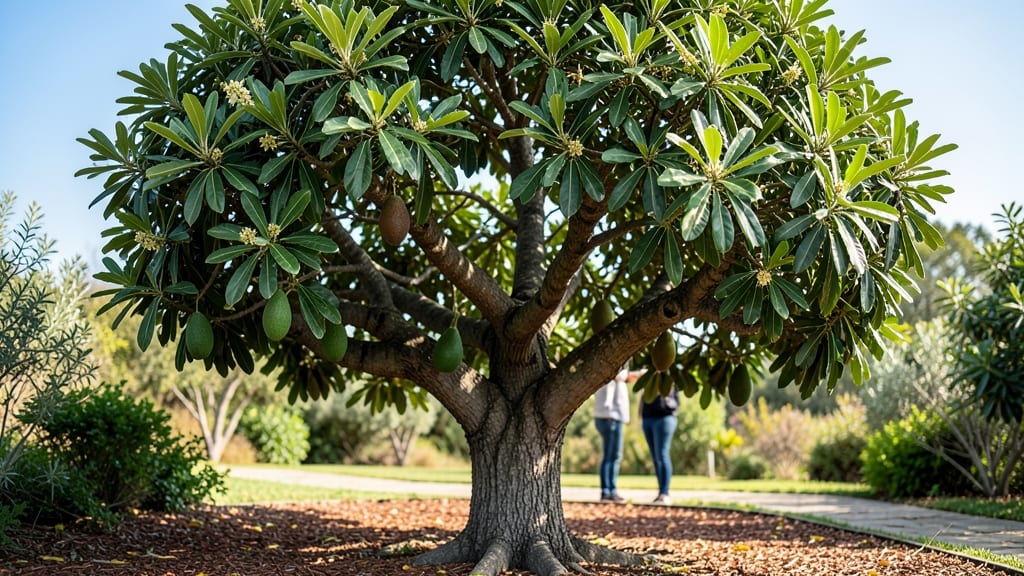
How tall does an avocado tree grow? It can range from 8 feet as a dwarf variety to over 80 feet as a full-grown giant 🥑—but most home growers never realize their trees could end up dominating their backyard.
Dreaming of growing your own avocados but worried about limited space? Avocado trees can reach towering heights—but not all varieties need a backyard the size of a jungle.
Whether you're working with a sunny balcony or a suburban yard, the right variety and care can keep your tree at a manageable height while still delivering delicious fruit.
In tropical climates like USDA Zone 9b, outdoor avocado trees thrive year-round, but even in cooler areas, dwarf varieties can be grown in containers with the right pruning and sunlight. The key is choosing the right rootstock and understanding how to control growth without sacrificing fruit production.
This guide breaks down the height ranges of popular avocado varieties, space-saving techniques, and how to pick the perfect type for your growing situation—so you can enjoy homegrown avocados without sacrificing your yard (or sanity).


Avocado tree height by variety: dwarf vs. standard vs. giant
Avocado trees (Persea americana) are stunning tropical plants that can become architectural giants—some reaching heights of 60+ feet in ideal conditions. But if you're dreaming of growing avocados in a container on your patio or a small urban garden, the right variety can make all the difference.
The key is understanding how rootstock selection and grafting techniques influence mature height, allowing you to choose a tree that fits your space without sacrificing fruit quality.
Below, we break down 12+ popular varieties into three height categories: dwarf (<15 ft), semi-dwarf (15–30 ft), and standard/giant (>30 ft), with practical tips for managing growth.
For visual reference, imagine a two-story house (~25 ft)—most dwarf varieties stay below this mark, while standard types can dwarf a large oak tree (50+ ft). Whether you're working with a sunny balcony or a rural backyard, selecting the right variety is the first step to success.
The table below compares mature heights, container compatibility, and ideal growing conditions to help you plan your avocado-growing space efficiently.
| Variety | Mature Height (Outdoor) | Container-Friendly? | Best For | Key Notes |
|---|---|---|---|---|
| Wurtz | 15–25 ft | ✅ (Prune aggressively) | Small gardens, containers | Dwarf rootstock; needs regular pruning |
| Mexicola | 20–30 ft | ❌ (Too large) | Large yards | Cold-hardy but tall |
| Lamb Hass | 15–25 ft (dwarf graft) | ✅ | Containers, patios | Grafted on Wurtz rootstock |
| Duke | 10–20 ft (rootstock) | ✅ (With grafting) | Cold climates, containers | More cold-resistant than Wurtz |
| Hass (Standard) | 30–50 ft | ❌ | Commercial orchards | Most popular but needs space |
| Fuerte | 40–60 ft | ❌ | Rural properties | Requires strong support |
| Bacon | 25–40 ft | ❌ | Suburban yards | Fast-growing but tall |
| Reed | 30–50 ft | ❌ | Large estates | Heat-tolerant but massive |
| Choquette | 20–30 ft | ⚠️ (Large container) | Patios, large containers | Cold-hardy and productive |