
Pruning
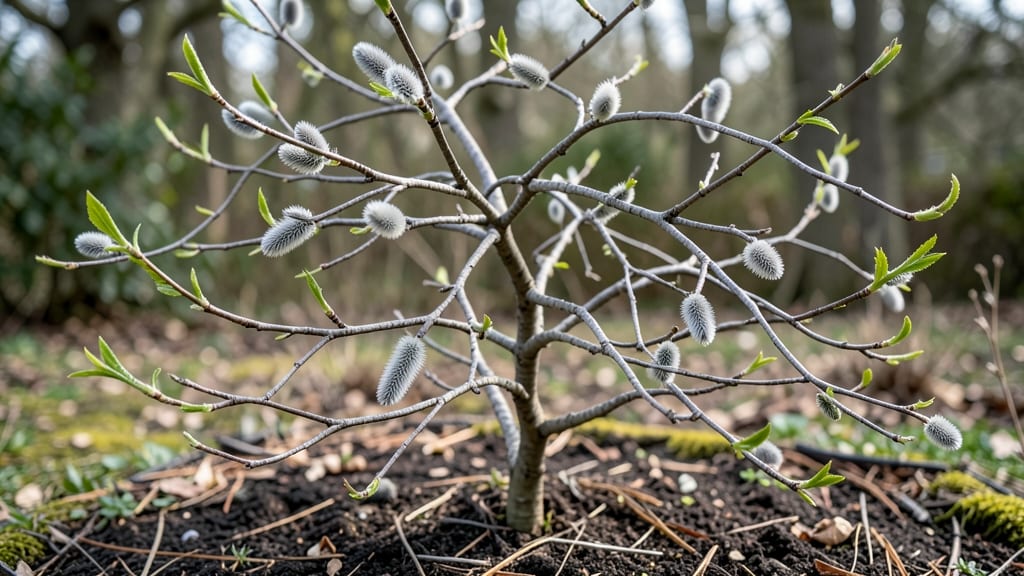
Caring for a pussywillow tree means unlocking those iconic fuzzy catkins every spring—without turning your yard into a tangled mess. 🌿 I learned the hard way that skipping pruning leads to leggy, sparse growth, but a few strategic cuts each season transforms it into a lush, blooming showstopper.
The secret isn’t complicated: it’s about timing, technique, and a little seasonal maintenance that keeps your tree looking effortlessly natural.
This tree thrives in moist, well-draining soil and loves full sun to partial shade, but the real magic happens when you prune at the right times. Late winter is your best shot—before buds swell—to shape the tree and remove dead wood, while summer pruning keeps it bushy by trimming back any overgrown branches.
Most people overlook the year-round aspect, but a quick check every few months prevents those wild, unruly branches from taking over.
By following a simple pruning schedule, you’ll end up with a tree that bursts with vibrant green foliage and those signature fuzzy catkins in early spring—without the chaos. The payoff? A tree that looks healthy, blooms prolifically, and stays manageable year after year.
Plus, you’ll avoid the common pitfalls like pests or diseases that sneak in when the tree gets too crowded or stressed.
Whether you’re dealing with a young sapling or an established tree, the same principles apply. Start small—focus on one season at a time—and soon, your pussywillow will be the envy of the neighborhood. Ready to turn those bare branches into a blooming masterpiece?
📚 In This Guide
- What you need
- Instructions
- Tips and common mistakes
- Wrapping up and next steps
What you need
- ● Pruning shears – Sharp, bypass-style (for clean cuts on small branches). Size: 6-8 inches.
- ● Loppers – Heavy-duty, long-handled (for thicker branches, ½–1 inch in diameter). Size: 20-24 inches.
- ● Pruning saw – Bow or folding saw (for branches over 1 inch thick). Blade: 8–10 teeth per inch.
- ● Gloves – Cut-resistant (gardening or pruning-specific) to protect hands from thorns and splinters.
- ● Disinfectant – 70% isopropyl alcohol or bleach solution (1 part bleach to 9 parts water) to sterilize tools between cuts.
- ○ Pruning sealant – Optional but recommended for larger cuts (½ inch or wider) to prevent disease.
- ● Ladder or step stool – Sturdy and tall enough to reach the tree’s canopy safely.
- ● Heavy-duty trash bags – For collecting pruned branches and debris.
- ● Watering can or hose – To hydrate the tree before and after pruning.
- ● Mulch – Organic mulch (shredded bark or wood chips) to retain moisture and protect roots. Depth: 2–4 inches.
- ● Extension pole pruners – For high branches without a ladder.
- ● Hand saw – For precision cuts on stubborn branches.
- ● Tree wound dressing – Alternative to sealant for larger wounds.
- ● Work boots or sturdy shoes – For safety in uneven terrain.
- ● Safety glasses – To protect eyes from debris.
- ● Notebook & pen – To sketch a pruning plan or track growth.
Step-by-step pruning guide for a thriving pussywillow tree
Here's the method I've used to keep my pussywillow lush and blooming for over a decade—no guesswork involved.
✂️ Step 1: Prune for Shape in Late Winter (Before Bud Swell)
Timing is everything with pussywillows. Start your pruning in late winter, just as buds begin to swell but before any leaves appear. This ensures you remove dead wood while stimulating new growth from the base. I grab my bypass pruners and focus on removing crossing branches first—these rub against each other and create wounds that invite disease.
Next, thin out any branches growing inward toward the center of the tree. You'll know you're doing it right when you can see light filtering through the canopy. Remove no more than 25% of the tree's foliage in one session—this keeps stress low and blooms abundant. Look for branches that are thinner than a pencil and prune them back to a strong outward-facing bud.
✂️ Step 2: Encourage Bushiness During Early Spring Growth
Once your pussywillow breaks dormancy and new shoots appear, it's time to shape the tree for maximum bushiness. I make clean cuts at a 45-degree angle, just above a leaf node where new growth will emerge. This encourages lateral branching, which is where those iconic fuzzy catkins form. Avoid cutting back into old wood—you'll see it's the younger, green stems that produce the most vigorous regrowth.
Watch for water sprouts—those fast-growing, vertical shoots that steal energy from the rest of the tree. Snip them off at the base immediately. You'll also spot dead or diseased branches—these should be removed entirely, cutting back to healthy wood. Sterilize your pruners with rubbing alcohol between cuts to prevent spreading any potential infections.
☀️ Step 3: Light Maintenance During Summer and Fall
Summer is all about minimal intervention. Remove only the most obvious dead branches or those that are clearly diseased. Pussywillows bloom on new wood, so avoid heavy pruning now—you'll sacrifice next year's catkins. Instead, focus on deadheading spent blooms to redirect energy into next season's growth. I use my fingers to pinch off faded catkins rather than cutting, which keeps the tree looking tidy without stressing it.
In early fall, do a final cleanup pass. Remove any branches that have produced blooms for the season—they're done for the year. This is also when I check for sucker growth at the base. These aggressive shoots can overtake the main tree if left unchecked, so I cut them off at ground level. Never fertilize after mid-summer—it encourages tender new growth that won't survive winter.
⏰ Step 4: Winter Pruning for Airflow and Health
Just before winter's harshest months, do a light structural pruning to improve airflow through the tree. Focus on thinning the outer canopy by removing branches that are growing too densely. You'll see where light can't penetrate—these are the spots where moisture lingers and fungal diseases thrive. Cut back any branches that are rubbing against each other or growing in a way that distorts the natural shape.
This is also the time to remove any remaining deadwood—it's not just unsightly, but it can harbor pests over winter. After pruning, apply a 2-inch layer of mulch around the base (but not touching the trunk) to protect roots from freezing temperatures. I use shredded hardwood mulch because it breaks down slowly and improves soil structure over time. Water deeply before the first hard freeze to ensure the tree enters dormancy with full reserves.
Tips & tricks for perfect pussywillow tree care
These insider tricks will help you keep your pussywillow looking its absolute best year-round.
Timing is Everything: Late winter pruning is non-negotiable—those swelling buds are your cue to act. I've seen too many trees miss this window and end up with stunted growth. Focus on the 25% foliage rule during this first cut; exceeding that can shock the tree. Pro tip: Mark your calendar for when buds first appear—this varies by climate but usually falls in February or March.
Cutting Technique Matters: That 45-degree angle in Step 2 isn't arbitrary—it directs water away from the cut, preventing rot. Always cut just above a leaf node where new growth emerges. I use my thumb to feel for the bud before making the cut; this ensures you're encouraging bushiness rather than creating stubs. For thicker branches, make the cut at the branch collar where it meets the trunk.
Seasonal Maintenance Secrets: Summer's minimal intervention is where most people go wrong. I've learned the hard way that removing spent blooms by pinching (not cutting) prevents stress while keeping the tree tidy. In fall, don't overlook those sneaky sucker growths—they'll steal nutrients from your main tree if left unchecked. Think of this as your tree's annual "tune-up" rather than a major operation.
Winter Preparation: The 2-inch mulch layer is your tree's winter blanket. I always add a ring of mulch extending 2 feet from the trunk, but never touching it—that's how you prevent trunk rot. For extra protection in harsh climates, consider wrapping the trunk with burlap after your winter pruning. This creates a microclimate that shields against freezing winds.
Pro Tips for Pussywillow Tree Care
- These insider tricks will help you keep your pussywillow looking its absolute best year-round.
- Timing is Everything: Late winter pruning is non-negotiable—those swelling buds are your cue to act.
- Cutting Technique Matters: That 45-degree angle in Step 2 isn't arbitrary—it directs water away from the cut, preventing rot.
Frequently asked questions
Got questions about keeping your pussywillow tree thriving? Here are answers to the most common ones—so you can prune with confidence and enjoy those fuzzy catkins year after year!
When is the best time to prune a pussywillow tree?
The ideal time is late winter or early spring (before buds swell) or right after flowering (late spring). Avoid heavy pruning in fall—it can stimulate tender new growth that won’t survive frost. For shaping, light trims can happen anytime, but major cuts should wait for dormant seasons.
How much can I trim without harming the tree?
You can safely remove up to one-third of the tree’s canopy in a single season, but avoid over-pruning. Focus on dead, diseased, or crossing branches first. For young trees, limit cuts to 10-15% to encourage strong growth. Always use sharp tools to make clean cuts just outside branch collars.
Will pruning affect next year’s fuzzy catkins?
Pruning after the catkins appear (late spring) won’t hurt next year’s blooms—these trees flower on old wood. However, if you prune too aggressively in late winter, you might reduce the number of blooms. Aim to shape rather than shear to preserve flowering branches. Patience pays off!
What should I do if my pussywillow has pests or diseases?
Common issues include aphids, scale insects, or fungal leaf spots. For pests, spray with neem oil or insecticidal soap. Remove heavily infected leaves or branches immediately. If you see powdery mildew, improve air circulation by thinning dense areas and avoid overhead watering. Prune out dead wood to prevent spread.
Can I grow a pussywillow in a container? How does care differ?
Yes! Use a large container (at least 20 gallons) with drainage holes and well-draining soil. Prune more frequently to control size, and fertilize lightly in spring. Water consistently—containers dry out faster—and move pots to a sheltered spot in winter if temperatures drop below 10°F (-12°C). Dwarf varieties like Salix caprea ‘Pendula’ are great for small spaces!
Wrapping up and next steps
Caring for your pussywillow tree is a rewarding journey that yields stunning, fluffy blooms year after year! 🌸 With the right tools, timing, and techniques—like pruning in early spring and removing dead wood—you’ll keep your tree thriving and full of life.
Remember, patience and consistency are key to encouraging that bushy, vibrant growth you love.
Now that you’re armed with expert tips, why not take action? Grab your pruners, step outside, and give your pussywillow the TLC it deserves. Happy pruning—and enjoy those dreamy blooms! 🌿