
Flowers
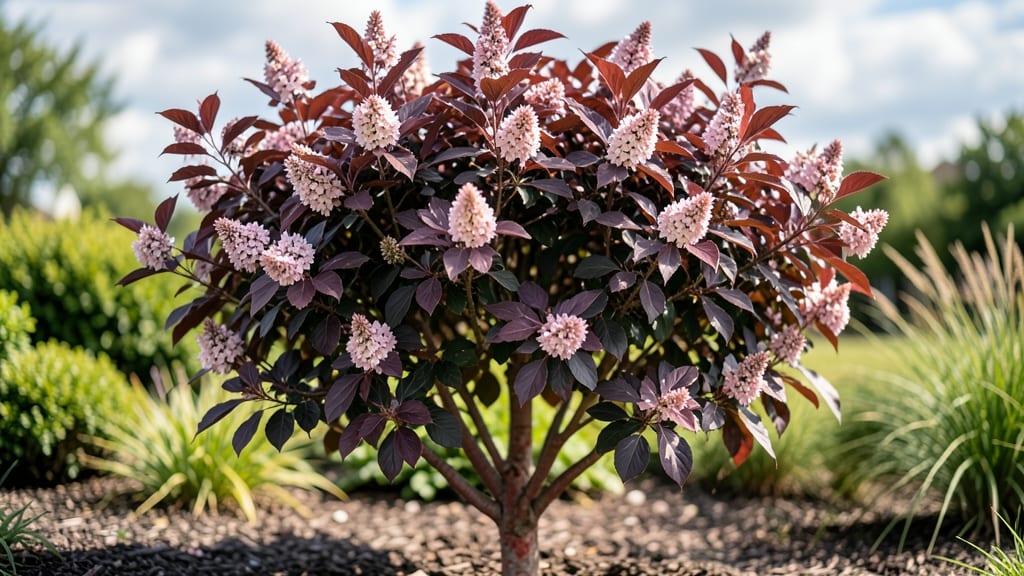
Those purple leaf plum tree flowers turn your yard into a springtime masterpiece—soft pink blooms against deep burgundy foliage that lasts all season. 🌸 I planted mine last fall, and by March, the branches were heavy with blossoms that attracted bees before I even finished breakfast.
The secret isn't just the planting—it's the pruning schedule and winter care that keeps them flowering reliably year after year.
Start with full sun and well-draining soil—this tree won't tolerate soggy roots. After planting, feed with a balanced fertilizer in early spring, then prune right after flowering to shape the tree and encourage next year's blooms.
The purple leaves stay vibrant even when flowers fade, giving you year-round color with almost no effort. My neighbors ask every spring how I keep mine so lush—now I'll share the tricks.
By summer, you'll have a tree that doubles as a pollinator magnet and a conversation starter. The flowers may only last a few weeks, but the foliage keeps the drama going through fall's golden hues.
Even in winter, the bare branches have a striking silhouette against snow. The best part? This tree thrives in urban spaces, making it perfect for small yards or container growing.
We'll cover everything from choosing the right variety to troubleshooting leaf spots and poor flowering. Whether you're planting bare-root in fall or a container-grown specimen in spring, these tips will give you the show-stopping plum tree you've been dreaming of. Let's get those roots in the ground!
📚 In This Guide
- What you need
- Instructions
- Tips and common mistakes
- Wrapping up and next steps
What you need
- ● Purple Leaf Plum Tree: A healthy 1-3 gallon container-grown sapling (check local nurseries for Prunus cerasifera varieties like 'New Dawn' or 'Thundercloud').
- ● Well-draining soil: 1 cubic yard of a mix of native soil, compost (50%), and perlite/sand (20%) for optimal drainage.
- ● Fertilizer: Slow-release granular fertilizer (10-10-10 ratio) or organic options like composted manure (1 lb per tree).
- ● Mulch: 2-3 inches of wood chips or shredded bark (keep 6 inches away from the trunk).
- ● Watering can or hose with a gentle spray nozzle: For deep watering (1-2 gallons per week, depending on climate).
- ● Garden gloves & pruning shears: Sterilized shears (sharp, bypass-style) for trimming dead branches.
- ○ Staking supplies (optional but helpful for young trees): 2-3 wooden stakes and soft tree ties.
- ● Sunlight access: A spot with full sun (6+ hours daily) or partial shade (for hotter climates).
- ● pH test kit: To ensure soil pH is between 6.0-7.0 (purple leaf plums thrive in slightly acidic to neutral soil).
- ● Trowel & shovel: For digging the planting hole (2-3 times wider than the root ball).
- ○ Pruning sealant (optional): For sealing large cuts after trimming (helps prevent disease).
- ● Weather awareness: Best planting time is early spring or fall (avoid extreme heat or frost).
How to encourage stunning purple leaf plum tree flowers
Here's how to coax breathtaking blooms from your purple leaf plum—no fancy secrets, just smart care.
🌱 Step 1: Plant in Full Sun and Well-Draining Soil
Purple leaf plums thrive in 6+ hours of direct sun daily, so choose a south- or west-facing spot. I always test drainage first by digging a hole, filling it with water, and waiting—if it drains within 30 minutes, it's perfect. Amend heavy clay soil with 3-4 inches of compost to improve aeration and fertility.
These trees hate soggy roots, so avoid low spots where water pools. The purple foliage fades to greenish when stressed, so give it the best location right from planting. I plant mine in early spring when soil warms to 50°F—roots establish faster before summer heat arrives.
☀️ Step 2: Prune Strategically for Better Blooms
Prune your purple leaf plum in late winter or early spring before buds swell. Remove any dead, crossing, or inward-growing branches first—these compete for energy that should go to flowers. I always make cuts just outside the branch collar (that swollen area where the branch meets the trunk) to prevent damage.
Thin out crowded branches to improve airflow, which reduces disease risk. Aim for an open vase shape that lets sunlight reach inner branches. Never prune more than 25% of the tree's canopy in one season—this keeps the tree strong enough to produce abundant flowers the next spring.
💧 Step 3: Water Deeply but Infrequently
Water newly planted purple leaf plums 2-3 times per week for the first year until roots establish. After that, water deeply once a week during dry spells—check by sticking your finger 2 inches into the soil. If it feels dry, water; if damp, wait. Overwatering causes root rot, which kills the tree slowly.
Mulch around the base with 2-3 inches of organic mulch (like wood chips) to retain moisture and regulate soil temperature. Keep mulch 6 inches away from the trunk to prevent rot. Established trees need little supplemental water—let nature handle it unless you're in extreme drought conditions.
✂️ Step 4: Fertilize for Vibrant Color and Blooms
Feed your tree in early spring with a 10-10-10 balanced fertilizer spread evenly over the root zone. I use about ¼ pound per inch of trunk diameter—for a 2-inch trunk, that's ½ pound. Water thoroughly after applying to help nutrients reach the roots. Avoid high-nitrogen fertilizers, which promote leafy growth at the expense of flowers.
In late summer, switch to a low-nitrogen, high-phosphorus fertilizer (like 5-10-10) to encourage next year's blooms. Never fertilize in fall or winter—this can stimulate tender new growth that won't survive cold temperatures. Always follow package instructions for application rates.
🌿 Step 5: Protect Against Pests and Diseases
Watch for common pests like aphids and scale insects, which suck plant juices and weaken the tree. I spray with neem oil at the first sign of trouble—it's organic, safe, and effective. For fungal diseases like powdery mildew, remove infected leaves immediately and apply a copper fungicide preventatively in spring.
Thin, weak growth is often a sign of overcrowding or poor air circulation. Prune to improve airflow and space branches 12-18 inches apart to reduce humidity where fungi thrive. Healthy trees with good airflow rarely develop serious problems. If you see black spots on leaves, that's likely anthracnose—remove affected leaves and improve sanitation around the tree.
Tips & tricks for stunning purple leaf plum blooms
Real talk: These small adjustments make all the difference between decent foliage and show-stopping floral displays.
Sunlight Strategy: If your yard doesn't get full sun, consider planting near a south-facing wall or fence that reflects sunlight back to the tree. I've seen purple leaf plums thrive in 5-6 hours of direct sun when positioned against reflective surfaces, though 6+ hours is still ideal. Watch for leaves that lose their vibrant purple hue—they're telling you they need more light.
Pruning Precision: When you're thinning branches in Step 2, look for branches that are growing inward or rubbing against others. These aren't just competing for space—they're creating wounds that invite disease. Make your cuts at a 45-degree angle just outside the branch collar, and seal larger cuts with pruning sealant to prevent moisture loss. I always sterilize my pruners between cuts with rubbing alcohol to avoid spreading pathogens.
Fertilizer Timing: The early spring feeding with 10-10-10 is non-negotiable for blooms, but here's what nobody tells you: Split that ½ pound application into two feedings—once when buds start to swell and again after they've opened. This two-step approach prevents nutrient burn while ensuring consistent bloom production. For established trees, you can reduce the late summer phosphorus boost to just ¼ pound unless you notice poor bloom sets the previous year.
Watering Wisdom: That 2-inch soil check in Step 3 is your best friend, but here's the trick: Do it in the morning. Evening checks can give you false readings because soil stays cooler and damper overnight. Also, if you're using drip irrigation, place emitters 12-18 inches from the trunk—too close and you'll encourage shallow root growth that struggles during dry spells. Deep watering means watering until you see moisture 6-8 inches deep, not just the top 2 inches.
Pro Tips for Purple Leaf Plum Tree Flowers
- Real talk: These small adjustments make all the difference between decent foliage and show-stopping floral displays.
- Sunlight Strategy: If your yard doesn't get full sun, consider planting near a south-facing wall or fence that reflects sunlight back to the tree.
- Pruning Precision: When you're thinning branches in Step 2, look for branches that are growing inward or rubbing against others.
Frequently asked questions
Got questions about those stunning purple leaf plum tree flowers? You’re not alone! Here are some of the most common queries—and their answers—to help you make the most of your blossoming beauty.
When do purple leaf plum tree flowers bloom?
These showstoppers typically bloom in early spring (March–April in most U.S. zones), but their vibrant purple foliage stays eye-catching year-round. For extended blooms, choose varieties like ‘Okame’ or ‘Fashionably Early’, which may rebloom lightly in fall.
How do I care for purple leaf plum tree flowers after they bloom?
Once the flowers fade, prune lightly to shape the tree and remove dead branches. Focus on late winter pruning to avoid disturbing spring blooms. Fertilize in early spring with a balanced 10-10-10 formula to support healthy growth and next year’s flowers. Pro tip: Mulch around the base to retain moisture!
Why aren’t my purple leaf plum flowers coming back?
Several factors could be at play: over-pruning (cutting back too aggressively), poor drainage (root rot risk!), or lack of sunlight (they need full sun). Check for pests like aphids or scale and treat with neem oil if needed. If the tree is young, patience is key—it may take 2–3 years to establish.
Can I grow purple leaf plum trees in containers?
Smaller varieties like ‘Newport’ or ‘Methley’s Red’ thrive in 15-gallon containers with well-draining soil. Use a fast-draining potting mix and repot every 2–3 years. Place in full sun and water deeply when the top inch of soil dries out. Warning: Containers dry out faster—monitor closely in summer!
Are there alternatives to purple leaf plum trees for year-round color?
If you love the drama but want options, consider:
- Japanese maple (‘Bloodgood’): Deep red foliage + fall color.
- Smoke tree (Cotinus): Fuzzy pink plumes + purple leaves.
- Dwarf lilac (‘Munstead’): Fragrant blooms + compact size.
Wrapping up and next steps
The purple leaf plum tree isn’t just a seasonal star—it’s a year-round showstopper with its vibrant foliage and stunning pink and white blossoms that bring joy to any garden.
Whether you’re drawn to its easy care, ornamental value, or wildlife-friendly appeal, this tree is a dream for both beginners and seasoned gardeners alike.
Ready to add some blossom magic to your outdoor space? Start by picking the perfect spot and gathering your supplies—your future garden will thank you! 🌸✨