
Pruning
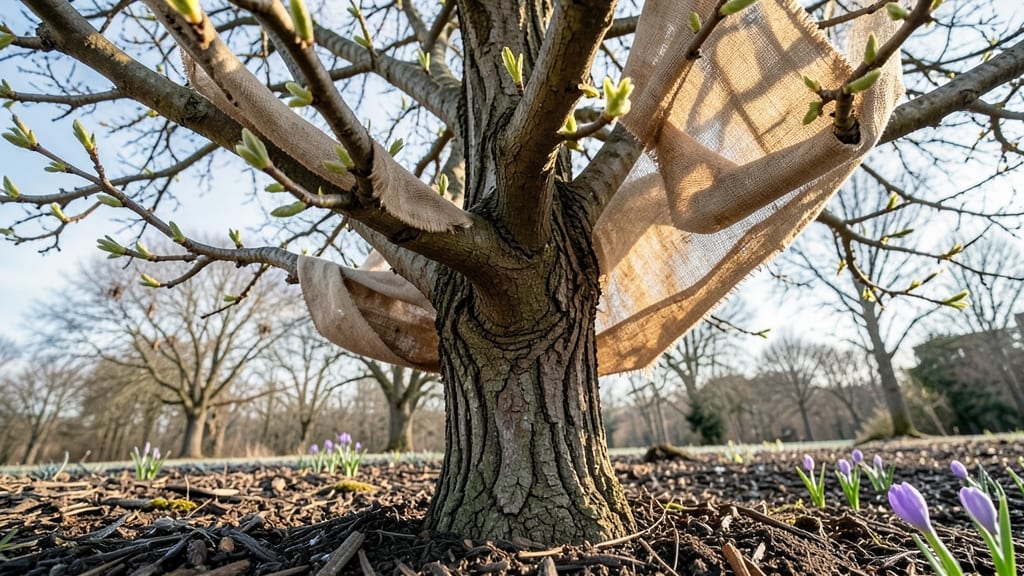
Cold winters can devastate fig trees, but with the right preparation, these tropical plants can thrive year after year. Discover 10 essential steps to protect your fig tree from frost, ensuring it returns stronger and more productive in spring.
Choosing the Right Fig Variety for Cold Climates
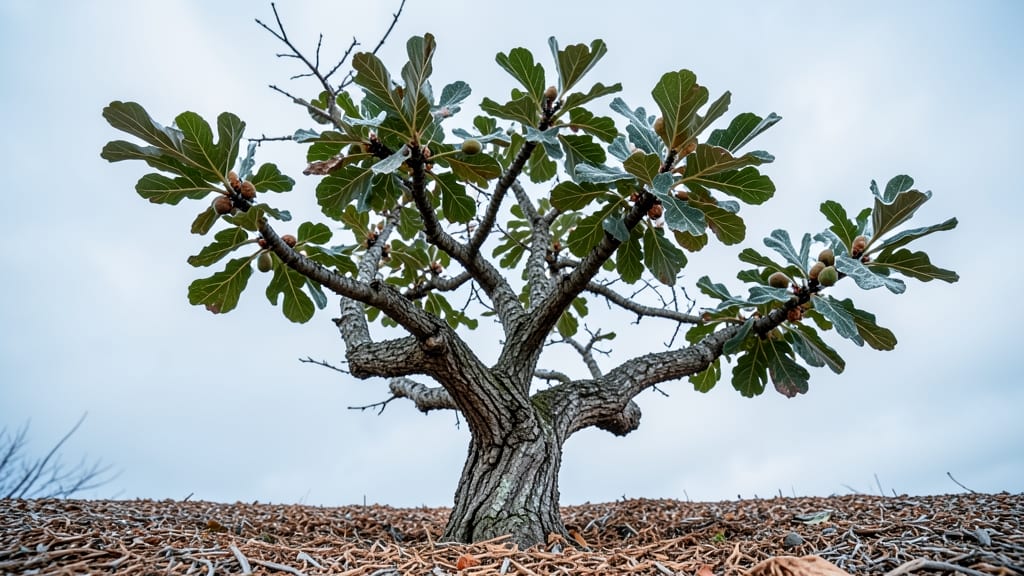
If you live in USDA Zones 5-7 and dream of growing figs, don’t let the cold climate deter you—some varieties are tougher than you think. The 'Chicago Hardy' and 'Celeste' figs are bred to survive down to 10°F (-12°C) with minimal winter care, making them perfect for northern gardeners who want sweet, homegrown figs without the fuss.
These cold-hardy figs produce abundant fruit even in short growing seasons, and their thick stems resist splitting in freeze-thaw cycles. For best results, plant them in well-draining soil with full sun exposure, and mulch heavily in late fall to insulate roots. While they’re resilient, a light frost cloth can still help young trees in their first winter.
Northern gardeners and urban growers with limited space will especially appreciate these varieties—they’re compact enough for containers yet hardy enough to thrive outdoors. With the right choice, you’ll enjoy fresh figs year after year, no matter how harsh your winter gets. 🌟
Timing Your Winter Preparation Before First Frost
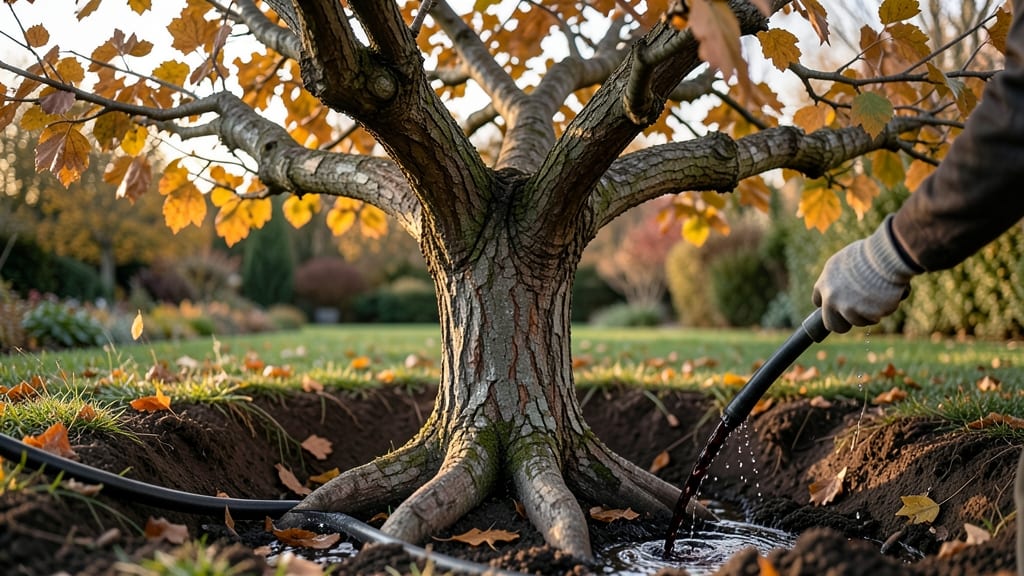
Fig trees may love warmth, but their survival in winter depends on timing—not just action. Starting your winter prep 4-6 weeks before the first frost lets the tree gradually adjust, hardening its roots and branches so they’re resilient when cold arrives.
This window is perfect for deep watering (to hydrate roots before dormancy), pruning weak growth (to reduce stress), and applying anti-desiccants (to lock in moisture). Avoid last-minute changes—rushing can shock the tree, making it vulnerable to frost damage. Use a local frost date calendar as your guide, and note that container figs need earlier prep since their roots cool faster.
Gardeners in USDA Zones 7-9 with unpredictable frosts benefit most from this early approach, as it buys time for the tree to toughen up. Don’t wait until leaves yellow—act now for a stronger spring comeback. 💪
Protecting Fig Tree Roots with Mulch and Insulation
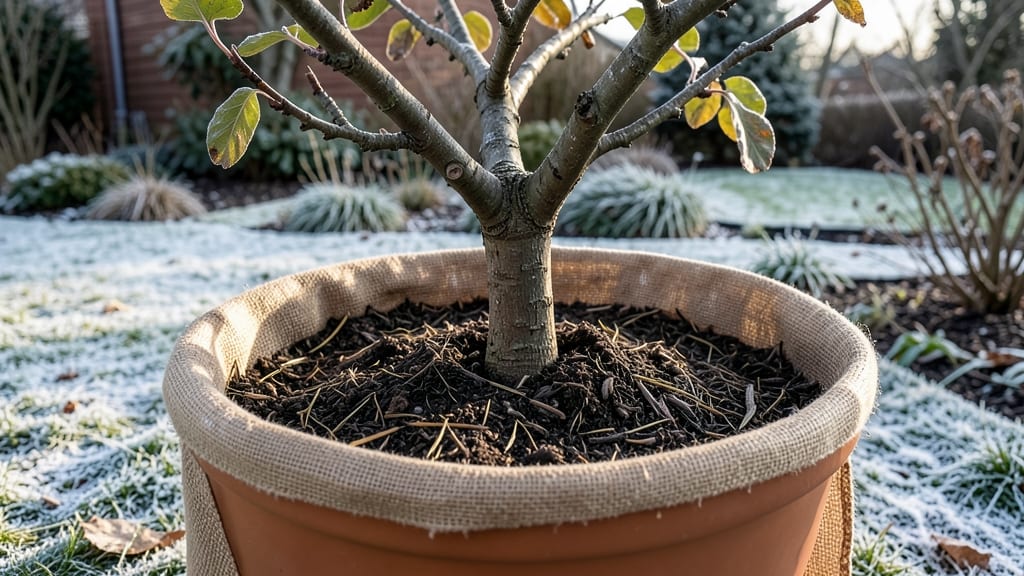
Container-grown figs face a unique challenge: their roots freeze faster than in-ground trees, but a simple mulch-and-insulation combo can make all the difference. The key is creating a 6-inch insulating blanket around the root zone to lock in warmth while blocking harsh winds that accelerate cold damage.
Start by applying straw or pine needles (avoid wood chips, which decompose too quickly) around the base, piling it higher on the north or windward side. For extra protection, wrap the container in burlap or bubble wrap and secure it with twine. This method keeps roots 10-15°F warmer than exposed soil, which is critical for container figs that can’t draw heat from surrounding earth.
Urban gardeners and balcony growers will love this low-cost solution—it’s especially effective for potted figs in Zone 5 or colder, where roots are most vulnerable. With this layer of defense, your fig’s roots stay cozy while the rest of the garden freezes over. 🌿
Pruning for Winter Hardiness and Airflow
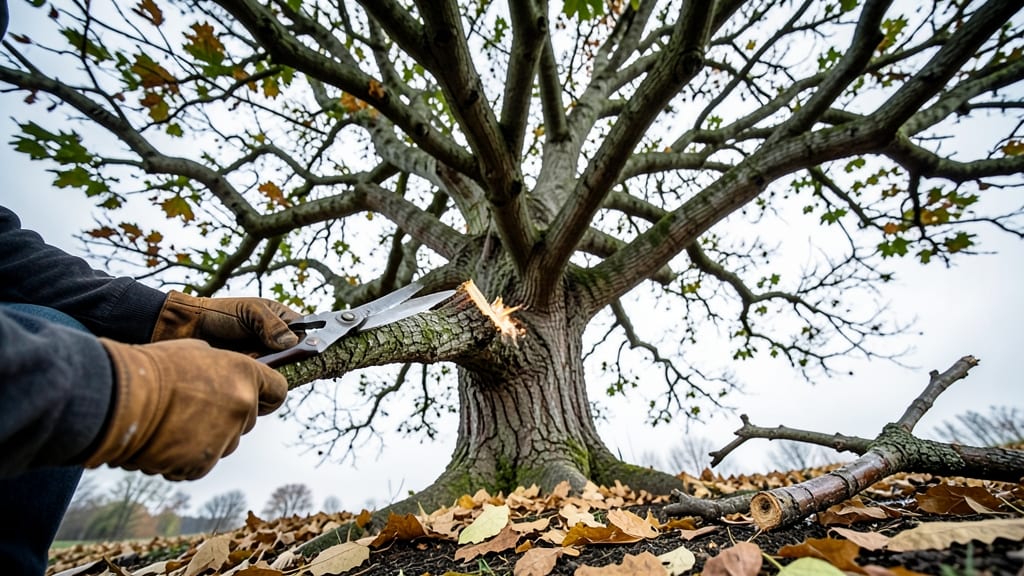
Late fall is the perfect time to give your fig tree a health boost by pruning for winter hardiness. Removing dead, diseased, or weak branches now isn’t just about tidying up—it’s about improving airflow to prevent moisture buildup that leads to rot during dormancy.
Focus on cutting back branches that cross or rub, as well as any with signs of disease or damage. Use clean, sharp pruners to make 45-degree cuts just above a bud or lateral branch. This encourages new growth in spring while reducing the tree’s overall stress. For container-grown figs, prune lightly to avoid overstressing the plant.
This step is especially valuable for gardeners in colder climates where moisture lingers longer. By improving airflow, you’re giving your fig tree the best chance to survive winter and thrive next season. 🌱
Using Frost Cloths and Row Covers for Light Protection
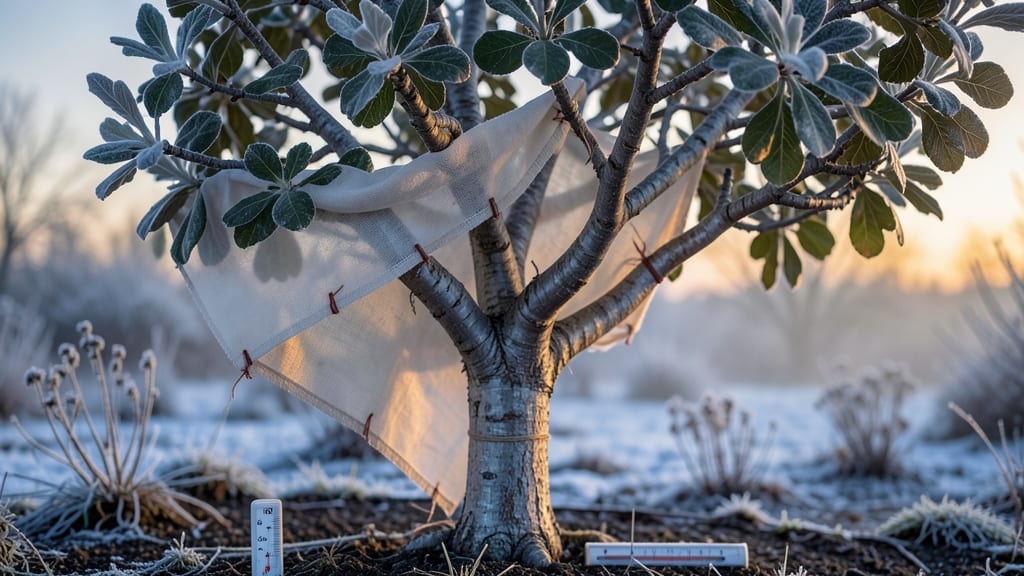
When light freezes (20-28°F/-6 to -2°C) threaten your fig tree, frost cloths act like a cozy blanket—trapping warmth without smothering growth. Unlike heavy plastic, these breathable fabrics allow air circulation while raising temperatures by 5-10°F, protecting tender leaves and stems.
Secure the cloth loosely around the tree with stakes or clips, leaving room for airflow at the base. For young figs or container plants, wrap the entire plant, including the pot, to shield roots too. Remove covers during the day if temperatures rise above freezing to prevent overheating. This method is ideal for gardeners in USDA Zones 7-9 with unpredictable winter dips.
Perfect for urban gardeners with limited space or those nurturing young figs, frost cloths offer a low-cost, reusable solution that saves trees without the hassle of heavy insulation. 🌟
Creating a Mini Greenhouse for Container Figs
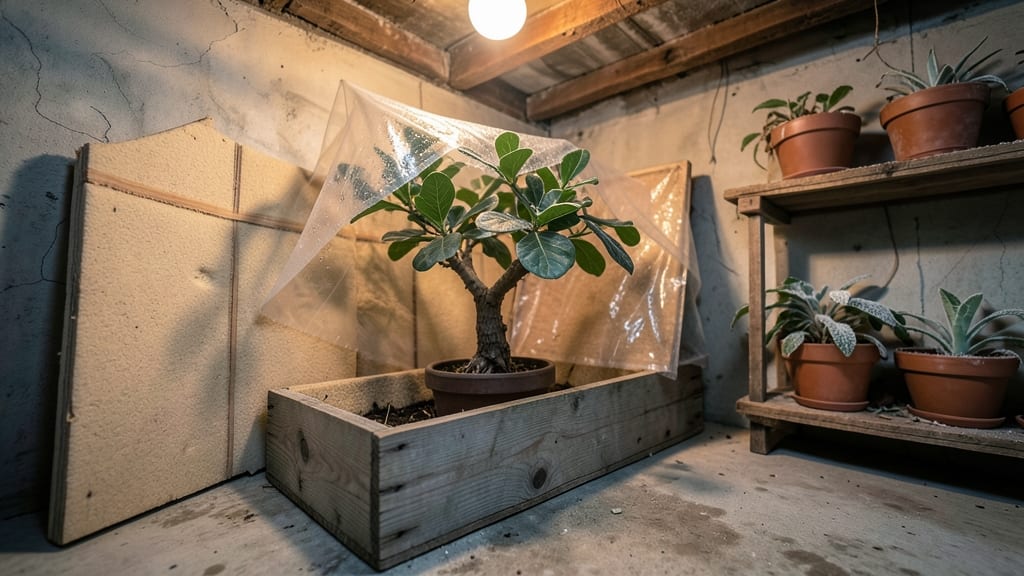
If your container fig trees struggle to survive winter in cold climates, a mini greenhouse can be a game-changer. Instead of risking frost damage, relocate your potted figs to an unheated garage, shed, or insulated box—this simple move can extend their growing season by 2-3 months while keeping them safe from extreme cold.
Start by placing your container in a bright, sheltered spot where temperatures stay above 20°F (-6°C). Use clear plastic sheeting or a small hoop house to create a microclimate that traps warmth without overheating. Add a thermometer to monitor conditions, and ensure good airflow by leaving small gaps for ventilation. This method works especially well for container-grown figs in USDA Zones 6-8 where winters are unpredictable.
Urban gardeners and those with limited outdoor space will love this low-cost solution—it’s easier than moving figs indoors and still keeps them growing longer. With minimal effort, you’ll enjoy fresh figs well into late fall or even early spring! 🌱
Applying Anti-Desiccant Sprays to Prevent Moisture Loss
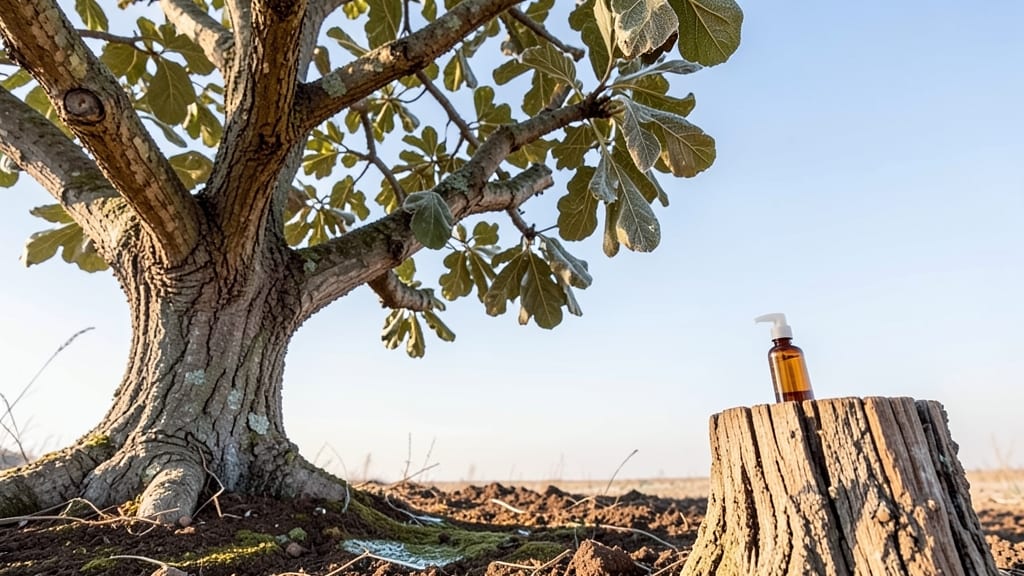
If your fig tree looks parched even when the soil is moist, a wax-based anti-desiccant spray could be your game-changer—especially in low-humidity zones where winter winds sap moisture from leaves. This lightweight spray forms a protective barrier that slows evaporation, helping figs retain vitality during dormancy.
Apply the spray in late fall, after pruning but before temperatures drop below freezing. Focus on leaves, stems, and any exposed branches, ensuring even coverage. Reapply every 4-6 weeks if dry spells persist, and avoid spraying when frost is forecasted. For best results, choose products with natural waxes like beeswax or plant-based polymers, which break down harmlessly in spring.
This method is ideal for gardeners in arid climates or those with container-grown figs, where moisture loss is most critical. A little extra effort now means fewer browned leaves and a stronger tree come spring. 🌿
Watering Strategies Before and During Dormancy
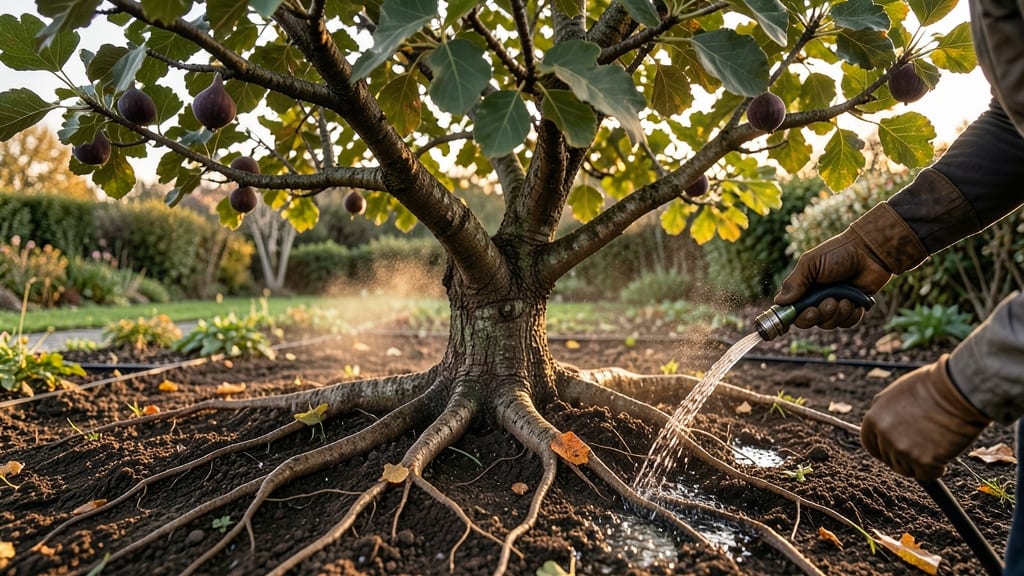
Fig trees need a careful watering balance as winter approaches—too much or too little can spell disaster for their roots. Deep watering in late fall (4-6 weeks before frost) replenishes soil moisture, giving roots a reserve to draw from during dormancy. This is especially critical in well-draining soil, where moisture evaporates quickly.
Once the ground freezes, watering should pause completely to avoid soggy soil and root rot—a silent killer for figs. Instead, rely on the 6-inch mulch layer (from earlier steps) to insulate roots naturally. If you’re in a mild winter zone (like Zone 8-9), light watering every 3-4 weeks may be needed, but always check soil moisture first by probing with a finger—dryness at 2-3 inches deep signals it’s time to hydrate.
This strategy is a game-changer for gardeners in transition zones (Zones 7-9) where winters fluctuate between freeze and thaw. By aligning watering with the tree’s natural dormancy cycle, you’ll help it conserve energy for spring’s vigorous growth. 🌱
Monitoring Soil Temperature with Thermometers
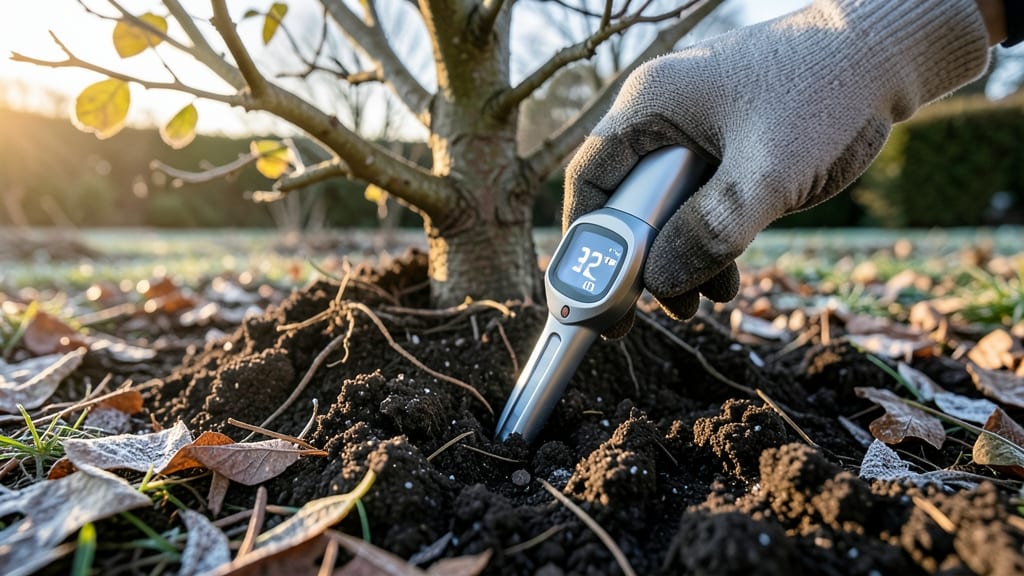
A soil thermometer isn’t just a tool—it’s your early warning system for fig tree survival. While leaves may look healthy, fig roots can suffer irreversible damage when soil temperatures drop below 32°F (0°C), making this simple device a winter game-changer.
Insert the thermometer 2-3 inches deep near your fig’s root zone (or in the container’s soil for potted trees) to monitor temperatures daily. Once readings dip below 32°F, take immediate action: wrap roots in burlap or frost cloths, add extra mulch, or move container figs to a sheltered spot. For container growers, this is especially critical since potted roots freeze faster than in-ground plants.
This proactive step is a must for gardeners in USDA Zones 5-7 where winter temperatures fluctuate unpredictably. With a thermometer in hand, you’ll catch potential damage before it happens—giving your fig tree the best chance to bounce back strong in spring. 💡
Spring Revival Techniques After Winter Protection

As spring peeks around the corner, your fig tree is waking from dormancy—but rushing to remove winter wraps can shock its system. Instead, gradually uncover branches over 2-3 weeks in early spring, starting with the south side to let sunlight stimulate growth without stress.
Once the tree is fully exposed, fertilize with compost (not synthetic fertilizer) to replenish nutrients lost during winter. Work a 2-inch layer into the topsoil around the base, focusing on the root zone where new growth begins. This organic boost jumpstarts regrowth while improving soil structure for the season ahead.
Gardeners in USDA Zones 6-8 with protected figs will see the fastest results—compost’s slow-release nutrients align perfectly with spring’s active growth cycle. With this gentle transition, your fig will rebound stronger, ready for another fruitful year. 🌱