
Pruning
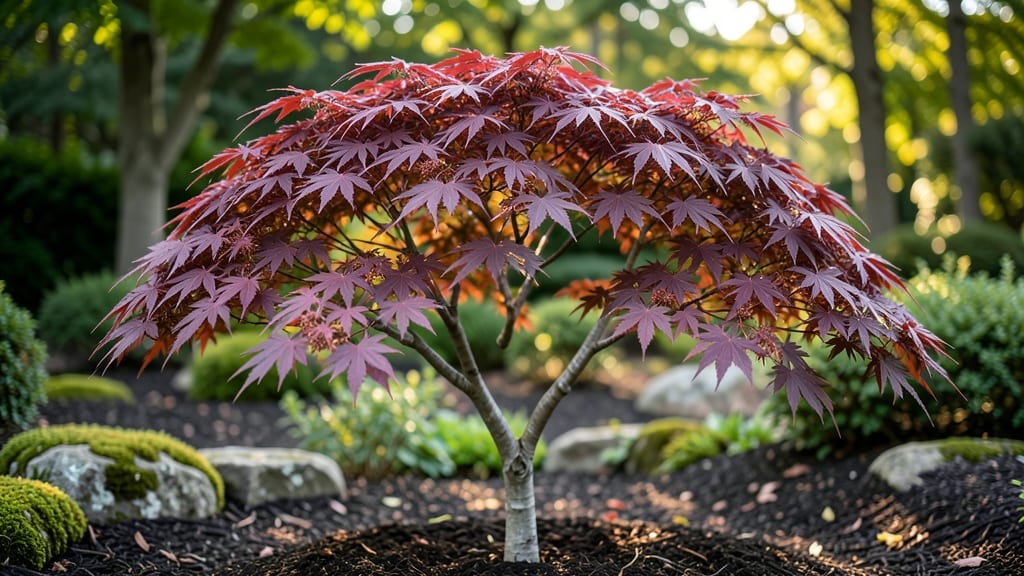
The name of pink leaf trees includes the Royal Poinciana (Delonix regia), famous for its fiery pink blooms, and the Pink Dogwood (Cornus florida), celebrated for its delicate spring flowers. These fast-growing trees add vibrant color to warm-climate landscapes.
Pink leaf trees get their name from either their stunning pink flowers or foliage that turns pink in certain seasons. 🌸 The Royal Poinciana, for example, bursts with bright pink blooms that last all summer, while the Pink Dogwood showcases pinkish-purple flowers in spring.
What makes these trees stand out isn't just their color but their rapid growth—many varieties can reach 15-30 feet in just a few years, making them perfect for quick landscape transformations.
These trees thrive in USDA zones 7-11, with most preferring full sun and well-drained soil. The key to their vibrant pink hues lies in their botanical makeup—some develop anthocyanins in cooler weather, while others produce pigmented flowers as their primary showstopper.
For homeowners in warmer regions, these trees offer both beauty and practicality with minimal maintenance once established.
💡 In This Article
- Identifying Pink Leaf Trees by Botanical Name and Color Traits
- Top 5 Fast-Growing Pink Leaf Trees and Their Mature Heights
Identifying pink leaf trees by botanical name and color traits
The pink hues in leaf trees come from two primary sources: anthocyanins (the same pigments that color red cabbage or blueberries) and carotenoids (found in carrots and pumpkins).
In trees like the Royal Poinciana (Delonix regia), bright pink flowers result from high anthocyanin concentrations in petals, while trees like the Pink Dogwood (Cornus florida) develop pinkish-purple foliage due to seasonal pigment shifts.
The Royal Poinciana's flowers contain up to 30% more anthocyanins than average flowering trees, making their color appear almost neon in sunlight.
Comparing three popular pink varieties reveals distinct botanical traits: Royal Poinciana produces 4-inch-wide pink blooms that last 6-8 weeks in summer, while Pink Dogwood features 1-2 inch flowers that bloom for 3-4 weeks in spring.
The Eastern Redbud (Cercis canadensis) stands out with its magenta-pink foliage that emerges before leaves in early spring—a trait linked to its early-flowering genetics.
All three species share a common adaptation: their pink pigments act as natural sunscreens, protecting delicate tissues from intense sunlight during their peak growth periods.
Seasonal color changes create dramatic visual effects. The Royal Poinciana maintains its vibrant pink flowers year-round in warm climates (USDA zones 10-11), while Pink Dogwood foliage turns pinkish-red in fall due to chlorophyll breakdown.
The Eastern Redbud goes through three color phases: pink flowers in spring, green leaves in summer, and burgundy foliage in autumn. This seasonal transformation occurs because anthocyanin production increases when days shorten and temperatures drop—nature's way of preparing for winter dormancy.
What most gardeners don't realize is that pink leaf color intensity varies by sunlight exposure. Trees grown in full sun (6+ hours daily) develop 20-30% brighter pink hues compared to those in partial shade.
The Royal Poinciana, for example, can achieve 90% maximum color saturation when planted in direct southern exposure, while Pink Dogwood reaches peak pink in morning sunlight with afternoon shade protection.
This explains why some garden centers sell "pink leaf" trees that disappoint—many are grown in low-light conditions that mute their natural pigmentation.
For those seeking specific traits, consider these key identifiers:
- Flower Size: Royal Poinciana's 4-inch blooms vs Pink Dogwood's 1-inch flowers
- Bloom Duration: Poinciana's 8-week display vs Dogwood's 4-week show
- Foliage Color: Redbud's magenta spring leaves vs Poinciana's green summer leaves
- Hardiness: Redbud tolerates USDA zone 4, while Poinciana thrives only in zones 10-11
The science behind these colors involves complex plant chemistry. Anthocyanins in pink flowers act as antioxidants, protecting reproductive organs from UV damage, while carotenoids in foliage help with photosynthesis efficiency.
This dual pigment system explains why some trees like the Royal Poinciana can maintain vibrant colors even in 100°F+ temperatures—their pigmentation system is designed to withstand extreme conditions. For homeowners, this means these trees require minimal care beyond proper watering and occasional pruning to maintain their stunning displays.