
How To
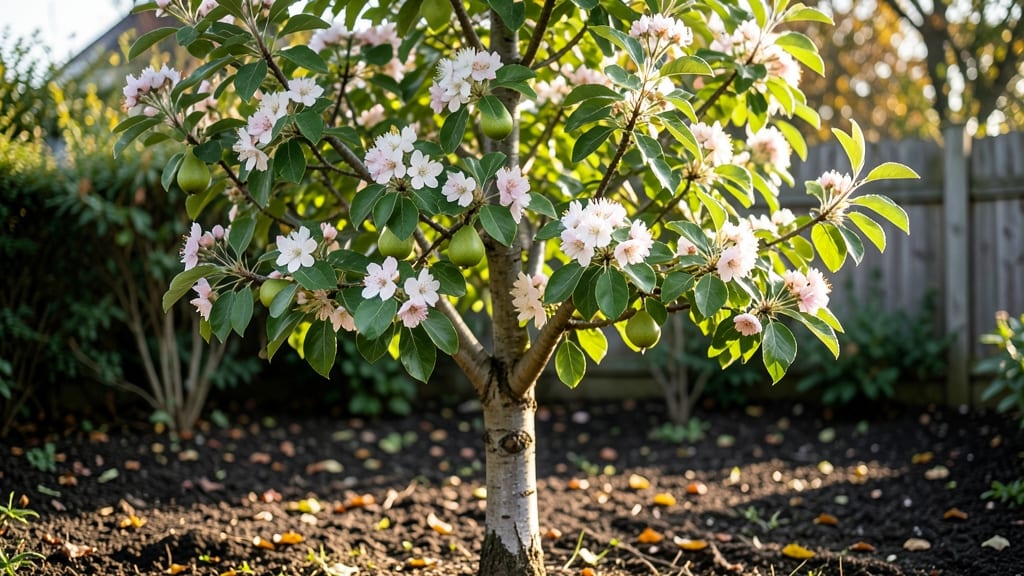
Turning pear tree blossoms into fruit is all about understanding the hidden triggers that make pollination—and fruit set—happen reliably.
Watch your 🍐 tree transform from stunning spring blossoms to a bountiful harvest—but only if you know the critical steps that turn flowers into fruit. Many gardeners miss these details, leaving their trees barren despite beautiful blooms.
This guide breaks down the science of pear tree pollination, from cross-pollination needs to weather conditions that make or break fruit set. You’ll learn how to boost your harvest with simple techniques, avoid common mistakes, and troubleshoot issues before they derail your crop.
Whether you’re dealing with self-fruitful varieties or need to attract pollinators, these insights will help you double your yield—no guesswork required.
The science behind pear tree pollination: how flowers become fruit
Every spring, your pear tree bursts into stunning blossoms, but those delicate flowers won’t turn into fruit without the right pollination process. Unlike some fruit trees, pears often require cross-pollination between different varieties to set fruit successfully.
Understanding this science helps you maximize your harvest by creating the perfect conditions for pollinators and environmental factors.
Pear tree flowers contain both male and female reproductive parts, but many varieties need pollen from a different tree to trigger fruit development. Even self-fruitful varieties (like 'Bartlett' or 'Anjou') often produce more fruit with cross-pollination.
The key lies in timing, pollinator activity, and weather conditions that work together to transform blossoms into pears.
Let’s break down the critical stages and factors that determine whether your pear tree’s blossoms will become a bountiful harvest or fall away empty. The right knowledge can double—or even triple—your fruit yield.
| Stage | Key Requirements | Ideal Conditions |
|---|---|---|
| Blossom Opening | Pollinator access (bees, wind) | 50-70°F, sunny days, light breeze |
| Pollen Transfer | Cross-pollination (different varieties) | Active bees, 60-85% humidity |
| Fruit Set | Stable temperatures, no frost | 55-80°F, consistent moisture |
| Fruit Development | Balanced fertilization, pest control | Full sun, regular watering |
First, let’s tackle the pollination types that determine whether your pear tree will bear fruit. Most pear varieties fall into two categories: self-fruitful and non-self-fruitful. Self-fruitful varieties like 'Seckel' or 'Moonglow' can produce fruit on their own, but they thrive with cross-pollination.
Non-self-fruitful varieties like 'Bosc' or 'Orient' require a different pear tree variety nearby to pollinate them.
If you’re planting a single pear tree, choose a self-fruitful variety or pair it with a compatible pollinator. For example, 'Bartlett' pairs well with 'Anjou' or 'Seckel'.
Planting two varieties within 50-100 feet ensures bees can easily transfer pollen between them. Without this, your blossoms may drop off without setting fruit.
Next, consider the pollinators that do the heavy lifting. Bees are the most effective pollinators for pear trees, but wind can also play a role, especially in orchards. To attract bees, plant pollinator-friendly flowers like lavender, clover, or dandelions near your pear tree.
Avoid pesticides during bloom time, as they can harm bees and reduce pollination success.
Weather conditions are another critical factor in fruit set. Pears need consistent temperatures between 50-80°F during bloom and fruit set. Cold snaps or frost can damage flowers, while extreme heat or humidity can hinder pollinator activity.
Rainy weather can wash away pollen, so dry, sunny days are ideal for pollination. If you notice excessive blossom drop, it may signal poor pollination or unfavorable weather.
Even with perfect pollination, some blossoms won’t develop into fruit due to the tree’s natural thinning process. This helps the remaining fruit grow larger and healthier. You can support this by ensuring your tree has enough nutrients and water, especially during the first few weeks after pollination.
Over-fertilizing with nitrogen can lead to too many blossoms, which the tree can’t support, resulting in poor fruit set.
Finally, monitor your tree for signs of pollination success. Healthy fruit set appears as small, firm pears forming within 4-6 weeks after bloom. If you see mostly blossom drop with no fruit forming, it’s time to investigate pollination issues.
Hand-pollination with a small brush can help in areas with few bees or poor weather conditions.
By understanding these science-backed triggers, you can turn your pear tree’s blossoms into a lush harvest. The right pollination strategy, paired with ideal weather and pollinator support, ensures your tree doesn’t waste its beautiful spring flowers.
5 Proven techniques to boost fruit set in pear trees
If your pear tree sports beautiful spring blossoms but disappoints with sparse fruit, you're not alone. Many gardeners overlook the critical steps that convert flowers into harvest-ready pears. The secret lies in understanding how to optimize pollination, improve tree health, and time interventions perfectly.
Let me show you how to turn those blossoms into a bountiful harvest.
First, recognize that pear trees often need help with pollination—whether from bees, wind, or even your own hands. Without proper pollination, those stunning flowers simply drop off without setting fruit. The good news?
With these five proven techniques, you can dramatically increase your fruit set and enjoy a tree heavy with pears by harvest season. Let’s dive into the actionable strategies that work.
- Hand-Pollinate on cool, dry mornings using a soft brush to transfer pollen between blossoms. Focus on non-self-fruitful varieties like 'Bartlett' or 'Anjou' that need cross-pollination.
- Prune for airflow in late winter by removing dense branches and suckers. Open the canopy to reduce humidity buildup, which lowers disease risk and improves pollinator access.
- Apply organic sprays like fish emulsion or kelp extract during bloom to boost fruit retention. These provide essential nutrients that help young fruits develop.
- Thin blossoms early by removing 20-30% of flowers to ensure remaining fruits get enough nutrients and sunlight. This prevents overcrowding and improves fruit size and quality.
- Adjust bloom timing by planting early-blooming and late-blooming varieties together. This extends the pollination window and increases the chances of successful fruit set in variable climates.
One of the most effective methods I’ve used is hand-pollination, especially in years when bees are scarce or weather conditions aren’t ideal. Grab a soft paintbrush and gently transfer pollen from one blossom to another on cool, dry mornings.
This mimics how bees naturally pollinate and can double your fruit set in varieties like 'Bartlett' or 'Seckel'. Just be sure to work during the first week of bloom when pollen is most viable.
Don’t overlook the power of proper pruning. Many gardeners prune too late or focus only on removing dead wood, but airflow is key for fruit set. Prune in late winter to open the canopy and reduce humidity, which minimizes fungal diseases like fire blight.
Aim to create a balanced structure that allows sunlight and pollinators to reach the center of the tree.
For an extra boost, try organic sprays like fish emulsion or seaweed extract during the blooming phase. These provide quick-access nutrients that help young fruits establish roots and grow.
I’ve seen a noticeable improvement in fruit retention when applied every 7-10 days during bloom. Just avoid spraying on hot afternoons to prevent leaf burn.
Timing is everything when it comes to fruit set. If you notice your tree’s blossoms dropping prematurely, it might be struggling with overcrowding. Thin out 20-30% of the flowers early in the season to give the remaining fruits room to grow.
This ensures each pear gets enough sunlight, water, and nutrients to reach harvest size. Trust me, a few fewer flowers now mean bigger, juicier pears later.
Finally, consider planting companion varieties that bloom at different times. For example, pair an early bloomer like 'Moonglow' with a late bloomer like 'Kieffer'. This extends your pollination window and increases the chances of successful fruit set, even in unpredictable springs.
It’s a simple trick that can make all the difference in your harvest.