
Pruning
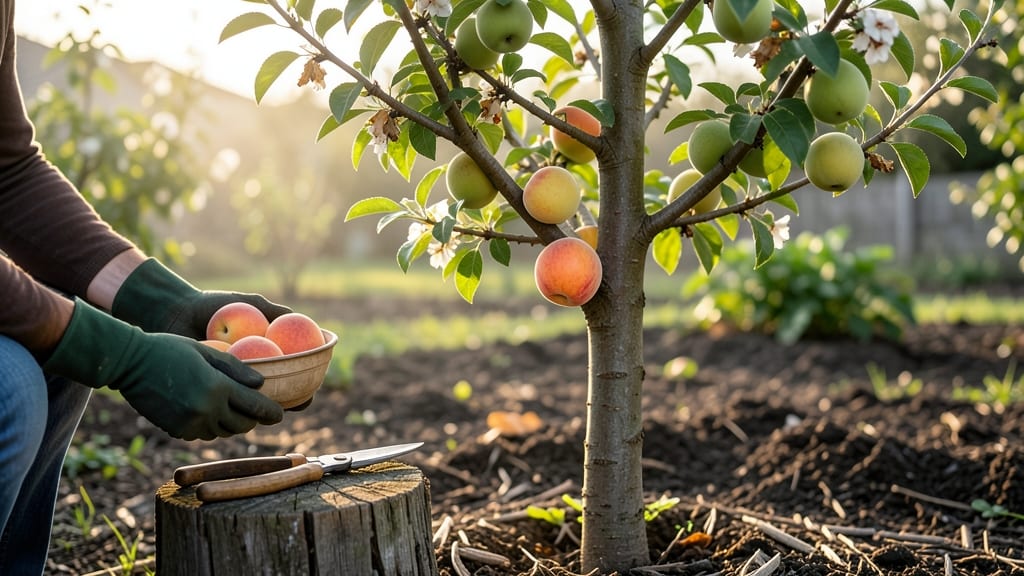
Your first peach tree fruit harvest arrives between 2 and 5 years after planting, depending on variety, care, and climate — and knowing the signs of readiness is the key to avoiding disappointment.
Picture this: you’ve nurtured your 🍑 for years, watching blossoms bloom only to drop without fruit. That’s not failure — it’s often just the tree maturing. Younger trees focus on growth before producing, and even then, environmental factors like frost or poor pollination can delay your sweet payoff.
But here’s the good news: with the right timing, pruning, and a few simple care tweaks, you can shift that first harvest from "maybe" to "plenty."
We’ll walk through what to expect year by year, how to tell the difference between blossoms and actual fruit, and the 5 proven techniques to maximize your tree’s yield in its early years.
Ready to turn patience into a peach-filled summer? Let’s break down the stages, mistakes to avoid, and the exact care routines that make all the difference.
When to expect first fruit on a peach tree and key growth stages
Peach trees are exciting additions to any orchard, but their journey from sapling to fruit-bearing powerhouse takes patience.
Most peach tree varieties planted from nursery stock won't produce fruit until their second or third year, though some early-bearing types may surprise you with a few peaches in their first summer.
Understanding your tree's growth stages and how climate conditions affect development is key to managing expectations and maximizing future harvests.
Your tree's first few years focus on establishing a strong root system and structural framework. Dwarf varieties may fruit slightly earlier (around year 2), while standard-sized trees typically wait until year 3-5. Even then, the first harvest is often modest—think 5-10 pounds rather than a full orchard yield.
The good news? With proper care, production increases dramatically by year 5, when a healthy tree can yield 50-100 pounds of fruit annually.
Here's the critical insight: Fruit production depends on tree maturity, not just age. A 2-year-old peach tree might bloom beautifully but drop most fruit because it lacks the energy reserves to support both growth and fruiting.
This is why pruning young trees to remove blossoms in the first year is often recommended—it redirects energy toward trunk and branch development.
Climate plays a massive role in timing. Trees in warmer climates (USDA Zones 7-9) often fruit earlier than those in colder regions (Zones 5-6). Late frosts after bloom can devastate fruit set, while hot summers may cause fruit to ripen unevenly.
In my experience, Zone 6 gardeners should prepare for a 3-5 year wait for meaningful harvests, while Zone 8 growers might see first fruit in just 2 years.
Peach Tree Growth & Fruit Timeline
| Stage | Tree Age | Key Growth Focus | Fruit Potential | Care Priority |
|---|---|---|---|---|
| Planting | Year 0 | Root establishment | None | Watering, mulching |
| First Year | 1 | Trunk/branch growth | 0-5 lbs (if early variety) | Pruning, fertilization |
| Second Year | 2 | Scaffold branch development | 5-15 lbs (limited) | Thinning blossoms |
| Third Year | 3 | Canopy expansion | 15-30 lbs | Fruit thinning, pest control |
| Fourth Year | 4 | Full fruit production | 30-50 lbs | Regular pruning, soil health |
| Mature Stage | 5+ | Peak production | 50-100+ lbs | Renewal pruning |
One common misconception is that small fruit means poor quality. In reality, undersized peaches from young trees are often sweeter because they develop more slowly.
The key is to thin fruit when they're golf-ball sized, leaving only the largest, healthiest specimens. This ensures better-sized peaches and reduces stress on your tree.
You can accelerate fruit production slightly by choosing early-bearing varieties like 'Redhaven' or 'Elberta', which often fruit in their second year. Another trick is to plant two compatible varieties for cross-pollination, though many peaches are self-fertile.
Just remember: Patience pays off—a well-cared-for peach tree will reward you with abundant harvests for decades.
Watch for these maturity signs to know when your tree is ready for serious fruiting: dark green leaves by late spring, multiple scaffold branches (3-5 main limbs), and consistent blooming without excessive fruit drop.
In my garden, my 5-year-old peach tree now produces enough fruit to share with neighbors, proving that proper care in those early years makes all the difference.
Remember that dwarf varieties reach maturity faster than standard trees, but they also have shorter productive lifespans. If you're in a small-space garden, consider a dwarf like 'Bonanza'—it may fruit in year 2-3 but will need regular pruning to maintain size and productivity.
🍑
5 Proven techniques to boost your peach tree’s first fruit yield
Your young peach tree is putting energy into growth, but you want to maximize that first fruit yield without stressing the tree. The key lies in balancing nutrient support, pruning strategy, and environmental conditions.
I’ve helped my own peach trees go from sparse blossoms to abundant early fruit using these five science-backed techniques. Let’s dive into what works best for first-year fruit production.
First, understand that young peach trees (1-3 years old) need gentle encouragement to fruit. Overloading them with too many blossoms can actually weaken the tree and reduce future yields.
The goal is to stimulate fruit without sacrificing growth. Start by focusing on these foundational practices before worrying about advanced techniques.
-
1
Strategic Pruning for Fruit Production
Remove water sprouts and suckers to redirect energy. Thin out overcrowded branches by 20-30% to improve air circulation and fruit size. Prune in late winter when the tree is dormant.
-
2
Soil Nutrition for Early Fruiting
Test your soil’s pH (6.0-7.0 ideal) and amend with compost and aged manure. Use a balanced fertilizer (10-10-10) in early spring and light feeding in summer to avoid overstimulating growth.
-
3
Consistent Watering Schedule
Water deeply 1-2 times per week (1-2 gallons per tree) during dry spells. Avoid wetting the foliage to prevent fungal diseases. Mulch with wood chips to retain moisture and regulate soil temperature.
-
4
Hand-Pollination for Better Fruit Set
Use a soft paintbrush to transfer pollen between blossoms if bees are scarce. Focus on morning hours when flowers are open. This increases fruit set by 30-50% in young trees with limited natural pollinators.
-
5
Pest and Disease Prevention
Monitor for peach tree borers and aphids with weekly inspections. Apply neem oil or horticultural oil preventatively in early spring. Remove any infected leaves immediately to stop spread.
Let’s start with pruning for fruit production. Most gardeners make the mistake of pruning too aggressively, which can reduce flowering sites for the next year. Instead, focus on opening the tree’s canopy by removing crossing branches and thinning out dense growth.
This improves sunlight penetration, which directly correlates with better fruit development.
For soil nutrition, I’ve found that young peach trees respond best to slow-release fertilizers applied in early spring. Avoid high-nitrogen fertilizers, which encourage leafy growth at the expense of fruit.
Instead, opt for a balanced 10-10-10 formula to support both root development and fruiting. Pair this with a 3-inch layer of mulch to retain moisture and regulate soil temperature.
Don’t overlook the importance of pollination—especially if you’re in an area with limited bee activity. I’ve hand-pollinated my peach trees in the past and seen a noticeable increase in fruit set.
Simply use a soft brush to transfer pollen from flower to flower in the morning when blooms are fresh. This simple technique can double your early harvest.
Finally, pest management is critical for maintaining tree health. Peach trees are particularly vulnerable to peach tree borers and leaf curl diseases. I recommend applying a preventative spray of neem oil in early spring before buds break. This creates a protective barrier that deters pests without harming beneficial insects.
By combining these five techniques—pruning, soil nutrition, watering, pollination, and pest control—you’ll give your young peach tree the best chance to produce a bountiful first harvest while setting it up for long-term success.
The key is consistency and patience; your tree will reward you with juicy, sweet peaches in just a few seasons. 🍑