
Blooming
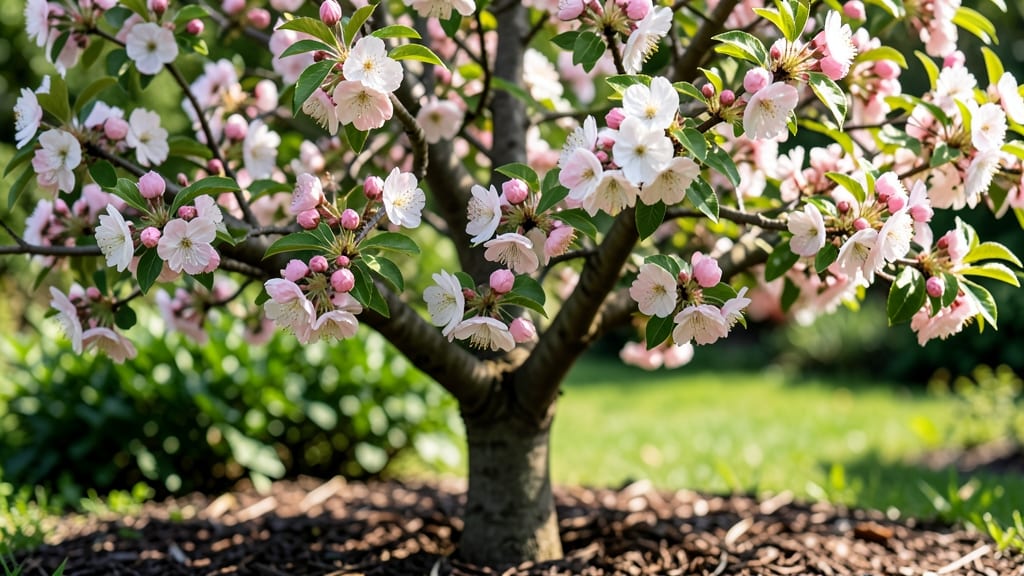
Peach blossoms burst into pink-and-white glory for just 5-10 days each spring—your window to witness this fleeting spectacle. 🌸 I still remember the first time I saw my backyard tree explode with color, bees buzzing like a hive had moved in overnight.
Timing matters more than you'd think: bloom period varies wildly by variety, climate, and even last year's growing conditions.
In most regions, peach trees bloom between late March and early May, but zone 5 gardeners brace for frost risks that can wipe out flowers before pollination. Southern growers might see blooms as early as February, while Pacific Northwest trees often wait until May.
The key to maximizing fruit set? Watch for 90% of blossoms opening—that's your cue to protect against late frosts with frost cloth or water sprinklers.
This short window demands action: prune last year's growth before buds swell, scout for peach tree borers, and ensure proper watering to support the energy-intensive blooming process. A well-timed pruning opens the canopy to sunlight, while proper nutrition (especially nitrogen) keeps flowers abundant.
Even a slight delay in blooming could signal stress from drought or poor soil—something I learned the hard way after a disappointing harvest.
Extend the bloom period by choosing late-blooming varieties like 'Redhaven' or 'Elberta', and protect your tree from pests like aphids that can stunt flower development. The payoff?
A bounty of juicy peaches later in the season—and the sheer joy of watching your tree transform from bare branches to a fragrant cloud of blossoms. Here's how to make the most of this magical time.
📚 In This Guide
- What you need
- Instructions
- Tips and common mistakes
- Wrapping up and next steps
What you need
- ● Peach tree (dwarf or standard): Choose a variety suited to your climate (e.g., Elberta, Redhaven, or J.H. Hale). Ensure it’s disease-resistant for long-term blooms!
- ● Well-draining soil: Mix 3 parts native soil with 1 part compost (or aged manure) for optimal root health.
- ● Pruning tools: Bypass pruners (for small branches)
- ● Loppers (for thicker branches, up to 1.5 inches)
- ● Hand saw (for stubborn, larger limbs)
- ● Fertilizer: Use a balanced, slow-release fertilizer (e.g., 10-10-10 or 8-3-9) in early spring before blooms appear.
- ● Mulch: 2-3 inches of organic mulch (wood chips or straw) to retain moisture and regulate soil temperature.
- ● Watering can or hose: With a gentle spray nozzle to avoid damaging blossoms.
- ● Native wildflowers: Plant pollinator favorites like bee balm, lavender, or black-eyed Susans nearby for a continuous bloom buffet.
- ● Birdhouses or bat boxes: Encourage natural pest control with 1-2 birdhouses or a bat box mounted nearby.
- ● Pesticide-free zone: Skip chemical sprays during bloom time—opt for neem oil or soapy water sprays for pests after pollination.
- ● Blossom-viewing bench or chair: Because nothing beats sipping tea while admiring your pink paradise! 🍵
Instructions for maximizing your peach tree blossom season
Here's how to coax the most stunning, pollinator-friendly bloom from your peach tree every spring.
☀️ Step 1: Prune for Light and Airflow in Late Winter
Break out your pruning shears in late winter (just before buds swell) to shape your tree for maximum bloom. Remove dead, crossing, or inward-growing branches first—these steal energy from blossoms. I always cut back to an outward-facing bud to encourage new growth that will bear fruit later. Aim to open the canopy so sunlight reaches all sides of the tree; peach blossoms need full sun to thrive.
Make cuts just above a leaf bud or shoot, never leaving stubs. You'll see the tree's structure more clearly when branches are bare. Thin out overcrowded areas by removing every other branch—this prevents fungal diseases that can ruin blossoms. After pruning, clean your tools with rubbing alcohol to prevent spreading bacterial canker.
🌱 Step 2: Apply Late Winter Fertilizer for Bloom Boost
Spread high-nitrogen fertilizer (like 10-10-10) around the tree's drip line in early March—just as buds begin to swell. Work it into the top 2-3 inches of soil. Peach trees need extra nitrogen in early spring to fuel blossom production, but avoid heavy applications later in the season that encourage leafy growth over fruit. Water deeply after applying to help nutrients penetrate the soil.
Here's the thing—don't overdo it. Too much fertilizer burns roots and delays blooming. Use about ½ pound per inch of trunk diameter. For a young tree, that's roughly 1 cup spread evenly. You'll know it's working when you see tight, healthy buds forming along branches by mid-April.
💧 Step 3: Water Deeply During Bud Development
Start deep watering when buds first appear (usually late March to early April). Water once a week to a depth of 12-18 inches—this encourages deep root growth that supports heavy blossoms. Use a soaker hose or drip irrigation to keep water at the base; wet foliage invites fungal diseases that can destroy blossoms. You'll see the soil 1-2 inches down remain moist but not soggy.
Watch for bud break—when the tight buds begin to swell and show color. This is your signal to reduce watering slightly (every 10-14 days) to prevent blossom rot. If your area gets less than 1 inch of rain weekly, supplement with water. Mulch around the base with 2-3 inches of organic mulch to retain moisture and regulate soil temperature.
⏰ Step 4: Protect Blossoms from Late Frosts
Peach blossoms are extremely frost-sensitive—they'll shatter if temperatures drop below 28°F after opening. Monitor your local frost forecast and be ready to act. If frost is predicted within 48 hours of bloom, cover the tree with frost cloth or lightweight row covers the night before. Secure edges tightly to prevent cold air from seeping in.
Here's what I do: I drape the cloth loosely over the tree (don't press it against blossoms) and weigh down the edges with bricks. Remove covers immediately after frost passes—trapped heat can damage blossoms just as much as cold. You'll know you've done it right when blossoms remain firm and upright after morning inspections.
🐝 Step 5: Support Pollinators During Bloom
Peach trees rely on bees and other pollinators to set fruit. Plant early-blooming pollinator-friendly flowers like crabapple, forsythia, or crocus near your tree to attract them. Avoid pesticides during bloom—even "bee-safe" sprays can harm beneficial insects. I like to place shallow water dishes with pebbles around the base to give pollinators a drink.
You'll see the difference when bees actively buzz around blossoms. A well-pollinated tree will have plump, green peaches forming within 6-8 weeks of bloom. If you notice few bees, hand-pollinate by gently shaking branches on calm days to release pollen. This mimics natural wind pollination and gives your tree a second chance.
Tips & tricks for perfect peach tree blossoms
Between us, these simple tricks will help you turn your peach tree into a springtime showstopper that pollinators will love.
Pruning Precision: In Step 1, when you're pruning, look for branches that grow at a 45-degree angle or higher—they'll produce the most blossoms. I always make my cuts at a slight downward angle to prevent water from pooling and causing rot. And here's what nobody tells you—remove any branches that rub against each other during windy days. That friction creates tiny wounds where fungal spores can enter, ruining your blossoms before they even open.
Fertilizer Timing: The early March application in Step 2 is your golden window—any earlier and the fertilizer won't be available when buds need it most, any later and you'll encourage leafy growth instead of blossoms. I've learned this the hard way after seeing trees with beautiful leaves but no fruit! For that 1 cup measurement on young trees, use a kitchen scale to be precise—eyeballing can lead to uneven distribution. Spread it in a donut shape around the trunk, avoiding direct contact with the bark.
Frost Protection Strategy: When you're covering your tree in Step 4, don't wait until frost is already in the forecast—act at the first warning of 28°F or below. I keep my frost cloth ready to go by early March, stored in a dry place near my gardening tools. Pro tip: If you don't have bricks, use large rocks or even snowbags to weigh down the edges. And here's the thing—if your tree is already in bloom when frost hits, the flowers closest to the trunk are usually the most protected because they're lower to the ground and benefit from the tree's natural heat.
Pollinator Partnership: For Step 5, consider planting a small patch of clover near your tree—it's a bee magnet and blooms early in the season. I've noticed that bees seem to prefer trees that have companion plants with similar bloom times. Also, avoid planting anything with strong fragrances near your peach tree—some scents can actually repel pollinators. When placing those water dishes, use smooth pebbles instead of rough ones so bees can land safely without getting stuck.
Pro Tips for Peach Tree Blossom Time
- Between us, these simple tricks will help you turn your peach tree into a springtime showstopper that pollinators will love.
- Pruning Precision: In Step 1, when you're pruning, look for branches that grow at a 45-degree angle or higher—they'll produce the most blossoms.
- Fertilizer Timing: The early March application in Step 2 is your golden window—any earlier and the fertilizer won't be available when buds need it most, any later and you'll encourage leafy growth instead of blossoms.
Frequently asked questions
Got questions about peach tree blossoms? You’re not alone! Here are answers to the most common queries from gardeners and nature lovers alike.
When is the best time to plant a peach tree for optimal blossoms?
The ideal time to plant a peach tree is late winter or early spring—just before buds swell but before blossoms appear. This gives roots time to establish before the tree focuses on flowering and fruiting. Avoid planting in fall, as cold weather can stress young trees.
How long do peach tree blossoms last, and what attracts pollinators?
Peach blossoms typically last 7–10 days, though timing varies by climate. To attract pollinators like bees and butterflies, plant native flowers nearby (e.g., clover, lavender) and avoid pesticides. Early morning is the best time to spot bees at work—their buzzing is the soundtrack of spring!
Why aren’t my peach tree blossoms opening, or are they falling off?
Blossoms may fail to open or drop due to cold snaps, frost, or poor pollination. If temperatures dip below 30°F (-1°C) during bloom, flowers can freeze. For pollination issues, hand-pollinate with a paintbrush or plant companion trees (like almonds) nearby. Patience helps!
Can I extend peach blossom season with care?
While you can’t lengthen the natural bloom period, you can maximize enjoyment by:
- Choosing early-, mid-, and late-blooming varieties for staggered displays.
- Pruning in late winter to improve airflow and sunlight.
- Avoiding heavy nitrogen fertilizer, which can reduce flowering.
Are there peach tree alternatives for shorter growing seasons?
If your climate is too short for traditional peaches, try:
- Nectarine trees (thinner skin, faster ripening).
- Plum trees (e.g., Santa Rosa plums, which bloom earlier).
- Dwarf varieties (like ‘Bonanza’ peaches) for containers or small yards.
Wrapping up and next steps
Peach tree blossom time isn’t just a fleeting burst of pink and white—it’s a celebration of nature’s harmony, where every petal plays a role in sustaining pollinators and future harvests.
Whether you’re a gardener, a nature lover, or simply someone who adores spring’s magic, this season reminds us to slow down and savor the small wonders around us. 🌸
Ready to dive deeper? Plan a visit to a local orchard during peak bloom, or start your own peach tree to welcome bees, butterflies, and the joy of spring into your backyard. The next harvest—and the pollinators—will thank you!