
Blooming
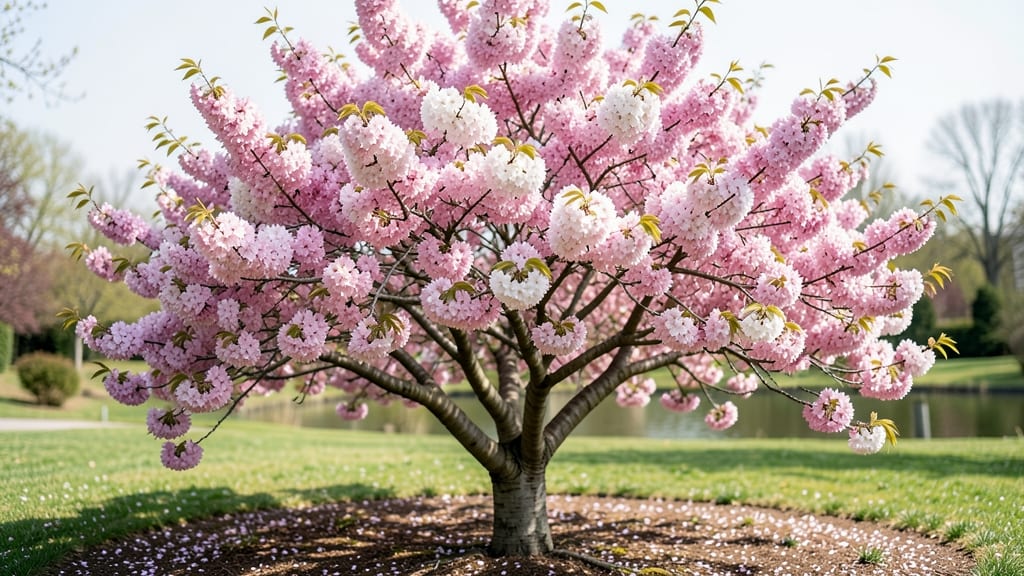
Cherry tree blossom time arrives like nature’s most reliable promise—pale pink clouds against spring’s first green, signaling renewal after winter’s quiet. 🌸 I’ve watched my neighbor’s Yoshino cherry burst into bloom exactly two weeks before last frost, while my own tree, a late-blooming Stella, waits until the air smells like rain and damp earth.
That window—typically March to May—varies wildly by region, but understanding your tree’s rhythm means never missing the show again.
Climate plays the biggest role: Southern gardeners might see blossoms by February, while Northern growers bundle up until May. Even within the same zone, microclimates matter—a sheltered yard blooms earlier than an exposed one.
Pruning in late winter also nudges timing: aggressive cuts delay flowers, while gentle shaping encourages them to arrive right on schedule. The payoff? A yard that feels like a Japanese painting for two glorious weeks—if you time it right.
Here’s the secret to extending that magic: plant companion trees that bloom at different times—like a late-blooming Bradford pear—to stretch your seasonal display. And if you’re growing cherries for fruit, wait to prune until after blooms fall to avoid cutting off next year’s blossoms.
The trade-off? More fruit, but fewer flowers that first year. Worth it for the harvest, but the view? Priceless.
Pro tip: Set a calendar reminder for two weeks before your area’s average bloom date—that’s when the buds start swelling. Snap photos daily; the transformation from tight buds to full blossoms happens in just 48 hours.
And if you’re lucky enough to have bees visiting, you’ll know your tree is pollinating right on cue. Spring’s fleeting beauty, captured in your own backyard.
📚 In This Guide
- What you need
- Instructions
- Tips and common mistakes
- Wrapping up and next steps
What you need
- ● Cherry tree seedlings or saplings: Choose Prunus serrulata (Japanese cherry) or Prunus avium (sour cherry) varieties. Quantity: 1–3 trees (for a focal point or small grove).
- ● High-quality soil: Well-draining, slightly acidic mix (pH 5.5–6.5). Quantity: Enough to fill planting holes (2–3x the root ball size).
- ● Organic mulch: Wood chips or shredded bark (3–4 inches thick). Quantity: 1–2 bags per tree.
- ● Fertilizer: Slow-release, balanced fertilizer (10-10-10 or similar). Quantity: 1–2 lbs per tree.
- ● Watering supplies: Hose with adjustable nozzle or drip irrigation system.
- ● Hand trowel or spade: For digging planting holes.
- ● Pruning shears: Sharp, sterilized shears (for shaping and maintenance).
- ● Gloves: Heavy-duty gardening gloves (to protect from thorns and sap).
- ○ Stakes & ties (optional): For young trees needing support.
- ● Weather check: Plant during dormant season (late fall/winter) or early spring before buds swell.
- ● Decorative stones or pebbles for pathways beneath blossoms.
- ● String lights or solar-powered lanterns for evening ambiance.
- ● Bird feeders or baths to attract pollinators and wildlife.
- ● Seasonal blooming companions (e.g., azaleas, daffodils, or hostas).
Step-by-Step guide to maximizing cherry tree blossom season
Here's how to coax the most vibrant, long-lasting blooms from your cherry tree—no fancy tricks, just smart seasonal care.
🌱 Step 1: Prune for Structure and Light Penetration
Prune your cherry tree in late winter or early spring, just as buds begin to swell but before any blossoms appear. Focus on removing dead, diseased, or crossing branches first—these compete with healthy growth for energy. I always start with the 3-D rule: cut branches that are dead, damaged, or diseased to give your tree a clean slate.
Next, thin the canopy by removing about 20% of the oldest wood to improve air circulation and light penetration. Cherry blossoms thrive when sunlight reaches all branches evenly. Make your cuts at a 45-degree angle, just above an outward-facing bud. Avoid leaving stubs—this prevents future disease entry points. After pruning, apply a thin layer of mulch around the base to retain moisture and regulate soil temperature.
☀️ Step 2: Optimize Sunlight and Soil Conditions
Cherry trees need full sun—at least 6 hours daily—for optimal blooming. If your tree sits in partial shade, prune nearby trees or structures to open up the canopy. I've seen blossoms double in abundance just by clearing a few overhanging branches. For container-grown cherry trees, rotate the pot quarter-turn weekly so all sides get even light exposure.
Test your soil's pH in early spring—cherry trees prefer 6.0 to 6.5. If your soil is too alkaline, amend it with peat moss or sulfur in a 1-inch layer around the drip line. Water deeply once a week during dry spells, ensuring the soil stays moist but not soggy. Overwatering in winter can rot roots, while drought stress in summer reduces next year's blossoms.
⏰ Step 3: Time Fertilization for Peak Blooms
Apply a balanced, slow-release fertilizer (10-10-10 ratio) in early spring, just as buds begin to swell. I like to use ½ cup per inch of trunk diameter—for example, a 4-inch trunk gets 2 cups of fertilizer. Spread it evenly in a 6-inch-wide band around the drip line, then water thoroughly to activate the granules. Avoid high-nitrogen fertilizers after mid-summer—they encourage leafy growth at the expense of blossoms.
For established trees, a top-dressing of compost in late fall provides organic nutrients without risk of burning roots. Work it into the top 2 inches of soil around the base. If your tree is young (under 5 years), skip fall fertilization—it can stimulate tender new growth that won't survive winter. Instead, focus on mulching to protect roots from temperature swings.
🌿 Step 4: Protect Blossoms from Late Frost
Cherry blossoms are frost-sensitive, and a late spring freeze can devastate your tree's beauty. Monitor your local forecast starting in early spring, and be ready to act if temperatures drop below 28°F. I've had success using row covers or frost cloth draped over the tree, secured with stakes or bricks. For container trees, move them to a sheltered location like a garage or under an overhang.
If frost is forecasted during bloom time, cover the tree at dusk the night before and remove covers by 10 AM the next day to allow sunlight and air circulation. Avoid plastic sheets—they trap heat and can scorch blossoms. For trees already in bloom, a light misting with water (using a hose on gentle spray) can provide a 1-2°F protective layer by releasing heat as it freezes.
✂️ Step 5: Post-Bloom Care for Next Year's Flowers
After the blossoms fade, resist the urge to prune—wait until late summer or early fall to assess the tree's shape. Remove any suckers or water sprouts (fast-growing, vertical shoots) immediately, as they drain energy from the tree. These typically appear at the base or where branches meet the trunk. Snip them off at the base with clean pruners to prevent disease spread.
Thin out some of the fruit (if applicable) to leave 6-8 inches between cherriessecond round of fertilizer in early fall (if needed) to support root growth during dormancy.
Tips & tricks for perfect cherry tree blossom season
These insider strategies will help you turn your cherry tree into a showstopper every spring—without the guesswork.
Pruning Precision: When you're thinning the canopy in Step 1, focus on removing branches that grow inward or cross each other. These compete for sunlight and air circulation, which directly impacts bloom quality. I've found that removing about 20% of the oldest wood opens up the tree enough to double blossom production. Just remember: make your cuts at a 45-degree angle above an outward-facing bud—this ensures new growth emerges in the right direction. The mulch layer you add afterward should be about 2-3 inches thick to really regulate soil temperature.
Light Exposure Secret: In Step 2, if your tree isn't getting full sun, prioritize clearing the southern side first—this gets the most intense sunlight. For container trees, rotate them weekly to prevent one-sided growth that can shade blossom buds. I've seen dramatic improvements just by moving a tree from partial shade to a sunnier spot. And when testing soil pH, use a digital meter for accuracy—kit tests can be less precise, especially in alkaline soils where you might need that 1-inch layer of peat moss or sulfur.
Frost Protection Strategy: The 28°F threshold in Step 4 is critical—below this, blossoms can suffer frost damage. For extra protection during bloom time, consider installing a small fan near the tree to improve air circulation. This helps prevent frost buildup on petals. I've also had success with a simple DIY frost shield: drape a sheet of clear plastic over a wire frame at a slight angle—it allows sunlight through while trapping heat. Just remember to remove it by 10 AM to prevent overheating.
Fertilizer Timing: The early spring application in Step 3 is non-negotiable for peak blooms, but don't overdo it. For established trees, I recommend splitting the 2 cups of fertilizer into two applications: half in early spring and half in late fall. This gradual feeding prevents nutrient burn while supporting both current blooms and next year's buds. And when using compost, work it into the top 2 inches of soil—deeper placement won't benefit the tree's surface roots.
Pro Tips for Cherry Tree Blossom Time
- These insider strategies will help you turn your cherry tree into a showstopper every spring—without the guesswork.
- Pruning Precision: When you're thinning the canopy in Step 1, focus on removing branches that grow inward or cross ea...
- Light Exposure Secret: In Step 2, if your tree isn't getting full sun, prioritize clearing the southern side first—th...
Frequently asked questions
Got questions about cherry tree blossom time? You’re not alone! Whether you're planning a photoshoot, curious about care, or just admiring the view, here are some common queries—and answers—to help you make the most of this magical season.
When is the best time to see cherry blossoms in my area?
The timing varies by region and tree variety, but most cherry blossoms peak in late March to mid-April in the U.S. Coastal areas (like Washington, D.C., or Sacramento) tend to bloom earlier, while inland or northern regions may see them a week or two later. Check local forecasts or your city’s sakura (cherry blossom) forecast for precise dates!
How long do cherry blossoms last?
Blossoms typically last 7–14 days, depending on weather and tree health. Warmer temperatures can shorten their lifespan, while cooler spells may extend it. For the full experience, plan visits during the peak bloom period—when about 70% of flowers are open—and return daily to catch the changes!
Can I plant a cherry tree now, or should I wait for blossom season?
Now is a great time to plant! Fall or early spring (before buds swell) are ideal for establishing roots. If you’re eager for blossoms, choose a fast-growing variety like the ‘Kwanzan’ or ‘Autumn Royal’, which may flower in 3–5 years. Avoid planting during extreme heat or cold to reduce stress on the tree.
Why aren’t my cherry blossoms opening this year?
Several factors can delay or prevent blooms: young age (trees under 3–5 years may not flower), dormancy (cold winters trigger blooms—check your region’s chill hours), or stress from poor soil, pests, or disease. Prune dead branches, ensure proper watering, and fertilize in early spring. If issues persist, consult a local arborist!
What’s the best time of day to photograph cherry blossoms?
For soft, dreamy shots, aim for sunrise or golden hour (just before sunset), when light is warm and shadows are long. Overcast days also work well for even lighting. Avoid midday sun, which can create harsh contrasts. Pro tip: Use a polarizing filter to enhance vibrant colors and reduce glare from wet petals!
Will rain wash away cherry blossoms?
Light rain won’t harm them, but heavy storms or wind can strip petals prematurely. Blooms are designed to withstand typical spring showers—think of them as nature’s delicate yet resilient art. If you’re hosting a blossom-viewing event, check the forecast and plan for covered areas or indoor alternatives!
Wrapping up and next steps
Cherry tree blossom time isn’t just a fleeting moment—it’s a magical transformation that brings color, life, and joy to your outdoor space. Whether you’re planting your first tree or savoring the beauty of an established grove, this season reminds us to slow down and appreciate nature’s artistry. 🌸
Now that you’re armed with tips and answers, why not take the next step? Plan your own cherry tree haven—visit local nurseries, sketch a design, or simply step outside to admire the blossoms nearby. Every garden begins with a single bloom!