
Planting
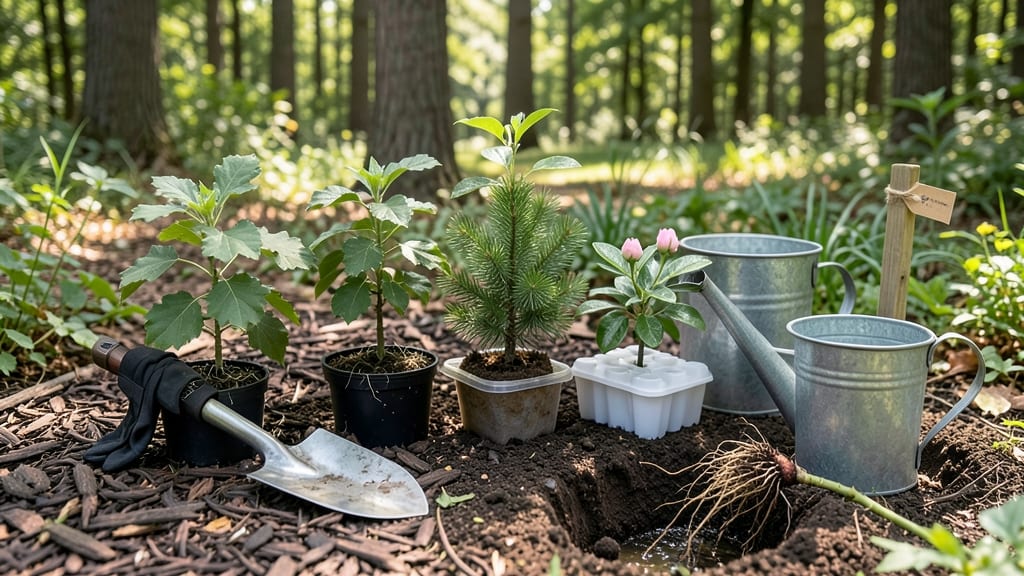
Planting tree seedlings wrong can mean years of stunted growth—or worse, a dead plant by next summer. 🌱 I’ve lost count of the seedlings I’ve buried too deep, too shallow, or without proper support, only to watch them struggle.
But there’s a foolproof method that works for every type of tree, whether it’s a delicate oak sapling or a tough pine seedling.
The secret starts with the hole—dig it twice as wide as the root ball but only as deep as the container. Loosen the roots gently (never force them), then place the seedling so the top of the root ball sits just above ground level.
For young trees, a sturdy stake and soft tie keep them from toppling in wind, while deeper-rooted species like maples need no support at all.
After planting, water deeply—enough to settle the soil completely—and mulch around the base to lock in moisture. Within weeks, you’ll see new leaves unfurling, and by next spring, your seedling will be stronger than store-bought saplings because it’s already adapted to your soil and climate. No guesswork, just growth.
This method works year-round, though spring and fall give seedlings the best start. For conifers, add a layer of pine needles to the mulch; for deciduous trees, a mix of compost and wood chips keeps roots cool.
The key is patience—your tree’s first year sets the stage for decades of shade, fruit, or beauty. Let’s get those seedlings in the ground right.
📚 In This Guide
- What you need
- Instructions
- Tips and common mistakes
- Wrapping up and next steps
What you need
- ● Tree seedlings: 1–5 (depending on your space and goals). Choose healthy, disease-free saplings with strong roots.
- ● Shovel or trowel: A digging shovel (for larger holes) or a hand trowel (for precision with smaller seedlings).
- ● Watering can or hose: With a gentle spray nozzle to avoid damaging roots.
- ● Mulch: 2–4 inches of organic mulch (wood chips, straw, or shredded leaves) to retain moisture and suppress weeds.
- ● Gloves: A pair of durable gardening gloves to protect your hands.
- ● Measuring tape or ruler: To ensure proper planting depth (usually 2–3 times the root ball’s height).
- ○ Stakes (optional but recommended for support): 2–3 bamboo or wooden stakes (1–2 feet tall) per seedling for windy areas.
- ● Tree ties or soft cloth strips: To secure stakes to seedlings without damaging bark.
- ● Compost or fertilizer: A slow-release granular fertilizer or compost to enrich the soil.
- ● Soil tester kit: To check soil pH and nutrient levels (adjust if needed for your tree type).
- ● Pruning shears: For trimming any damaged branches during planting.
- ● Weed barrier fabric: To reduce competition from invasive plants.
- ● Drip irrigation system: For consistent watering, especially in dry climates.
Step-by-step instructions for planting tree seedlings
Here's my battle-tested method for planting seedlings that grow strong from day one.
🌱 Step 1: Prepare the Planting Site
Choose a location with 6+ hours of sunlight daily and space the holes 3-5 times the seedling's root ball diameter apart. Dig holes twice as wide as the root ball but only as deep as the container—never deeper. Loosen the soil at the bottom with a shovel to encourage root spread.
I always test the soil moisture first by squeezing a handful. If it crumbles easily, it's ready. If it sticks together, wait a day or two for it to dry slightly. Amending the soil with compost here gives roots a nutrient boost right away.
🌿 Step 2: Remove Seedlings Gently and Inspect Roots
Water the seedlings 12 hours before planting to reduce transplant shock. Grip the container firmly and tap the sides to loosen the root ball. Slide the seedling out and check for circling roots—if you see them, gently tease them apart with your fingers. This prevents girdling as the tree matures.
Don't let the roots dry out while you work. Keep the root ball moist by occasionally dipping it in water if you're planting multiple seedlings. I like to set them aside on a damp towel while I finish preparing the next hole.
🪴 Step 3: Plant at the Correct Depth and Support
Place the seedling in the hole so the top of the root ball sits 1 inch above ground level. This prevents soil from burying the stem, which can cause rot. Fill the hole halfway with native soil, then water deeply to settle everything. Add a stake 1/3 the height of the seedling now—driving it in later damages roots.
Once the water soaks in, finish filling the hole and mound soil slightly around the base to create a watering well. Press down gently but don't compact the soil. The goal is firm but not dense—roots need air pockets to spread.
☀️ Step 4: Water Immediately and Mulch Properly
Water the seedling deeply right after planting—enough so water drains out the bottom of the hole. This settles the soil and eliminates air pockets. In the first week, water every 2-3 days until the top inch of soil feels moist. Overwatering now causes more problems than underwatering.
Spread 2-3 inches of mulch around the base (but not touching the stem) to retain moisture and regulate soil temperature. I use shredded bark because it breaks down slowly. This layer also suppresses weeds, which compete for water and nutrients.
⏰ Step 5: Monitor and Protect New Growth
Check seedlings daily for the first week, watching for wilting or yellowing leaves. If leaves droop in the afternoon but perk up by morning, the plant is thirsty. Give it another deep watering. If leaves stay wilted, the roots may have struggled during transplant.
Install a protective cage or wrap the stake with tree ties to secure the seedling without restricting growth. Tighten only enough to prevent swaying in wind. I always remove ties after 6-8 weeks to avoid girdling the trunk as it thickens.
Tips & tricks for planting tree seedlings
These small details make all the difference between a struggling seedling and one that thrives from day one.
Site Selection Wisdom: While 6+ hours of sunlight is ideal, don't overlook microclimates in your yard. The north side of a building or under a canopy might get only 4-5 hours—these spots work better for shade-tolerant species like dogwood or serviceberry. I've planted fruit trees in partial shade and they've thrived when matched with the right species.
The 12-Hour Rule: That 12-hour pre-planting watering is your secret weapon against transplant shock. If you forget, give the seedlings a good drink right before removing them from containers. Cold roots handle stress better than dry ones. I keep a bucket of water nearby when planting multiple seedlings to refresh their root balls between holes.
Root Ball Rescue: When you see circling roots in Step 2, don't just cut them—gently separate them with your fingers. If they're tightly bound, soak the root ball in water for 10 minutes first to loosen the soil. This prevents girdling that can strangle your tree as it grows. Think of it like untangling headphones—patience pays off.
Mulch Matters: That 2-3 inch mulch layer isn't just decoration—it's your moisture regulator. For young seedlings, I use a mix of shredded bark and compost (about 50/50) for the first mulching. The compost adds nutrients while the bark breaks down slowly. Just remember to keep it 2 inches away from the stem to prevent rot.
Pro Tips for Plant Tree Seedlings
- These small details make all the difference between a struggling seedling and one that thrives from day one.
- Site Selection Wisdom: While 6+ hours of sunlight is ideal, don't overlook microclimates in your yard. The north side...
- The 12-Hour Rule: That 12-hour pre-planting watering is your secret weapon against transplant shock. If you forget, g...
Frequently asked questions
Got questions about planting tree seedlings? You’re not alone! Here are some of the most common concerns—and straightforward answers—to help you plant with confidence.
What’s the best time of year to plant tree seedlings?
The ideal window is early spring or fall when soil is workable but not frozen. In warmer climates, winter planting can also work if you water consistently. Avoid planting in scorching summer heat—seedlings struggle to establish roots when stressed by drought.
How deep should I plant a tree seedling?
Dig a hole twice as wide as the root ball but no deeper than it was in the container. The top of the root flare (where roots meet the trunk) should sit just above ground level. Planting too deep can suffocate the roots, while too shallow exposes them to drying out.
Do I need to stake my tree seedling?
Only stake if your tree is tall and top-heavy (like willows or young fruit trees) or in a windy area. Use soft ties (like tree straps) to avoid girdling the trunk. Remove stakes after 1–2 years to encourage natural strength. Most small seedlings (under 6 ft) don’t need support!
How often should I water a newly planted seedling?
Water deeply every 2–3 days for the first 2 weeks, then taper to once a week (or more in extreme heat). Aim for 1–2 inches of water per week. Use a soaker hose or drip irrigation to keep roots moist without wasting water.
What should I do if my seedling’s leaves turn yellow?
Yellow leaves often signal overwatering or root rot—check if the soil feels soggy. If roots are mushy, trim affected areas and replant in well-draining soil. Yellowing can also mean nutrient deficiency; try a balanced fertilizer (like 10-10-10) applied lightly to the soil.
Can I plant bare-root seedlings differently than container-grown ones?
Yes! Bare-root seedlings need soaking in water for 1–4 hours before planting to rehydrate roots. Dig a trench slightly wider than the roots, spread them out horizontally, then backfill with soil. Container-grown seedlings go in vertically—no soaking needed!
Wrapping up and next steps
Planting tree seedlings is a rewarding way to contribute to the environment while nurturing life—and you’ve got this! 🌱 By following the right depth, support, and care techniques, your young trees will grow strong and healthy. Start small, stay patient, and watch your green efforts flourish over time.
Ready to take the next step? Research your local climate and soil needs to pick the perfect tree for your space. Then, grab your tools and get planting—your future forest starts today! 🌳✨