
Blooming
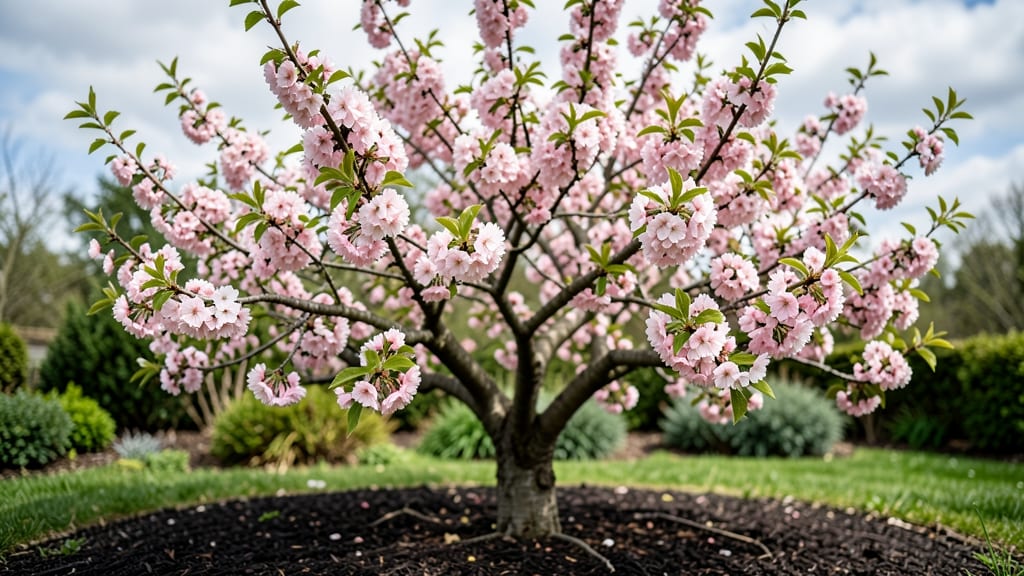
Peach trees bloom in late March to May, but the exact time depends on your climate zone and variety—getting it wrong can mean frost damage or missed harvests.
Picture this: you’ve waited all winter for those delicate 🍑 blossoms to appear, only to wake up to a surprise frost that wipes them out before they even set fruit. It happens more often than you’d think, especially in Zone 6a and colder regions where timing is everything.
Bloom time isn’t just about watching the calendar—it’s about understanding your local microclimate, choosing the right varieties, and knowing when to protect your tree.
Whether you’re in the mild coastal areas of California or the frost-prone Midwest, the right preparation can mean the difference between a bumper crop and a disappointing season.
In this guide, I’ll break down the exact bloom windows by region, share proven strategies to adjust timing for early or late harvests, and walk you through post-bloom care to maximize your peach tree’s potential.
Let’s make sure your tree’s hard work pays off with sweet, juicy fruit all season long.
Peach tree bloom time by USDA climate zones (exact months)
Timing your peach tree's bloom is everything—especially when late-spring frosts threaten to ruin your harvest. USDA climate zones shift bloom windows dramatically, from early April in Zone 9 to late May in Zone 5.
Understanding these variations helps you choose the right peach varieties and protect blossoms when needed. Let’s break down the exact months for each zone, including regional adjustments for frost-prone areas.
Peach trees typically bloom for 7-14 days, but this window can stretch or shrink based on temperature fluctuations and variety selection. Early-blooming varieties like Redhaven may appear in Zone 6 by mid-April, while late bloomers like Elberta might wait until late May in Zone 5.
California’s Mediterranean climate, however, often triggers blooms in February-March, months ahead of northern states.
🚨 Frost risk is the biggest threat—a single 28°F night can destroy blossoms before fruit sets. Gardeners in Zones 5-7 should monitor frost forecasts and prepare protective measures like row covers or smoke generators.
In warmer zones (8-9), blooms arrive earlier, but heat waves can also stress flowers if humidity drops too low.
| USDA Zone | Typical Bloom Window | Early Varieties | Mid Varieties | Late Varieties | Frost Risk Notes |
|---|---|---|---|---|---|
| Zone 5 | Late May - Early June | Relenta (June) | Redhaven (May 25) | Elberta (June 10) | High risk; use row covers |
| Zone 6 | Mid-April - Late May | Flavorcrest (April 15) | Suncrest (May 1) | Halehaven (May 20) | Moderate; monitor forecasts |
| Zone 7 | Early April - Mid-May | Contender (April 1) | Babygold 5 (April 15) | J.H. Hale (May 10) | Low; but late frosts possible |
| Zone 8 | Late March - Early April | Maycrest (March 20) | Springcrest (March 30) | O'Henry (April 10) | Minimal; heat stress risk |
| Zone 9 | February - March | Springtime (Feb 15) | Fantasia (Feb 28) | Redtop (March 15) | None; focus on heat tolerance |
| California (Coastal) | January - February | Springcrest (Jan 10) | O'Henry (Jan 25) | Redhaven (Feb 10) |
How to adjust bloom time for early or late harvestsPeach trees naturally bloom in late April to early May in most USDA Zones 6-8, but late-spring frosts can devastate flowers before they set fruit. The good news? You can shift bloom timing with strategic pruning, variety selection, and frost protection. Whether you want to delay blooms to avoid frost or advance them for an earlier harvest, these techniques work—even for young peach trees still maturing. Start by choosing the right peach tree varieties. Early bloomers like 'Redhaven' or 'Elberta' flower in early April, while late bloomers like 'Contender' or 'Reliance' wait until mid-May. If frost is a recurring issue, late-blooming varieties give your flowers a 2-3 week head start over frost season. For existing trees, pruning and cold protection can fine-tune bloom timing further—here’s how.
For young peach trees (under 3 years old), focus on root development first. Avoid heavy pruning or fertilizer until the tree is established, as premature blooming can exhaust the tree and reduce future yields. Instead, prioritize deep watering and mulching to build a strong root system that supports delayed blooming later. Monitor your local frost dates using the National Weather Service or Old Farmer’s Almanac. In Zone 6, average last frost is April 15, but microclimates (like south-facing slopes) can bloom 1-2 weeks earlier. If your area has a history of late frosts, pair late-blooming varieties with frost cloths for the safest harvest. Remember, adjusting bloom time is a year-round process. Start with variety selection and pruning in summer, then fine-tune with winter care and frost protection. With these strategies, you’ll minimize frost damage and maximize your peach harvest—even in unpredictable climates. 🌱 |